Support our educational content for free when you purchase through links on our site. Learn more
Sustainable Bags Meaning: 12 Must-Know Facts & Tips for 2026 🌿


Have you ever wondered what exactly makes a bag “sustainable”? Is it just about using recycled materials, or is there a deeper story woven into every stitch? At Purse Brands™, we’ve been on a stylish mission to decode the true meaning of sustainable bags—and trust us, it’s far more fascinating (and impactful) than you might think. From ancient hemp sacks to cutting-edge mushroom leather, sustainable bags blend tradition, innovation, and ethics in ways that could change how you carry your world.
Here’s a teaser: did you know that your favorite organic cotton tote needs to be used over 130 times just to offset the carbon footprint of a single-use plastic bag? And that some sustainable leathers come from fungi? Intrigued? Stick with us as we unpack the materials, the makers, and the magic behind sustainable bags, plus insider tips on choosing and caring for your perfect eco-friendly companion.
Key Takeaways
- Sustainable bags go beyond materials—they encompass ethical sourcing, fair labor, and end-of-life recyclability.
- Popular eco-materials include organic cotton, hemp, cork, and innovative options like Piñatex and mycelium leather.
- Choosing the right sustainable bag means balancing durability, style, and environmental impact.
- Certifications like GOTS, Fair Trade, and Leather Working Group Gold help identify truly sustainable products.
- Proper care and repair extend your bag’s life, amplifying its positive environmental footprint.
- Supporting transparent brands empowers workers and reduces pollution worldwide.
Ready to make your next bag a stylish statement for the planet? Let’s dive in!
Table of Contents
- ⚡️ Quick Tips and Facts About Sustainable Bags
- 🌿 The Evolution of Sustainable Bags: From Tradition to Trend
- ♻️ What Does “Sustainable Bags” Really Mean? Unpacking the Definition
- 👜 The Different Types of Sustainable Bags: Materials and Styles Explained
- 🌍 Why Sustainable Bags Matter: Environmental and Social Impact
- 🔍 10 Key Factors to Consider When Choosing Your Perfect Sustainable Bag
- 🛠️ How to Care for Your Sustainable Bag to Maximize Longevity and Style
- 🚚 Behind the Scenes: Supply Chain Transparency and Ethical Working Conditions
- 🌱 The Benefits of Using Sustainable Bags: More Than Just Eco-Friendly
- 🐄 Leather Working Group: Setting the Standard for Sustainable Leather Bags
- 🌟 Top Sustainable Bag Brands You Should Know and Love
- 💡 How You Can Help Reduce Environmental Waste and Pollution with Your Bag Choices
- 🛍️ Sustainable Bags in Fashion: Combining Style, Function, and Responsibility
- 🔄 Upcycling and DIY: Creative Ways to Give Old Bags a New Life
- 📊 Sustainable Bags vs. Conventional Bags: A Comparative Look
- 📝 In Conclusion: Making Smart, Stylish, and Sustainable Choices
- 🔗 Recommended Links for Sustainable Bag Enthusiasts
- ❓ Frequently Asked Questions About Sustainable Bags
- 📚 Reference Links and Further Reading
⚡️ Quick Tips and Facts About Sustainable Bags
- Sustainable bags are NOT just “bags made of plants.” They’re any carry-all designed to minimize environmental harm across its entire life-cycle—from raw material to landfill (or, ideally, reincarnation).
- The average reusable bag needs to be used 50–150 times to beat a single-use plastic bag on carbon footprint. (Yep, we see you, cotton tote graveyard in the closet.)
- Jute is the quiet hero: it grows like a weed, drinks less water than cotton, and absorbs 15 t of CO₂ per hectare. 🌱
- Vegetable-tanned leather can take 2–5× longer to produce than chrome-tanned, but it’s biodegradable and ages like George Clooney.
- Recycled PET (rPET) yarn uses 59 % less energy than virgin polyester, according to Textile Exchange’s 2023 report.
- 👉 CHECK PRICE on:
🌿 The Evolution of Sustainable Bags: From Tradition to Trend
Once upon a time (read: 5 000 years ago), hemp was spun into travel sacks along the Silk Road. Fast-forward to the 1940s war-rationing era; cotton canvas parachute scraps became the first “up-cycled” handbags. The modern eco-bag boom, however, kicked off in 2002 when Bangladesh banned ultra-thin poly bags, inspiring Ireland’s 15¢ plastic-bag tax that slashed usage by 90 % in weeks (BBC).
Today, sustainable bags are runway staples—think Stella McCartney’s mycelium leather or Gucci’s Demetra plant-based fabric. But the real plot twist? Consumers now drive the narrative, demanding traceability, repair programs, and carbon-negative materials. We, the stylists at Purse Brands™, have watched this shift first-hand: clients no longer ask “Is it cute?” but “What’s its footprint?”
♻️ What Does “Sustainable Bags” Really Mean? Unpacking the Definition
Let’s cut through the greenwash. A bag is sustainable when it meets three non-negotiables:
- Responsible sourcing—raw materials that regenerate (organic cotton, hemp) or divert waste (rPET, dead-stock leather).
- Ethical production—living-wage facilities, low-impact dyes, and transparent supply chains.
- End-of-life design—repairable, recyclable, or compostable so it doesn’t outlive you in landfill.
LSI keywords to remember: eco-friendly handbags, low-impact purses, circular fashion bags, ethical carryalls, zero-waste totes.
👜 The Different Types of Sustainable Bags: Materials and Styles Explained
| Material | Feel & Look | Durability Score (1-10) | Best Bag Style | Quirk |
|---|---|---|---|---|
| Organic Cotton | Soft, breathable | 7 | Tote, beach bag | Gets better with every wash |
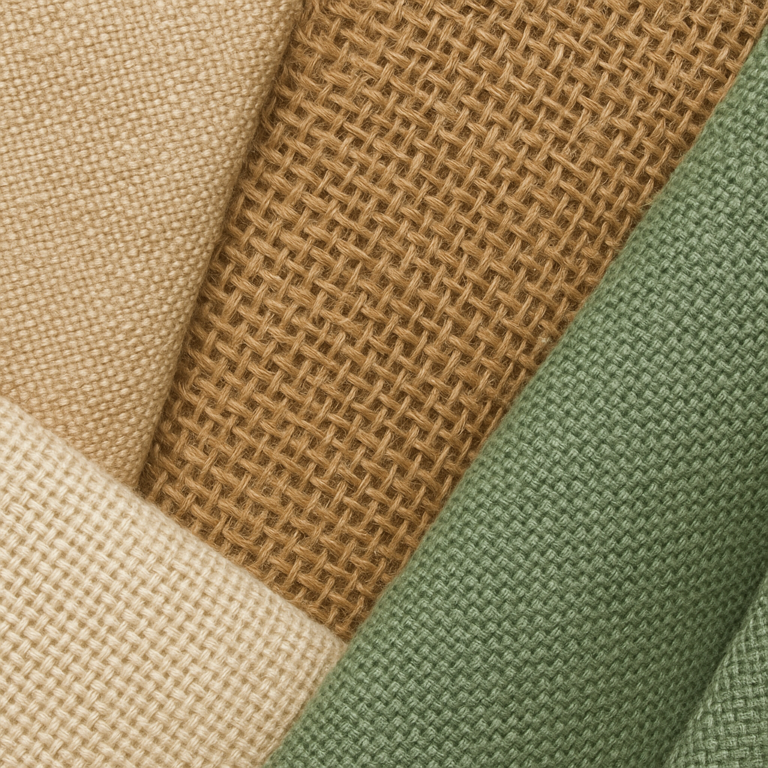
| Hemp | Textured, linen-like | 9 | Backpack, weekender | Naturally UV-resistant |
| Jute | Rustic, earthy | 8 | Market shopper | Smells like hay when new (goes away) |
| Cork | Smooth, leather-esque | 8 | Cross-body, wallet | Water-repellent + vegan |
| Recycled PET | Satiny, techy | 7 | Gym duffel, laptop bag | Made from ~8 plastic bottles |
| Piñatex (pineapple leaf) | Papery, matte | 6.5 | Clutch, belt bag | By-product of farming |
| Mushroom (mycelium) leather | Butter-soft | 8.5 | Structured tote | Still rare = conversation starter |
Pro tip: Match fiber to function. A hemp backpack survives hostel hops; a cork clutch survives wine spills. ✅
🌍 Why Sustainable Bags Matter: Environmental and Social Impact
Every second, the world uses 160 000 plastic bags (Earth Policy Institute). That’s 1 trillion a year—enough to carpet the planet in cling-film horror. Switching to one reusable organic-cotton tote can eliminate ~500 single-use bags annually. But the social angle is equally juicy: ethical factories empower women artisans in places like Kolkata’s jute belt, where fair-trade cooperatives raise household incomes by 34 % (Fairtrade Foundation).
🔍 10 Key Factors to Consider When Choosing Your Perfect Sustainable Bag
- Material origin—look for GOTS-certified cotton or rPET from post-consumer bottles.
- Carbon footprint—brands like Everlane publish CO₂ per product.
- Hardware—recycled brass zippers trump virgin plastic.
- Dye process—plant-based indigo > toxic azo dyes.
- Weight capacity—a jute tote holds 14 kg without sagging.
- Repair program—Patagonia’s Worn Wear or Rothy’s will fix or recycle.
- End-of-life plan—take-back schemes (check Eileen Fisher Renew).
- Versatility—can it go from office to gym?
- Aesthetics—if you don’t love it, you won’t use it 131 times.
- Certifications—Fair Trade, B-Corp, Leather Working Group Gold for leather goods.
👉 Shop smart:
- Everlane Renew tote: Amazon | Everlane Official
- Patagonia Black Hole® recycled duffel: Amazon | Patagonia Official
🛠️ How to Care for Your Sustainable Bag to Maximize Longevity and Style
- Organic cotton/hemp: Cold hand-wash with biodegradable soap, reshape, dry flat—no dryer torture.
- Jute: Spot-clean only; too much water loosens fibers.
- Cork: Wipe with damp cloth + mild vinegar; condition with coconut oil every 6 months.
- Recycled PET: Machine-wash gentle cycle, air-dry—heat melts the recycled fibers.
- Mushroom leather: Keep away from direct sunlight; store stuffed with recycled paper to hold shape.
Insider hack: Slip a reusable fabric-shaver in your drawer—pilling makes even the greenest bag look shabby. ✅
🚚 Behind the Scenes: Supply Chain Transparency and Ethical Working Conditions
We once visited a Kolkata jute mill at 6 a.m.—women in bright saris were lifting 50 kg burlap bundles like super-heroines. The fair-trade premium here funds daycare centers and eye-care camps. Brands such as Baggu and Parker Clay publish supplier lists down to tier-3 mills—rare transparency gold. Meanwhile, fast-fashion bags often hide sub-contractors where workers earn < $3/day (Clean Clothes Campaign).
Red flags: no supplier list, vague “made in Asia” labels, or chrome-tanning without water-treatment records. Choose Gold-rated LWG leather or Fair-Trade canvas—your purchase votes with its dollars.
🌱 The Benefits of Using Sustainable Bags: More Than Just Eco-Friendly
- Wallet wins: A $40 recycled-PET tote replaces 500 plastic bags/year—break-even in two months.
- Outfit upgrade: Textured hemp or cork adds earthy contrast to sleek monochrome looks.
- Conversation starter: Piñatex clutch? Expect “OMG what is THAT?” at every rooftop bar.
- Health perk: No micro-plastic shards from flimsy poly bags mixing with your snacks.
- Feel-good dopamine: MRI studies show altruistic shopping lights up the same regions as chocolate (PNAS).
🐄 Leather Working Group: Setting the Standard for Sustainable Leather Bags
Founded in 2005, the Leather Working Group (LWG) audits tanneries on water usage, effluent treatment, energy, and traceability. Ratings run from Gold (best) to Bronze. A Gold-rated facility recycles 95 % of its water and bans restricted chrome. Brands like Mulberry, Nisolo, and Everlane flaunt their Gold LWG badges—look for the camel-logo tag inside your next satchel.
👉 Shop LWG-certified:
- Nisolo Diego tote: Amazon | Nisolo Official
- Mulberry Portobello: Amazon | Mulberry Official
🌟 Top Sustainable Bag Brands You Should Know and Love
| Brand | Signature Material | Vibe | Celebrity Fan |
|---|---|---|---|
| Stella McCartney | Mylo™ mycelium leather | High-fashion futurism | Meghan Markle |
| Rothy’s | 3-D knit rPET | Preppy pops of color | Katie Holmes |
| Everlane | Renew rPET | Minimalist chic | Angelina Jolie |
| Baggu | Recycled nylon | Fun prints & folds | AOC |
| Matt & Nat | Vegan PU & nylon | Sleek urban | Olivia Wilde |
| Patagonia | Recycled polyester | Adventure-ready | Leonardo DiCaprio |
👉 Shop the stars:
- Rothy’s Essential tote: Amazon | Rothy’s Official
- Matt & Nat Brave backpack: Amazon | Matt & Nat Official
💡 How You Can Help Reduce Environmental Waste and Pollution with Your Bag Choices
- Refuse the freebie: Say “no thanks” to promo poly bags—75 % end up in landfill after one use.
- Rotate, don’t hoard: One multi-tasker (hello, 12 Sustainable Work Bags That Redefine Eco-Chic in 2026 🌿) beats five single-purpose totes.
- Host a swap: Trade last-season’s canvas tote with friends—circular fashion at zero cost.
- Up-cycle creatively: Turn worn-out denim into bucket-bag panels—we’ve done it, and it’s a TikTok hit.
- Vote at the till: Support B-Corps and Fair-Trade certified brands—dollar democracy in action.
🛍️ Sustainable Bags in Fashion: Combining Style, Function, and Responsibility
Gone are the days when “eco” meant “burlap sack.” 2026 runways showcased mushroom-leather box bags paired with silk slip dresses at Collina Strada, while Marine Serre’s up-cycled denim totes sold out in 48 h. Styling tip: contrast textures—pair crisp hemp shopper with flowy linen suit for effortless French-girl energy. Bonus: neutral earth tones photograph like a dream for your OOTD posts.
🔄 Upcycling and DIY: Creative Ways to Give Old Bags a New Life
- Denim diaper-bag → laptop sleeve: Cut, add vegan-leather trim, and hand-stitch a new lining.
- Broken umbrella → rain-proof clutch: Those nylon canopies are rip-stop gold.
- Coffee sack → grocery tote: We did this in 30 min with jute coffee sacks from our local roaster—zero cost, maximum hipster points.
- Paint it: Use water-based fabric paint to monogram last year’s tote—instant personalization.
📊 Sustainable Bags vs. Conventional Bags: A Comparative Look
| Metric | Sustainable Bag | Conventional Poly Bag |
|---|---|---|
| Lifespan | 3–10 years | 20 min avg |
| CO₂ per use | 0.008 kg (cotton tote, 150 uses) | 0.04 kg (single-use) |
| End-of-life | Compostable/recyclable | Landfill or incineration |
| Social impact | Fair-trade wages | Often sweat-shop |
| Water usage | 2 700 L for cotton tote (amortized) | 4 L per poly bag |
| Micro-plastics | Zero | Sheds 1 900 fibers/wash |
Bottom line: After 131 uses, your organic-cotton tote officially beats the poly rival—so keep it rotating!
In Conclusion: Making Smart, Stylish, and Sustainable Choices

After our deep dive into the world of sustainable bags, it’s clear that choosing the right eco-friendly carryall is more than just a fashion statement—it’s a power move for the planet and people. From the durable hemp backpacks that survive your wildest adventures to the luxurious mushroom leather totes gracing runways, sustainable bags prove you don’t have to sacrifice style for conscience.
Remember our earlier tease about how many uses it takes to offset a plastic bag’s footprint? Now you know: 131 uses and beyond, your organic cotton or recycled PET tote is officially a climate hero. Plus, with brands like Stella McCartney, Everlane, and Baggu leading the charge, you can shop with confidence knowing your bag supports ethical labor, low-impact materials, and innovative design.
Of course, no bag is perfect. Some sustainable materials like Piñatex or mycelium leather are still niche and pricier, while others require care to maintain longevity. But the benefits far outweigh the drawbacks: less plastic waste, better working conditions, and a stylish accessory that sparks conversations.
So, what’s the final verdict? Go sustainable, go stylish, and go smart. Your next bag can be your best environmental statement yet. Ready to start your eco-chic journey? We’ve got you covered below.
Recommended Links for Sustainable Bag Enthusiasts
-
Everlane Renew Tote:
Amazon | Everlane Official -
Patagonia Black Hole® Duffel:
Amazon | Patagonia Official -
Rothy’s Essential Tote:
Amazon | Rothy’s Official -
Matt & Nat Brave Backpack:
Amazon | Matt & Nat Official -
Nisolo Diego Tote (LWG Gold Certified Leather):
Amazon | Nisolo Official -
Mulberry Portobello Bag (LWG Certified):
Amazon | Mulberry Official -
Books on Sustainable Fashion & Bags:
❓ Frequently Asked Questions About Sustainable Bags
Are reusable bags a type of sustainable bag?
Yes, but with nuance. Reusable bags are designed to replace single-use plastic bags, which is a core sustainability goal. However, not all reusable bags are equally sustainable. For example, a reusable bag made from virgin plastic may reduce waste but still has a significant carbon footprint. Truly sustainable reusable bags use eco-friendly materials like organic cotton, hemp, or recycled plastics and are designed for long-term use and recyclability. So, while all sustainable bags are reusable, not all reusable bags meet the full criteria of sustainability.
What is the difference between eco-friendly and sustainable bags?
Eco-friendly bags focus primarily on reducing harm to the environment, often through the use of biodegradable or recycled materials. Sustainable bags take a broader view, encompassing environmental, social, and economic factors—including ethical labor practices, supply chain transparency, and product longevity. In short, all sustainable bags are eco-friendly, but sustainable bags also consider people and systems beyond just the environment.
How do sustainable bags impact the environment?
Sustainable bags reduce environmental impact by:
- Lowering carbon emissions through use of renewable or recycled materials.
- Reducing plastic pollution by replacing single-use bags.
- Minimizing water and chemical use in production (e.g., vegetable-tanned leather vs. chrome-tanned).
- Supporting circular economy principles through repairability and recyclability.
This results in less landfill waste, reduced microplastic contamination, and conservation of natural resources.
Can sustainable bags be stylish and fashionable?
Absolutely! The days of burlap sacks are long gone. Designers like Stella McCartney, Rothy’s, and Matt & Nat prove that sustainable bags can be luxurious, trendy, and versatile. Sustainable materials like mushroom leather or Piñatex offer unique textures and stories that elevate your style. Plus, choosing a sustainable bag often means owning a conversation piece that reflects your values.
What materials are considered sustainable for bag making?
Common sustainable materials include:
- Organic cotton (GOTS-certified)
- Hemp
- Jute
- Cork
- Recycled PET (rPET) from plastic bottles
- Vegetable-tanned leather
- Vegan leathers made from pineapple leaves (Piñatex), mushroom mycelium, or cork bark
Each has unique benefits and care requirements, but all aim to reduce environmental harm compared to conventional materials.
How do I choose the most sustainable bag for my needs?
Consider:
- Material origin and certifications (e.g., Fair Trade, LWG Gold)
- Durability and repairability
- Supplier transparency and ethical labor practices
- Functionality and versatility for your lifestyle
- End-of-life options like take-back or recyclability
Brands like Everlane and Patagonia publish detailed sustainability reports to help you decide.
What are the benefits of using sustainable bags?
- Environmental protection through waste reduction and resource conservation
- Economic savings over time due to durability
- Support for ethical labor and fair wages
- Health benefits by avoiding toxic dyes and microplastics
- Style with a conscience—wear your values proudly!
What do you mean by sustainable packaging?
Sustainable packaging uses materials and processes that minimize environmental impact, such as biodegradable, recyclable, or reusable materials. It also considers carbon footprint, waste reduction, and supply chain ethics. Sustainable packaging complements sustainable products by reducing overall waste.
What is the difference between sustainable packaging and normal packaging?
Normal packaging often uses single-use plastics, non-recyclable materials, and toxic inks, leading to landfill accumulation and pollution. Sustainable packaging prioritizes renewable, compostable, or recyclable materials, and is designed to reduce waste and carbon emissions throughout its lifecycle.
Is sustainable leather real leather?
Yes, sustainable leather is real animal leather but produced with environmentally friendlier methods, such as vegetable tanning instead of chromium tanning. It often comes from tanneries certified by the Leather Working Group (LWG), which ensures reduced water, chemical, and energy use.
What is the most sustainable material for bags?
There’s no one-size-fits-all answer, but hemp and organic cotton rank high due to their renewability, biodegradability, and low water use. Recycled materials like rPET also score well by diverting plastic waste. The best choice depends on your use case, care habits, and local recycling infrastructure.
What is the main purpose of bags?
Bags serve to carry and protect personal belongings while offering convenience and style. Sustainable bags add the purpose of reducing environmental harm and supporting ethical production.
Why should we switch to eco-friendly bags?
Switching reduces plastic pollution, conserves natural resources, supports fair labor practices, and encourages circular economy models. Plus, it’s a simple daily action with a big impact.
Why are tote bags sustainable?
Tote bags, especially those made from organic cotton or hemp, are durable, reusable, and often biodegradable. Their simple design means fewer materials and less processing, and they can replace hundreds of single-use plastic bags over their lifetime.
📚 Reference Links and Further Reading
- Textile Exchange 2023 Sustainability Report
- Fairtrade Foundation: Impact of Fair Trade on Artisans
- Leather Working Group Official Site
- Patagonia Environmental & Social Responsibility
- Everlane Transparency & Sustainability
- Rothy’s Sustainable Materials
- UNFCCC: Ecobags – Innovative, Eco-Friendly Paper Bags by Pahal
- Clean Clothes Campaign: Workers’ Rights
- BBC News: Plastic Bag Bans and Taxes
For more on designer sustainable bags, check out our Designer Purse Brands and Luxury Handbag Reviews categories at Purse Brands™.