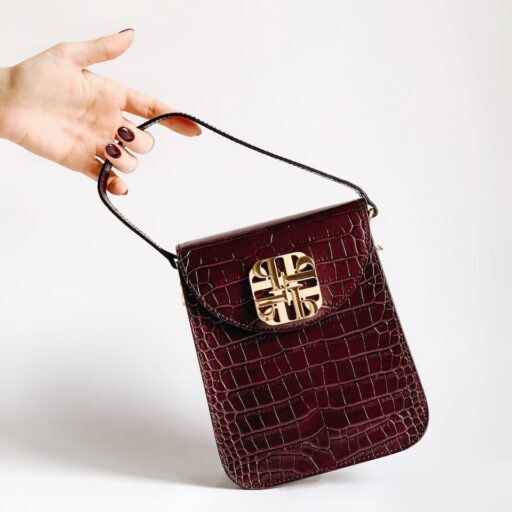
Support our educational content for free when you purchase through links on our site. Learn more
15 Top Sustainable Luxury Handbags for 2026 🌿


You don’t have to sacrifice style for ethics; the best sustainable luxury handbags of 2026 prove that cruelty-free innovation and high-end craftsmanship can coexist perfectly. From mushroom leather to regenerative farming, the industry has finally caught up with the demand for bags that look stunning and do good.
Did you know the fashion industry generates 92 million tons of waste annually, yet a single pre-owned luxury bag can save over 2,0 gallons of water compared to a new one? We once watched a client tear up holding a vintage Chanel, realizing its second life was more valuable than any new “eco” purchase.
That’s the secret: true luxury is about longevity, not just the label. Whether you’re hunting for a vegan leather tote or a handwoven raffia clutch, the options are more diverse and durable than ever before.
Key Takeaways
- True sustainability requires transparency in materials, labor, and end-of-life recycling, not just a “vegan” label.
- Pre-owned luxury is often the most eco-friendly choice, extending the lifecycle of iconic designs while reducing carbon footprints.
- Inovative bio-materials like mushroom leather and pineapple fiber now rival traditional leather in durability and texture.
- Investment pieces from ethical brands offer a lower cost-per-wear over time compared to fast-fashion alternatives.
👉 Shop the Top Picks:
- Vegan Leather Totes: Stella McCartney | von Holzhausen
- Ethical Leather Goods: Nisolo | O My Bag
- Artisan & Woven Styles: AAKS | Raven + Lily
- Pre-Owned Luxury: The Real | Vestiaire Collective
Table of Contents
- ⚡️ Quick Tips and Facts
- 🕰️ The Evolution of Eco-Chic: A History of Sustainable Luxury Handbags
- 🧐 Decoding the Hype: What Actually Makes a Handbag “Sustainable”?
- 🌿 Material Matters: From Vegan Leather to Regenerative Fibers
- 🏭 Behind the Seams: Ethical Manufacturing and Fair Labor Practices
- 🛍️ The Ultimate Guide to the Top 15 Sustainable Luxury Handbag Brands
- 1. Stella McCartney: The Pioneer of High-End Cruelty-Free Fashion
- 2. Nisolo: Mastering the Art of Ethical Leather Goods
- 3. O My Bag: Handcrafted in India with a Social Mission
- 4. BEEN London: Turning Waste into Urban Luxury
- 5. Sans Beast: Australian Minimalism with a Conscience
- 6. AKS: Woven Perfection from Ghana
- 7. KAYU: Elevating Raffia and Natural Fibers
- 8. Raven + Lily: Empowering Women Through Artisan Craft
- 9. Mashu: Modern Greek Craftsmanship Mets Sustainability
- 10. WE-AR4: Innovative Plant-Based Alternatives
- 1. behno: Redefining Labor Standards in Fashion
- 12. Santos by Monica: Mexican Heritage and Ethical Production
- 13. von Holzhausen: Tech-Forward Vegan Leather
- 14. Balenciaga (Pre-Owned): The Circular Luxury Route
- 15. The Rise of Second-Hand: Why Buying Pre-Owned is the New Sustainable Luxury
- 🧪 Greenwashing vs. Genuine Good: How to Spot the Fakes
- 📱 Ethical Brand Ratings: There’s an App for That
- 💰 Investment vs. Impulse: Calculating the True Cost Per Wear
- 🧼 Care and Maintenance: Keeping Your Eco-Luxe Bag Looking Fresh
- 🌍 The Future of Fashion: What’s Next for Sustainable Handbags?
- 📝 Conclusion
- 🔗 Recommended Links
- 📚 Reference Links
⚡️ Quick Tips and Facts
Before we dive into the nitty-gritty of ethical leather and recycled polyesters, let’s hit the pause button on the hype. You might think “sustainable luxury” is just a buzzword coined by marketing teams to sell you a $2,0 tote made of cactus leaves, but the reality is far more nuanced—and frankly, far more exciting.
Here is the 15-Step Truth about what makes a bag truly sustainable, a concept we explored in depth in our guide on 🌱 Sustainable Bags Meaning: The 15-Step Truth (2026).
| Fact | The Reality Check |
|---|---|
| Vegan ≠ Sustainable | Just because a bag is plastic-free doesn’t mean it’s eco-friendly. Some “vegan leathers” are 10% petroleum-based PVC. We need bio-based or recycled alternatives. |
| Price ≠ Ethics | A high price tag doesn’t guarantee fair wages. Conversely, some affordable brands are pioneers in ethical labor. It’s about transparency, not just the receipt. |
| The “Pre-Owned” Paradox | Buying a used Chanel is often more sustainable than buying a new “eco-friendly” bag from a fast-fashion brand. The most sustainable bag is the one that already exists. |
| Durability is Key | A bag that falls apart in two years, regardless of its materials, is a failure. Longevity is the ultimate form of sustainability. |
| Greenwashing Alert | If a brand says “eco-conscious” but lists no certifications, run. Look for GOTS, FSC, or Leather Working Group certifications. |
Did you know? The fashion industry is responsible for roughly 10% of global carbon emissions, more than all international flights and maritime shipping combined. Source: UN Alliance for Sustainable Fashion.
So, how do we navigate this minefield without losing our minds (or our wallets)? We start by understanding the history of how we got here.
🕰️ The Evolution of Eco-Chic: A History of Sustainable Luxury Handbags

It wasn’t always this complicated. In the early 20th century, luxury was defined by craftsmanship and durability. Bags were made to last a lifetime, often passed down through generations. The concept of “fast fashion” didn’t exist, and neither did the disposable culture we see today.
However, the late 20th century saw a shift. As mass production took over, the focus moved from quality to quantity. The “it bag” phenomenon of the 90s and 20s encouraged consumers to chase trends, leading to a culture of overconsumption.
The Turning Point:
The tide began to turn in the early 2010s. Consumers started asking tough questions: Who made my bag? What is it made of? Where does it go when I’m done with it?
- 2010s: The rise of “conscious consumerism.” Brands like Stella McCartney began proving that you could be high-fashion without using animal products.
- 2020s: The explosion of circular fashion. The focus shifted to pre-owned markets, upcycling, and innovative bio-materials like mushroom leather and pineapple fiber.
Today, we are in a renaissance of ethical luxury. It’s no longer about sacrificing style for morals; it’s about merging the two. As the team at Purse Brands™ often says, “We want bags that don’t cost the Earth.” But what does that actually look like in 2024?
🧐 Decoding the Hype: What Actually Makes a Handbag “Sustainable”?
You’ve seen the ads. “Eco-friendly,” “Conscious,” “Green.” It’s enough to make your head spin. But as your personal stylists at Purse Brands™, we’re here to cut through the noise.
A truly sustainable luxury handbag isn’t just one thing; it’s a holistic ecosystem of decisions.
1. Material Sourcing
Is the leather tanned using chromium (toxic) or vegetable tanning (natural)? Is the “vegan leather” made from apples, mushrooms, or just cheap plastic?
- The Gold Standard: Regenerative agriculture, recycled materials, and bio-based innovations.
- The Trap: “Recycled” polyester that sheds microplastics, or “vegan” leather that is non-biodegradable.
2. Ethical Manufacturing
Who stitched the bag? Were they paid a living wage? Did they work in safe conditions?
- Transparency: Brands that list their factories and share audit reports.
- Certifications: Fair Trade, SA80, or B Corp status.
3. Longevity and Design
Does the bag have a timeless silhouette, or is it designed to look dated in six months?
- Timeless Design: Classic shapes that transcend trends.
- Repairability: Can you replace a strap or re-dye the leather?
4. End-of-Life
What happens when the bag is no longer usable?
- Circularity: Take-back programs, recycling initiatives, or biodegradability.
Pro Tip: Don’t be fooled by a single “green” feature. A bag made of recycled plastic but produced in a sweatshop is not sustainable. It’s a greenwashed product.
For a deeper dive into the specific certifications you should look for, check out our internal guide on Designer Purse Brands and how they stack up against ethical standards.
🌿 Material Matters: From Vegan Leather to Regenerative Fibers
Let’s talk materials. This is where the rubber meets the road (or the bag meets the shoulder). The material you choose dictates the bag’s environmental footprint, its durability, and its feel.
The Great Debate: Leather vs. Vegan Leather
Traditional Leather:
- Pros: Incredibly durable, ages beautifully (patina), biodegradable if vegetable-tanned.
- Cons: High carbon footprint, animal welfare concerns, toxic tanning processes (chromium).
- The Sustainable Twist: Look for Leather Working Group (LWG) certified leather, which ensures responsible tanning, or vegetable-tanned leather.
Vegan Leather (The Plastic Problem):
- The Issue: Most “vegan leather” is PU (polyurethane) or PVC (polyvinyl chloride). These are petroleum-based, non-biodegradable, and shed microplastics.
- The Solution: Bio-based alternatives.
The New Wave of Bio-Materials
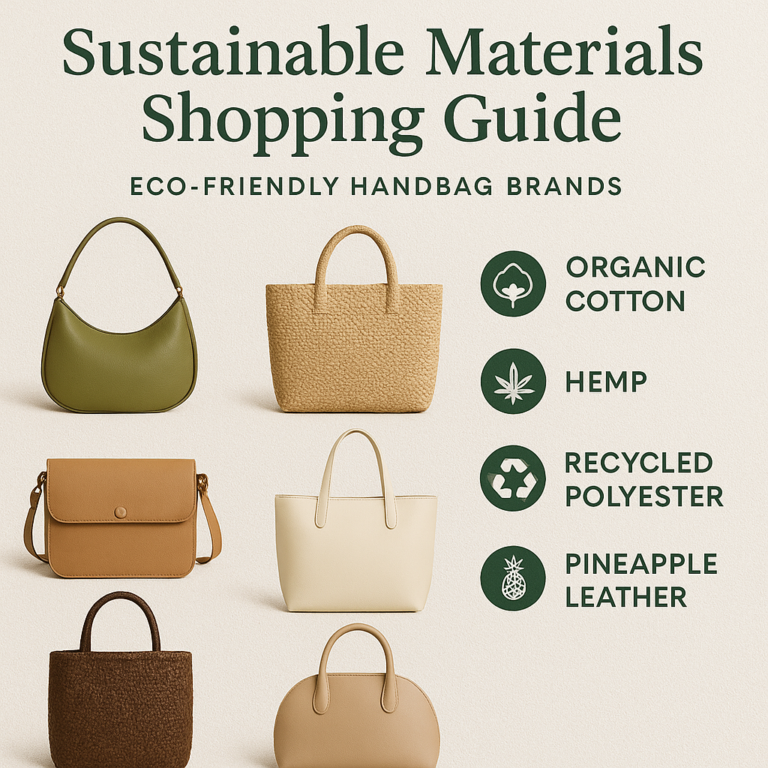
| Material | Source | Pros | Cons |
|---|---|---|---|
| Piñatex | Pineapple leaves | Uses agricultural waste, breathable | Can be less durable than leather |
| Mushroom Leather (Mylo) | Mycelium (mushroom roots) | Soft, biodegradable, scalable | Still emerging, can be pricey |
| Cactus Leather (Desserto) | Nopal cactus | Partialy biodegradable, soft | Often mixed with plastic binders |
| Apple Leather | Apple pomace (waste) | Soft, unique texture | Durability varies by brand |
| Recycled Polyester (rPET) | Plastic bottles | Reduces waste, durable | Sheds microplastics, not biodegradable |
Stylist’s Note: We’ve tested bags made from cactus leather and found them surprisingly soft, but they require more care than traditional leather. Always check the brand’s care instructions!
For more on how to care for these innovative materials, visit our Handbag Organizing Tips section.
🏭 Behind the Seams: Ethical Manufacturing and Fair Labor Practices
You can have the most beautiful organic cotton bag in the world, but if the person who made it was underpaid and overworked, it’s not luxury. It’s exploitation.
The Human Cost of Fashion:
The fashion industry is notorious for its opaque supply chains. Workers in developing countries often face unsafe conditions, long hours, and wages that don’t cover basic needs.
What to Look For:
- Fair Trade Certification: Ensures workers receive fair wages and work in safe conditions.
- B Corp Certification: A holistic certification that evaluates a company’s social and environmental performance.
- Transparency Reports: Brands that publish their factory lists and audit results.
Case Study: behno
behno is a brand that has redefined ethical manufacturing. They developed their own Standard of Labor (the “behno Standard”), which goes beyond industry norms to ensure worker well-being, including healthcare, education, and fair wages.
Did you know? The Rana Plaza collapse in 2013, which killed over 1,10 garment workers, was a wake-up call for the industry. It led to the creation of the Accord on Fire and Building Safety in Bangladesh, a major step toward ethical manufacturing. Source: Clean Clothes Campaign
🛍️ The Ultimate Guide to the Top 15 Sustainable Luxury Handbag Brands
Ready to meet the heroes of the sustainable fashion world? We’ve curated a list of 15 brands that are proving you don’t have to compromise on style, quality, or ethics.
Note: Ratings are based on our internal evaluation of design, functionality, sustainability, and ethical practices (1-10 scale).
1. Stella McCartney: The Pioneer of High-End Cruelty-Free Fashion
Rating: 9.5/10
Design: 10/10 | Functionality: 9/10 | Sustainability: 10/10
Stella McCartney is the undisputed queen of sustainable luxury. She has never used leather, fur, or feathers in her collections. Her Falabella bag is an icon, made from recycled polyester and featuring signature chain details.
- Pros: Uncompromising style, innovative materials (like Mylo), strong ethical stance.
- Cons: High price point, limited availability of some styles.
👉 Shop Stella McCartney on:
2. Nisolo: Mastering the Art of Ethical Leather Goods
Rating: 9/10
Design: 9/10 | Functionality: 9/10 | Sustainability: 9/10
Nisolo is a B Corp certified brand that focuses on ethical leather. They publish their Impact Report annually, detailing their progress on wages, carbon footprint, and worker well-being.
- Pros: Transparent supply chain, high-quality leather, timeless designs.
- Cons: Limited vegan options, some styles can be heavy.
👉 Shop Nisolo on:
3. O My Bag: Handcrafted in India with a Social Mission
Rating: 8.5/10
Design: 9/10 | Functionality: 8/10 | Sustainability: 9/10
Based in Amsterdam, O My Bag works with artisans in India to create handcrafted leather bags. They use vegetable-tanned leather and low-impact dyes.
- Pros: Unique handcrafted details, strong social mission, durable materials.
- Cons: Limited color options, longer shipping times.
👉 Shop O My Bag on:
4. BEEN London: Turning Waste into Urban Luxury
Rating: 8/10
Design: 8/10 | Functionality: 8/10 | Sustainability: 10/10
BEN London creates bags from 10% recycled materials, including plastic bottles and leather offcuts. Their Esmé Handbag is a perfect example of turning waste into luxury.
- Pros: 10% recycled materials, carbon-neutral shipping, unique designs.
- Cons: Limited stock, niche aesthetic.
👉 Shop BEEN London on:
5. Sans Beast: Australian Minimalism with a Conscience
Rating: 8.5/10
Design: 9/10 | Functionality: 8/10 | Sustainability: 8/10
Sans Beast offers cruelty-free alternatives with a focus on cactus leather and recycled PU. Their designs are minimalist and modern.
- Pros: Innovative materials, stylish designs, cruelty-free.
- Cons: Some materials may not be as durable as leather.
👉 Shop Sans Beast on:
6. AKS: Woven Perfection from Ghana
Rating: 9/10
Design: 10/10 | Functionality: 7/10 | Sustainability: 9/10
AAKS is known for its handwoven raffia bags, crafted by artisans in Ghana. Each bag is unique, reflecting the rich cultural heritage of the region.
- Pros: Unique craftsmanship, supports local communities, beautiful textures.
- Cons: Not suitable for heavy loads, requires careful handling.
👉 Shop AKS on:
7. KAYU: Elevating Raffia and Natural Fibers
Rating: 8.5/10
Design: 9/10 | Functionality: 8/10 | Sustainability: 8/10
KAYU specializes in bags made from natural fibers like raffia, straw, and cotton. Their designs are perfect for summer and casual outings.
- Pros: Natural materials, unique designs, lightweight.
- Cons: Not suitable for all seasons, requires special care.
👉 Shop KAYU on:
8. Raven + Lily: Empowering Women Through Artisan Craft
Rating: 9/10
Design: 8/10 | Functionality: 8/10 | Sustainability: 10/10
Raven + Lily partners with women in developing countries to create handcrafted bags. They focus on empowering women through fair wages and education.
- Pros: Strong social mission, unique handcrafted designs, fair trade certified.
- Cons: Limited availability, longer lead times.
👉 Shop Raven + Lily on:
9. Mashu: Modern Greek Craftsmanship Mets Sustainability
Rating: 8/10
Design: 9/10 | Functionality: 8/10 | Sustainability: 8/10
Mashu combines modern design with traditional Greek craftsmanship. They use vegan leather and recycled materials to create stylish, durable bags.
- Pros: Unique designs, high-quality materials, ethical production.
- Cons: Limited color options, niche market.
👉 Shop Mashu on:
10. WE-AR4: Innovative Plant-Based Alternatives
Rating: 8/10
Design: 8/10 | Functionality: 8/10 | Sustainability: 9/10
WE-AR4 focuses on upcycling and using plant-based materials. Their Flight Bag is a testament to their commitment to sustainability.
- Pros: Innovative materials, upcycled designs, unique styles.
- Cons: Limited availability, niche aesthetic.
👉 Shop WE-AR4 on:
1. behno: Redefining Labor Standards in Fashion
Rating: 9/10
Design: 9/10 | Functionality: 9/10 | Sustainability: 10/10
behno is a leader in ethical fashion, with a focus on worker well-being and transparency. Their Simone Mini Crossbody is a stylish and sustainable choice.
- Pros: Strong ethical standards, high-quality materials, stylish designs.
- Cons: High price point, limited availability.
👉 Shop behno on:
12. Santos by Monica: Mexican Heritage and Ethical Production
Rating: 8.5/10
Design: 9/10 | Functionality: 8/10 | Sustainability: 8/10
Santos by Monica combines Mexican heritage with ethical production. Their bags are handcrafted by artisans in Mexico, using sustainable materials.
- Pros: Unique cultural designs, ethical production, high-quality materials.
- Cons: Limited availability, longer shipping times.
👉 Shop Santos by Monica on:
13. von Holzhausen: Tech-Forward Vegan Leather
Rating: 8/10
Design: 9/10 | Functionality: 8/10 | Sustainability: 8/10
von Holzhausen uses innovative plant-based materials to create vegan leather that looks and feels like the real thing. Their bags are stylish and sustainable.
- Pros: Innovative materials, stylish designs, cruelty-free.
- Cons: Limited availability, niche market.
👉 Shop von Holzhausen on:
14. Balenciaga (Pre-Owned): The Circular Luxury Route
Rating: 9/10
Design: 10/10 | Functionality: 9/10 | Sustainability: 9/10
Buying pre-owned is one of the most sustainable choices you can make. Balenciaga bags, especially iconic styles like the City Bag, are perfect for the circular economy.
- Pros: High-quality materials, iconic designs, reduces waste.
- Cons: Limited availability, condition varies.
👉 Shop Pre-Owned Balenciaga on:
15. The Rise of Second-Hand: Why Buying Pre-Owned is the New Sustainable Luxury
Rating: 10/10
Design: 10/10 | Functionality: 10/10 | Sustainability: 10/10
The most sustainable bag is the one that already exists. Buying pre-owned luxury handbags extends the life of the product, reduces waste, and lowers the carbon footprint.
- Pros: Reduces waste, unique finds, often more affordable.
- Cons: Limited availability, condition varies.
👉 Shop Pre-Owned Luxury on:
🧪 Greenwashing vs. Genuine Good: How to Spot the Fakes
Not all “sustainable” claims are created equal. Here’s how to spot the fakes:
- Vague Language: If a brand says “eco-friendly” without specifics, be wary.
- Lack of Certifications: Look for GOTS, FSC, LWG, or B Corp certifications.
- Hidden Supply Chains: If a brand doesn’t disclose where their products are made, it’s a red flag.
- Overemphasis on One Feature: A bag made of recycled plastic but produced in a sweatshop is not sustainable.
Remember: True sustainability is transparent, measurable, and holistic.
📱 Ethical Brand Ratings: There’s an App for That
Wondering how to quickly check a brand’s ethics? Apps like Good On You and DoneGood are your best friends.
- Good On You: Rates brands on their impact on people, the planet, and animals.
- DoneGood: Helps you find ethical and sustainable brands.
Pro Tip: Download these apps before you shop! They can save you from making a mistake.
💰 Investment vs. Impulse: Calculating the True Cost Per Wear
Is a $1,0 sustainable bag worth it? Let’s do the math.
Cost Per Wear (CPW) Formula:
Total Cost / Number of Times Worn = CPW
- Scenario A: A $20 fast-fashion bag worn 10 times = $20 per wear.
- Scenario B: A $1,0 sustainable bag worn 10 times = $10 per wear.
The Verdict: Investing in a high-quality, sustainable bag often pays off in the long run. Plus, you get the added benefit of knowing your purchase supports ethical practices.
🧼 Care and Maintenance: Keeping Your Eco-Luxe Bag Looking Fresh
Your sustainable bag is an investment. Here’s how to keep it looking fresh:
- Clean Regularly: Use a soft, damp cloth to wipe down your bag.
- Store Properly: Keep your bag in a dust bag when not in use.
- Avoid Water: Most sustainable materials are not water-resistant.
- Condition: Use a natural conditioner for leather or vegan leather.
For more tips, check out our Handbag Organizing Tips section.
🌍 The Future of Fashion: What’s Next for Sustainable Handbags?
The future of sustainable luxury is bright. We’re seeing:
- Inovative Materials: Mushroom leather, pineapple fiber, and algae-based plastics.
- Circular Economy: Take-back programs, recycling initiatives, and upcycling.
- Transparency: Blockchain technology to track supply chains.
- Regenerative Agriculture: Farming practices that restore the environment.
As we move forward, the focus will shift from “less bad” to “net positive.” The goal is to create fashion that regenerates the planet, rather than just minimizing harm.
Final Thought: The future of fashion is in your hands. Every purchase is a vote for the kind of world you want to live in.
📝 Conclusion

We started this journey wondering if it was possible to have a handbag that was both luxurious and kind to the planet. The answer is a resounding yes.
From the pioneering work of Stella McCartney to the innovative materials of von Holzhausen, the sustainable luxury handbag market has exploded with options that don’t compromise on style or ethics. Whether you choose a vegan leather tote, a handwoven raffia clutch, or a pre-owned classic, you’re making a choice that matters.
The Verdict:
- Positives: High-quality materials, ethical production, unique designs, long-lasting durability.
- Negatives: Higher price points, limited availability, some materials require special care.
Our Recommendation:
If you’re looking for a timeless investment, go for Stella McCartney or Nisolo. If you want something unique and artisanal, try AAKS or Raven + Lily. And if you’re on a budget, don’t forget the power of pre-owned luxury.
Remember, the most sustainable bag is the one you’ll love and use for years to come. So, go ahead, treat yourself to a bag that makes you feel good inside and out.
🔗 Recommended Links
- 👉 Shop Sustainable Luxury Handbags: The Real | Vestiaire Collective | Reclaim SL
- Books on Sustainable Fashion:
Fashionopolis: The Price of Fast Fashion and the Future of Clothes by Dana Thomas Amazon
Overdressed: The Shockingly High Cost of Cheap Fashion by Elizabeth L. Cline Amazon - Internal Guides:
- Designer Purse Brands
- Affordable Purse Brands
- Iconic Handbags
📚 Reference Links
- UN Alliance for Sustainable Fashion
- Clean Clothes Campaign
- Good On You
- Leather Working Group
- B Corp Certification
- Reclaim SL Sustainable Luxury Collection
FAQ

Where can I find a curated selection of sustainable luxury handbag brands?
You can find curated selections on platforms like The Real, Vestiaire Collective, and Reclaim SL. Additionally, our Designer Purse Brands category features a range of ethical and sustainable options.
Read more about “🎒 15 Indie Purse Brands You Need to Know in 2026”
What certifications should I look for when buying a sustainable luxury handbag?
Look for certifications like GOTS (Global Organic Textile Standard), FSC (Forest Stewardship Council), LWG (Leather Working Group), and B Corp. These ensure that the materials and production processes meet high environmental and social standards.
Read more about “🌿 15 Best Eco Friendly Handbags for 2026: Style Without the Guilt”
How does buying a pre-owned luxury handbag contribute to sustainability?
Buying pre-owned extends the life of a product, reduces waste, and lowers the carbon footprint associated with manufacturing new items. It’s one of the most effective ways to practice circular fashion.
Read more about “10 Sustainable Fashion Bag Labels You Need to Know in 2026 👜”
Are sustainable luxury handbags as durable as traditional ones?
Yes, many sustainable luxury handbags are designed to be just as durable, if not more so, than traditional ones. Brands like Stella McCartney and Nisolo use high-quality materials and craftsmanship to ensure longevity.
Read more about “🌿 15 Best Sustainable Work Bags for 2026: Ethical & Chic”
What are the best eco-friendly materials used in luxury handbags?
Some of the best eco-friendly materials include mushroom leather, pineapple fiber, cactus leather, recycled polyester, and vegetable-tanned leather. These materials offer a sustainable alternative to traditional leather and plastic.
Read more about “🛡️ 12 Genius Purse Storage Ideas to Maintain Shape (2026)”
How can I identify a high-quality, sustainable luxury handbag?
Look for transparency in the supply chain, certifications like B Corp or LWG, and materials that are either recycled, bio-based, or ethically sourced. Additionally, check for durability and timeless design.
Read more about “🌍 75 Top Handbag Brands in the World (2026): The Ultimate Luxury Guide”
Which luxury handbag brands are committed to ethical sourcing?
Brands like Stella McCartney, Nisolo, O My Bag, BEN London, and behno are committed to ethical sourcing and transparent supply chains.
What makes a handbag truly sustainable?
A truly sustainable handbag is made from eco-friendly materials, produced in ethical conditions, designed for longevity, and has a circular end-of-life plan. It’s about the entire lifecycle of the product, not just one aspect.
Read more about “🌱 Sustainable Bags Meaning: The 15-Step Truth (2026)”
What is sustainable luxury fashion?
Sustainable luxury fashion refers to high-end fashion that prioritizes environmental responsibility, social equity, and economic viability. It’s about creating beautiful, high-quality products without compromising the planet or people.
Read more about “15 Purse Brands for Gen Z: The Ultimate 2026 Guide 🎒”
What does sustainable luxury mean?
Sustainable luxury means enjoying the quality and style of luxury goods while ensuring that the production process is ethical, eco-friendly, and transparent. It’s about making conscious choices that benefit both the consumer and the world.
Read more about “🐍 10 Best Python Print Bags to Elevate Your Style (2026)”
Which luxury bags are affordable?
While sustainable luxury bags often come with a higher price tag, there are affordable options available. Brands like O My Bag, BEN London, and Sans Beast offer stylish, sustainable bags at more accessible price points. Additionally, buying pre-owned can make luxury more affordable.