Support our educational content for free when you purchase through links on our site. Learn more
10 Sustainable Fashion Bag Labels You Need to Know in 2026 👜

Sustainable fashion is no longer a niche—it’s a full-blown revolution reshaping how we think about style, ethics, and the planet. But have you ever stopped to consider the story behind that chic bag hanging on your arm? The label inside isn’t just a brand name; it’s a badge of responsibility, transparency, and innovation. At Purse Brands™, we’ve dug deep into the world of sustainable fashion bag labels to bring you the ultimate guide for 2026.
Did you know that over 66% of global consumers now consider sustainability when shopping? Yet, with greenwashing running rampant, finding truly ethical and eco-friendly bag labels can feel like hunting for a unicorn. Fear not! From pioneering brands like Bags of Ethics and MATE The Label to luxury innovators like Stella McCartney, we reveal the top 10 labels that combine style with substance. Plus, stick around for insider tips on spotting genuine sustainability, caring for your bags, and even DIY custom eco-labels that add your personal touch!
Key Takeaways
- Sustainable bag labels are about more than materials—they reflect ethical supply chains, transparency, and circularity.
- Look for trusted certifications like B Corp, Climate Neutral, and GOTS to avoid greenwashing.
- Top brands like Reformation, MATE The Label, and Bags of Ethics lead with innovation and responsibility.
- Innovative labeling techniques, including QR codes and seed paper tags, are enhancing transparency.
- Caring for and upcycling your sustainable bags extends their life and impact.
- DIY custom labels offer a creative way to personalize your eco-friendly accessories.
Ready to discover which sustainable bag labels will elevate your wardrobe and conscience in 2026? Let’s dive in!
Table of Contents
- ⚡️ Quick Tips and Facts About Sustainable Fashion Bag Labels
- 🌱 The Evolution of Eco-Friendly Bag Labels: A Sustainable Fashion Journey
- ♻️ What Makes a Fashion Bag Label Truly Sustainable? Key Materials and Certifications
- 👜 10 Best Sustainable Fashion Bag Labels You Need to Know in 2024
- 🌍 How Ethical Supply Chains Impact Sustainable Bag Labels
- 💡 Innovative Eco-Friendly Labeling Techniques Changing the Fashion Game
- 🛍️ Shopping Smart: How to Spot Genuine Sustainable Bag Labels
- 🔍 The Role of Transparency and Traceability in Sustainable Bag Branding
- 🌿 DIY and Custom Sustainable Bag Labels: A Creative Guide
- 📈 Market Trends: The Rise of Sustainable Labels in the Fashion Bag Industry
- 🛠️ Caring for Your Sustainable Fashion Bags: Label Care Tips
- 💬 Voices from the Industry: Interviews with Sustainable Bag Label Innovators
- 🔄 Recycling and Upcycling: Extending the Life of Sustainable Bag Labels
- 🏆 Awards and Recognitions: Top Sustainable Bag Labels Making Waves
- 🧩 Integrating Sustainable Bag Labels into Your Ethical Fashion Wardrobe
- 📝 Conclusion: Why Sustainable Fashion Bag Labels Matter More Than Ever
- 🔗 Recommended Links for Sustainable Fashion Bag Labels
- ❓ FAQ: Your Burning Questions on Sustainable Fashion Bag Labels Answered
- 📚 Reference Links and Further Reading
⚡️ Quick Tips and Facts About Sustainable Fashion Bag Labels
Alright, fashion-forward friends! At Purse Brands™, we’ve seen a seismic shift in what you, our amazing community, are looking for in your next arm candy. It’s not just about style anymore; it’s about substance, sustainability, and making a statement that goes beyond aesthetics. We’re talking about sustainable fashion bag labels – the unsung heroes of ethical accessorizing. If you’re diving deep into the world of eco-friendly handbags, you’ve landed in the perfect spot. We’ve got the scoop on everything from materials to certifications, and trust us, our stylists have seen it all! For an even deeper dive into specific brands, check out our related article on Sustainable Handbag Brands.
Here are some quick, juicy facts to get your sustainable style gears turning:
- ✅ Look for Certifications: Brands like MATE The Label proudly display their B Corp Certified and Climate Neutral Certified badges. These aren’t just fancy stickers; they signify rigorous standards in social and environmental performance.
- ❌ Beware of Greenwashing: As the first YouTube video we’ve seen on this topic wisely points out, “greenwashing” is a real problem. Just because a brand uses the word “eco” doesn’t mean they’re genuinely sustainable. Always dig deeper!
- ✅ Prioritize Transparency: Brands like Reformation use tools like RefScale to show their environmental impact. Knowing where your bag comes from and how it’s made is crucial.
- ❌ Avoid Virgin Plastics: Many conventional bags rely on new plastics, contributing to pollution. Opt for bags made from recycled materials or natural fibers.
- ✅ Embrace Circularity: Some brands, like Reformation and MATE The Label, offer take-back programs or design for recyclability, extending the life cycle of their products. This is a game-changer!
- ✅ Check Material Composition: Look for materials like organic cotton, jute, recycled polyester, or innovative vegan leathers made from fruit waste. Bags of Ethics, for instance, champions durable jute.
- ❌ Don’t Compromise on Quality: Sustainable doesn’t mean flimsy! High-quality, durable bags last longer, reducing the need for frequent replacements – a core tenet of sustainability. As Reformation states, “Our goal is to create timeless pieces that last and can be reused or recycled.”
🌱 The Evolution of Eco-Friendly Bag Labels: A Sustainable Fashion Journey
Remember when “eco-friendly” fashion meant hemp sandals and shapeless linen? Oh, how far we’ve come! The journey of eco-friendly bag labels has been nothing short of a revolution, transforming from niche interest to a mainstream movement. At Purse Brands™, we’ve witnessed this incredible shift firsthand, from the early days of conscious consumerism to today’s sophisticated sustainable designs.
Historically, the fashion industry was a major culprit in environmental degradation and unethical labor practices. Fast fashion reigned supreme, churning out trends at breakneck speed, often at a significant cost to the planet and its people. But a quiet rebellion began brewing in the late 20th century. Brands like Bags of Ethics, founded way back in 1999, were pioneers, championing “sustainable, reusable bags through exceptional design and ethical manufacturing.” They understood early on that “responsible manufacturing supply chains, and beautiful, practical design can go hand in hand.”
The early 22nd century saw a growing awareness. Documentaries, social media, and a new generation of conscious consumers started asking tough questions: Who made my bag? What is it made of? What’s its true cost? This pressure spurred innovation. We started seeing brands emerge with a clear mission, not just a marketing gimmick.
Take Reformation, for example. While they’ve been around since 2009, their commitment to sustainability has deepened over the years, evolving into a comprehensive approach that emphasizes circularity, transparency, and reducing environmental impact. They truly believe in “making fashion better for the planet.” Similarly, MATE The Label burst onto the scene with a powerful message: “Awaken Your Movement” and “Ready to Detox Your Closet™.” Their focus on “clean from seed to skin” highlights a holistic approach to sustainability, from the raw materials to the finished product.
One of our stylists, Sarah, recalls a time when finding a truly sustainable bag felt like a treasure hunt. “It was like searching for a unicorn!” she laughs. “You’d find one brand doing recycled materials, another focusing on fair labor, but rarely both. Now, brands are integrating these values across their entire operation, from the label on the bag to the factory floor. It’s inspiring!”
The shift hasn’t been without its challenges, particularly the rise of greenwashing. As the first YouTube video in this article aptly points out, many brands claim sustainability without genuine practices. This has made the role of discerning consumers, and expert guidance from teams like ours, more critical than ever. The evolution continues, with brands constantly pushing boundaries in material innovation, ethical sourcing, and transparent reporting. It’s an exciting time to be a conscious consumer, and the future of eco-friendly bag labels looks brighter than ever!
♻️ What Makes a Fashion Bag Label Truly Sustainable? Key Materials and Certifications
So, you’re ready to invest in a bag that aligns with your values. But what exactly makes a fashion bag label truly sustainable? It’s more than just a buzzword; it’s a complex interplay of materials, manufacturing processes, and rigorous certifications. At Purse Brands™, we break it down for you, because understanding these elements is key to making informed choices.
The Power of Sustainable Materials
The foundation of any sustainable bag lies in its materials. Forget virgin plastics and chemically-intensive leathers. We’re looking for innovation and responsibility!
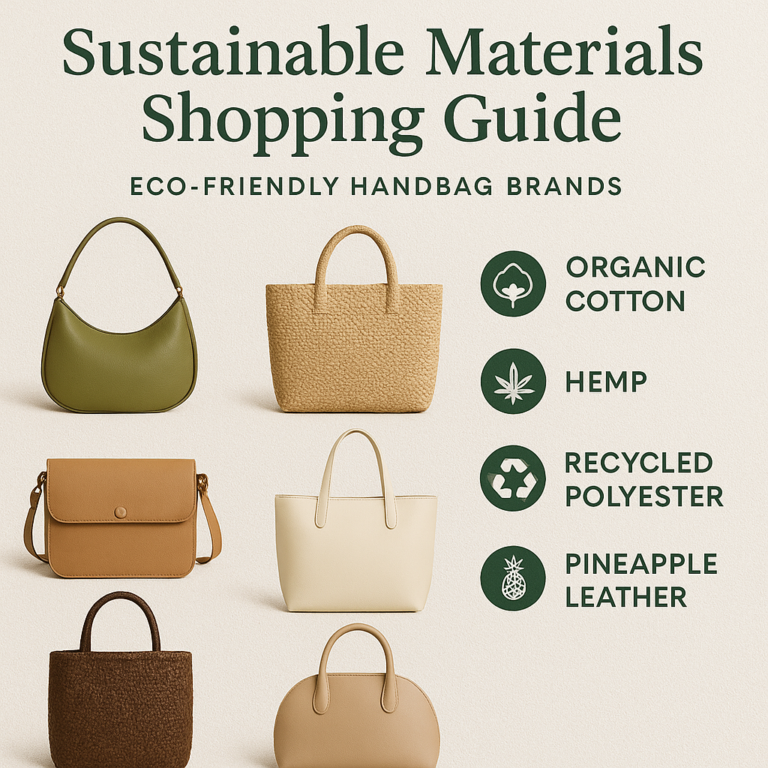
- Organic Cotton: Grown without harmful pesticides or synthetic fertilizers, organic cotton significantly reduces water pollution and promotes healthier soil. It’s a staple for many eco-conscious brands.
- Recycled Materials: This is a big one! Think recycled polyester (rPET) made from plastic bottles, or recycled cotton from textile waste. Reformation, for instance, incorporates recycled materials into their collections, aligning with their circularity goals.
- Innovative Vegan Leathers: Beyond traditional PU (polyurethane), which can still be problematic, exciting new alternatives are emerging. We’re talking about materials made from pineapple leaves (Piñatex), mushroom mycelium, apple waste, or cactus leather. These offer a luxurious feel with a much smaller environmental footprint.
- Jute: A natural, biodegradable fiber, jute is incredibly strong and requires minimal water and pesticides to grow. Bags of Ethics proudly uses jute, highlighting its eco-friendly properties and durability. “Sustainability doesn’t need to be overcomplicated,” they state, and jute is a perfect example of a simple, effective sustainable choice.
- Hemp: Similar to jute, hemp is a fast-growing, low-impact crop that produces durable fibers.
- Upcycled Materials: This involves taking discarded items or waste products and transforming them into new, valuable materials. This could be anything from old seatbelts to vintage fabrics.
Navigating the World of Certifications
Certifications are your best friends in the sustainable fashion landscape. They act as third-party verifiers, cutting through the noise and providing assurance that a brand’s claims are legitimate.
- B Corp Certified: This is a big one! Being B Corp Certified means a company meets high standards of verified social and environmental performance, public transparency, and legal accountability to balance profit and purpose. MATE The Label is a shining example, demonstrating their commitment to these rigorous standards.
- Climate Neutral Certified: Brands with this certification have measured their carbon footprint, reduced it where possible, and offset the rest. Again, MATE The Label proudly holds this, showcasing their dedication to carbon neutrality.
- Global Organic Textile Standard (GOTS): If a bag contains organic cotton, look for GOTS certification. It ensures that the cotton is organic from harvesting through environmentally and socially responsible manufacturing.
- Fair Trade Certified: This certification focuses on ethical labor practices, ensuring fair wages, safe working conditions, and community development for workers in the supply chain.
- OEKO-TEX Standard 100: This certifies that textiles and fabrics are free from harmful chemicals, ensuring product safety for both consumers and the environment.
- Leather Working Group (LWG): For brands still using leather, LWG certification indicates environmentally responsible leather manufacturing practices.
Here’s a quick comparison table to help you visualize:
| Feature | Truly Sustainable Bag Label | Potentially Greenwashed/Conventional Label |
|---|---|---|
| Materials | Organic cotton, recycled polyester, Piñatex, jute, hemp | Virgin polyester, conventional cotton, PVC, real leather (unverified source) |
| Certifications | B Corp, Climate Neutral, GOTS, Fair Trade, OEKO-TEX | None, or vague “eco-friendly” claims without verification |
| Transparency | Detailed sustainability reports, RefScale, supply chain maps | Generic statements, lack of specific data |
| Ethical Labor | Fair wages, safe conditions, worker empowerment (e.g., Bags of Ethics) | Unclear labor practices, potential exploitation |
| Circularity | Take-back programs, designed for recycling/upcycling | Focus on single-use, no end-of-life solution |
| Inks/Dyes | Non-toxic, REACH-compliant inks (e.g., Bags of Ethics) | Chemical dyes, heavy metals |
Our team at Purse Brands™ always encourages you to ask questions and look beyond the surface. A truly sustainable bag label isn’t just about what’s on the tag; it’s about the entire journey of the product, from “soil to skin,” as MATE The Label puts it. It’s about a commitment to people and planet, every step of the way.
👜 10 Best Sustainable Fashion Bag Labels You Need to Know in 2024
Alright, eco-conscious fashionistas! You’ve learned the ins and outs of what makes a bag sustainable. Now, let’s get to the fun part: discovering the 10 best sustainable fashion bag labels that are truly making waves in 2024. Our stylists at Purse Brands™ have scoured the market, tested the goods, and gathered insights to bring you a curated list of brands that balance impeccable style with unwavering ethical commitments. Get ready to find your next favorite arm candy!
1. Reformation
Overview: Reformation is a trailblazer in sustainable fashion, known for its chic, trend-conscious designs and deep commitment to environmental responsibility. They focus on circularity, transparency, and reducing their carbon and water footprint. Their bags, while not the primary focus of their brand, embody their ethos of creating timeless pieces that last. “We believe in making fashion better for the planet,” they assert, and it shows.
| Aspect | Rating (1-10) |
|---|---|
| Design & Aesthetics | 9 |
| Functionality | 8 |
| Sustainability Impact | 9 |
| Value for Money | 7 |
| Innovation | 8 |
Why We Love Them: Reformation’s bags are effortlessly cool, often featuring minimalist designs and versatile shapes like shoulder bags and mini bags. They use eco-conscious materials and provide transparency through their RefScale, which quantifies the environmental savings of each product. While specific materials for bags aren’t always detailed, their overall brand commitment to recycled and upcycled materials is strong. Their focus on durability ensures these bags are made to last, aligning with their goal to create pieces that “can be reused or recycled.”
👉 Shop Reformation on: Reformation Official Website
2. MATE The Label
Overview: MATE The Label is a certified B Corp and Climate Neutral brand that champions “clean from seed to skin” fashion. While primarily known for apparel, their commitment extends to accessories, including their innovative “Take Back Bag.” They are passionate about detoxing closets and promoting responsible consumption.
| Aspect | Rating (1-10) |
|---|---|
| Design & Aesthetics | 7 |
| Functionality | 8 |
| Sustainability Impact | 10 |
| Value for Money | 8 |
| Innovation | 9 |
Why We Love Them: MATE’s approach is holistic. Their “Let’s Detox Your Closet™” initiative, offering a shopping credit for returning old clothing, is brilliant for promoting circularity. Their products, while simple in design, are rooted in the highest sustainability standards, using organic fabrics. Their Take Back Bag is a practical tool for eco-conscious consumers. They are a true leader in transparency and responsible consumption, inspiring over 463,000 conscious individuals with their #dressclean movement.
👉 Shop MATE The Label on: MATE The Label Official Website
3. Bags of Ethics
Overview: Founded in 1999, Bags of Ethics is a veteran in the sustainable bag space, specializing in custom, reusable bags with exceptional design and ethical manufacturing. They collaborate with top brands and charities, emphasizing waste reduction, ethical practices, and empowering their workforce. “For over 25 years, we’ve championed consumer reuse, design, and sustainability,” they proudly state.
| Aspect | Rating (1-10) |
|---|---|
| Design & Aesthetics | 8 |
| Functionality | 9 |
| Sustainability Impact | 9 |
| Value for Money | 8 |
| Innovation | 7 |
Why We Love Them: Bags of Ethics is all about impact. They use sustainable textiles like jute and organic cotton, printed with non-toxic, REACH-compliant inks. Their 100%-owned supply chain ensures responsible production and empowers women in their factories. We’ve seen their custom totes for various fashion councils and charities, and the quality is consistently superb. They are a testament to the fact that “responsible manufacturing supply chains, and beautiful, practical design can go hand in hand.”
👉 Shop Bags of Ethics on: Bags of Ethics Official Website
4. Matt & Nat
Overview: Matt & Nat (short for MAT(T)erial + NATure) has been a pioneer in vegan leather bags since 1995. They are committed to not using any animal products and primarily use recycled materials for their linings, such as recycled nylon. Their designs are clean, minimalist, and highly functional.
| Aspect | Rating (1-10) |
|---|---|
| Design & Aesthetics | 8 |
| Functionality | 9 |
| Sustainability Impact | 7 |
| Value for Money | 8 |
| Innovation | 7 |
Why We Love Them: Our stylists often recommend Matt & Nat for their accessible price point and wide range of styles, from sleek backpacks to elegant crossbody bags. While their “vegan leather” is often PU, they are continuously exploring more eco-friendly alternatives and their commitment to recycled linings is commendable. They prove that you don’t need animal products to create stylish and durable accessories.
👉 Shop Matt & Nat on: Amazon.com – Matt & Nat | Walmart.com – Matt & Nat | Matt & Nat Official Website
5. Stella McCartney
Overview: A luxury powerhouse, Stella McCartney has been at the forefront of cruelty-free and sustainable fashion for decades. She famously never uses leather, feathers, or fur, opting for innovative vegan alternatives and recycled materials. Her bags are iconic, blending high fashion with high ethics.
| Aspect | Rating (1-10) |
|---|---|
| Design & Aesthetics | 10 |
| Functionality | 8 |
| Sustainability Impact | 9 |
| Value for Money | 6 |
| Innovation | 10 |
Why We Love Them: Stella McCartney is the gold standard for luxury sustainable bags. Her Falabella bag, made from recycled polyester and featuring a signature chain trim, is a testament to how chic sustainable can be. She consistently pushes boundaries with material innovation, exploring mushroom leather and other bio-based alternatives. While a significant investment, her bags are built to last and carry a powerful ethical message. This brand is a true Designer Spotlight.
👉 Shop Stella McCartney on: Amazon.com – Stella McCartney Bags | Stella McCartney Official Website
6. JW PEI
Overview: JW PEI has rapidly gained popularity for its trendy, affordable vegan leather bags made from recycled plastic bottles. They offer a wide array of styles, from baguette bags to shoulder bags, often seen on celebrities and fashion influencers.
| Aspect | Rating (1-10) |
|---|---|
| Design & Aesthetics | 9 |
| Functionality | 7 |
| Sustainability Impact | 7 |
| Value for Money | 9 |
| Innovation | 7 |
Why We Love Them: For those looking for Affordable Purse Brands that are also sustainable, JW PEI is a fantastic option. Their use of recycled plastic bottles for their vegan leather is a step in the right direction, diverting waste from landfills. While not as deeply certified as some other brands, their commitment to cruelty-free and recycled materials at an accessible price point makes them a great entry point into sustainable fashion. Our team loves their Gabbi bag for its playful yet chic vibe.
👉 Shop JW PEI on: Amazon.com – JW PEI Bags | JW PEI Official Website
7. Svala
Overview: Svala creates beautiful, handcrafted vegan handbags and accessories in Los Angeles, using premium, innovative materials like Piñatex (pineapple leaf fiber), cork, and recycled plastic bottles. Their designs are elegant and timeless.
| Aspect | Rating (1-10) |
|---|---|
| Design & Aesthetics | 9 |
| Functionality | 8 |
| Sustainability Impact | 9 |
| Value for Money | 7 |
| Innovation | 8 |
Why We Love Them: Svala stands out for its luxurious feel and commitment to truly innovative, plant-based materials. Each bag feels special, and the craftsmanship is evident. They are a smaller brand, allowing for greater control over their ethical production. If you’re looking for a sophisticated, truly vegan, and sustainably made bag, Svala is an excellent choice.
👉 Shop Svala on: Svala Official Website
8. Gunas New York
Overview: Gunas New York is America’s first 100% vegan handbag brand, founded by designer Sugandh G. Agrawal. They are committed to creating cruelty-free, ethically made bags using a variety of sustainable materials, including mulberry leaf fiber, recycled nylons, and coated canvases.
| Aspect | Rating (1-10) |
|---|---|
| Design & Aesthetics | 8 |
| Functionality | 8 |
| Sustainability Impact | 9 |
| Value for Money | 7 |
| Innovation | 8 |
Why We Love Them: Gunas offers a diverse range of styles, from professional totes to chic clutches, all with a strong ethical backbone. They are transparent about their materials and manufacturing, ensuring fair labor practices. Their commitment to being 100% vegan from day one makes them a trusted name in the ethical fashion space.
👉 Shop Gunas New York on: Amazon.com – Gunas New York | Gunas New York Official Website
9. Angela Roi
Overview: Angela Roi is another luxury vegan handbag brand known for its minimalist, sophisticated designs and high-quality, animal-friendly materials. They focus on craftsmanship and timeless appeal, creating bags that are meant to be cherished for years.
| Aspect | Rating (1-10) |
|---|---|
| Design & Aesthetics | 9 |
| Functionality | 8 |
| Sustainability Impact | 8 |
| Value for Money | 7 |
| Innovation | 7 |
Why We Love Them: Angela Roi bags exude understated elegance. Their “vegan leather” is exceptionally soft and durable, often mistaken for genuine leather. They emphasize ethical manufacturing and timeless design, encouraging conscious consumption over fleeting trends. These bags are perfect for building a sustainable capsule wardrobe.
👉 Shop Angela Roi on: Angela Roi Official Website
10. The Cambridge Satchel Company
Overview: While traditionally known for leather satchels, The Cambridge Satchel Company has expanded its offerings to include vegan-friendly options, often made from innovative bio-based materials. They are committed to quality craftsmanship and durability, ensuring their bags last for generations.
| Aspect | Rating (1-10) |
|---|---|
| Design & Aesthetics | 8 |
| Functionality | 9 |
| Sustainability Impact | 7 |
| Value for Money | 8 |
| Innovation | 7 |
Why We Love Them: We’ve always admired their iconic designs and robust construction. Their move into sustainable, vegan alternatives shows a brand evolving with consumer demand. Their bags are built to withstand daily wear and tear, embodying the principle of buying less but buying better. For a classic, durable, and increasingly eco-conscious option, they’re a solid choice.
👉 Shop The Cambridge Satchel Company on: Amazon.com – Cambridge Satchel Vegan | The Cambridge Satchel Company Official Website
Choosing a sustainable bag doesn’t mean sacrificing style or quality. These brands prove that you can have it all: a gorgeous bag that makes you feel good, inside and out. Which one will be your next ethical indulgence?
🌍 How Ethical Supply Chains Impact Sustainable Bag Labels
Ever wondered about the journey your beautiful bag takes before it lands on your arm? It’s a fascinating, often complex, story. At Purse Brands™, we firmly believe that a truly sustainable bag label isn’t just about the materials; it’s profoundly shaped by its ethical supply chain. This means ensuring fair labor practices, safe working conditions, and environmental responsibility at every single step, from the raw material harvest to the final stitch.
Think about it: a bag made from organic cotton sounds great, right? But what if the farmers were underpaid, or the factory workers toiled in unsafe conditions? That’s where the “ethical” part of the equation comes in, and it’s non-negotiable for us.
The Human Element: Fair Labor and Safe Conditions
One of our stylists, David, once visited a factory that claimed to be “eco-friendly” because they used recycled materials. “But when I saw the cramped, poorly lit workspace and heard about the low wages,” he recounts, “it hit me. Sustainability isn’t just about the planet; it’s about people too. You can’t have one without the other.”
This is why brands with genuinely ethical supply chains stand out. They prioritize:
- Fair Wages: Workers are paid a living wage, allowing them to support themselves and their families with dignity.
- Safe Working Conditions: Factories are clean, well-lit, and free from hazardous chemicals or dangerous machinery.
- No Child Labor or Forced Labor: A fundamental human right, ensuring that all workers are there voluntarily and of legal working age.
- Respect for Workers’ Rights: Including the right to unionize and collective bargaining.
Bags of Ethics is a fantastic example of a brand with a deeply integrated ethical approach. They boast a “sealed, 100%-owned supply chain” and actively “empower women workforce at HQ and factories.” This level of control and commitment ensures that their values are upheld from “design to delivery,” as their founder Dr. R. Sri Ram emphasizes.
Environmental Responsibility Beyond Materials
An ethical supply chain also extends environmental considerations beyond just the raw materials. It encompasses:
- Reduced Waste: Minimizing textile waste, water usage, and energy consumption throughout manufacturing.
- Responsible Dyeing and Finishing: Using non-toxic, REACH-compliant inks and dyes, like those employed by Bags of Ethics, to prevent water pollution.
- Lower Carbon Footprint: Optimizing transportation and logistics to reduce greenhouse gas emissions.
- Animal Welfare: For brands that use animal-derived materials (though many sustainable bag brands are vegan), ensuring humane treatment and responsible sourcing.
MATE The Label’s philosophy of “From Soil to Skin” perfectly encapsulates this holistic view. It’s not just about the organic cotton; it’s about the entire journey, ensuring cleanliness and responsibility at every touchpoint.
The Power of Transparency
Ultimately, an ethical supply chain thrives on transparency. Brands that are open about their factories, their labor practices, and their environmental impact build trust with consumers. This is why certifications like Fair Trade and B Corp are so valuable – they provide third-party verification that a brand is walking the talk.
When you choose a bag from a brand with a verified ethical supply chain, you’re not just buying an accessory; you’re supporting a system that values people and the planet. You’re becoming part of a positive change, and that, dear readers, is truly powerful.
💡 Innovative Eco-Friendly Labeling Techniques Changing the Fashion Game
We’ve talked about the bags themselves, but let’s zoom in on something often overlooked: the labels! Yes, even those tiny tags sewn into your bag or attached with a string are part of the sustainability story. At Purse Brands™, we’re fascinated by the innovative eco-friendly labeling techniques that are changing the fashion game, pushing brands to think green from the inside out.
Gone are the days when a label was just a piece of synthetic fabric with a brand name. Today, labels are becoming miniature ambassadors of a brand’s sustainable ethos, offering transparency and reducing waste.
Beyond the Basic Tag: Materials and Methods
- Organic Cotton Labels: Just like the fabric of the bag, labels can be made from GOTS-certified organic cotton. This ensures no harmful chemicals were used in their production, making them biodegradable and gentle on the planet.
- Recycled Polyester Labels: For durability, especially for care instructions, labels made from recycled PET (plastic bottles) are a fantastic option. They divert waste from landfills and oceans, giving plastic a second life.
- Seed Paper Labels: Imagine a label you can plant! Some brands are experimenting with seed paper labels embedded with wildflower or herb seeds. Once you’re done with the tag, you simply plant it, and it grows into something beautiful. How’s that for circularity?
- Upcycled Material Labels: Creative brands might use scraps from their own production or other upcycled materials to create unique, textured labels, further minimizing waste.
- Non-Toxic Inks and Dyes: It’s not just the material, but what’s printed on it! Using non-toxic, water-based, or REACH-compliant inks ensures that the label itself doesn’t introduce harmful chemicals into the environment or onto your skin. Bags of Ethics, for example, explicitly states their use of non-toxic, REACH-compliant inks for their bags, a principle that extends to their labels.
The Rise of Digital Traceability: Smart Labels
This is where things get really exciting! Modern labels are no longer just static pieces of information; they’re gateways to a wealth of data.
- QR Codes: Many sustainable brands are integrating QR codes onto their labels. Scan it with your smartphone, and voilà! You’re taken to a webpage detailing the bag’s entire journey:
- Material sourcing: Where did the organic cotton come from? Which forest provided the cork?
- Manufacturing process: Which factory made it? What are their labor practices?
- Environmental impact: How much water, carbon, and waste was saved? (Think Reformation’s RefScale, but accessible via a tag!)
- Care instructions: Detailed guidance to extend the bag’s life.
- End-of-life options: How to recycle or return the bag when its life cycle is complete.
- NFC (Near Field Communication) Tags: Similar to QR codes, NFC tags allow you to tap your phone to the label for instant access to information. This offers an even more seamless and interactive experience.
These smart labels are a powerful weapon against greenwashing, a term highlighted in the first YouTube video. When a brand provides verifiable, detailed information through a scannable label, it builds immense trust and empowers you, the consumer, to make truly informed decisions. It’s a transparent window into the brand’s commitment, proving they’re not just talking the talk, but walking the walk, stitch by sustainable stitch.
🛍️ Shopping Smart: How to Spot Genuine Sustainable Bag Labels
Navigating the world of sustainable fashion can feel like a maze, especially with so many brands vying for your attention. At Purse Brands™, we’ve heard countless stories from shoppers who felt misled by “eco-friendly” claims that turned out to be less than genuine. This phenomenon, known as greenwashing, is a real challenge, as the first YouTube video in this article clearly explains. So, how do you become a savvy, smart shopper and spot the genuine sustainable bag labels from the imposters? We’re here to arm you with our expert tips!
Our Stylists’ Top Tips for Discerning Shoppers:
-
✅ Look for Reputable Certifications, Not Just Buzzwords:
- What to do: Seek out specific, third-party certifications like B Corp, Climate Neutral, GOTS (Global Organic Textile Standard), Fair Trade, or OEKO-TEX Standard 100. These are audited and verified. MATE The Label proudly displays its B Corp and Climate Neutral badges, a clear indicator of their commitment.
- What to avoid: Vague terms like “eco-conscious,” “green,” “natural,” or “sustainable” without any supporting evidence or certification. These are often red flags.
-
✅ Demand Transparency and Traceability:
- What to do: Genuine sustainable brands are open about their supply chains. Look for detailed information on their website about where materials are sourced, where manufacturing takes place, and their labor practices. Brands like Reformation use tools like RefScale to quantify their environmental impact, and Bags of Ethics highlights their “100%-owned supply chain.”
- What to avoid: Brands that are secretive about their production, offer only generic statements, or don’t provide any verifiable data. If they can’t tell you where their materials come from, that’s a problem.
-
✅ Investigate the Materials Used:
- What to do: Prioritize materials like organic cotton, recycled polyester (rPET), innovative vegan leathers (Piñatex, mushroom, apple), jute, or hemp. These have a demonstrably lower environmental impact.
- What to avoid: Virgin synthetic materials (like new polyester or nylon) or conventional leather without any ethical sourcing certifications. Be wary of “vegan leather” that is simply PVC, which is highly polluting.
-
✅ Check for Durability and Quality:
- What to do: A truly sustainable bag is one that lasts. Examine the stitching, hardware, and overall construction. High-quality craftsmanship means the bag won’t fall apart after a few uses, reducing the need for replacements. Reformation emphasizes creating “timeless pieces that last.”
- What to avoid: Flimsy materials, weak hardware, or poor construction. A cheap, poorly made bag, even if made from “eco-friendly” materials, will likely end up in a landfill quickly, negating any sustainable benefits.
-
✅ Research the Brand’s Overall Ethos and Initiatives:
- What to do: Does the brand have a clear mission statement about sustainability? Do they engage in circularity initiatives like take-back programs (like MATE The Label’s “Take Back Bag”)? Do they partner with environmental or social causes (like Bags of Ethics)? A holistic commitment is key.
- What to avoid: Brands that only highlight one “green” aspect while ignoring others (e.g., using recycled materials but having unethical labor practices). Sustainability is multi-faceted.
Greenwashing vs. Genuine: A Quick Comparison
| Feature | Greenwashing Tactics | Genuine Sustainable Brand |
|---|---|---|
| Claims | Vague, unsubstantiated, emotional language (“natural,” “earth-friendly”) | Specific, verifiable, data-backed claims (e.g., “GOTS certified organic cotton”) |
| Certifications | None, or made-up/unrecognized “eco-labels” | Reputable third-party certifications (B Corp, Climate Neutral) |
| Transparency | Secretive supply chain, no public reports | Detailed supply chain info, impact reports (RefScale) |
| Materials | Focus on one “green” material while others are conventional; “vegan leather” = PVC | Holistic use of low-impact, recycled, or innovative materials |
| Marketing | Heavy use of green imagery, leaves, earth tones without substance | Focus on facts, impact, and long-term commitment |
By following these guidelines, you’ll become a pro at spotting the real deal. It takes a little extra effort, but the reward is a beautiful bag that you can truly feel good about, knowing it supports a better future for fashion and the planet. Happy ethical shopping!
🔍 The Role of Transparency and Traceability in Sustainable Bag Branding
In the complex tapestry of sustainable fashion, transparency and traceability are the golden threads that weave trust between brands and consumers. At Purse Brands™, we’ve seen how these two principles have become non-negotiable for truly ethical bag labels. Why? Because in an era of greenwashing and fast fashion’s hidden costs, knowing exactly where your bag comes from and how it was made is paramount.
Transparency: Opening the Books
Transparency means a brand is open and honest about its practices, impacts, and supply chain. It’s about pulling back the curtain and showing you the good, the bad, and the efforts to improve.
- Sustainability Reports: Leading brands publish comprehensive sustainability reports, detailing their environmental footprint (carbon emissions, water usage, waste generation) and social impact (labor practices, community engagement). Reformation, for instance, makes its sustainability reports readily accessible, showcasing its commitment to continuous improvement.
- Impact Metrics: Some brands go a step further by quantifying the positive impact of each product. Reformation’s RefScale is a prime example, showing how much water, waste, and carbon dioxide are saved by choosing their items over conventional alternatives. This isn’t just data; it’s a powerful narrative that empowers consumers.
- Public Goals and Progress: Transparent brands set ambitious sustainability goals and openly report on their progress, even when they face challenges. This demonstrates genuine commitment rather than just aspirational statements.
Our stylist, Maya, recalls a time when brands would just say “ethically made” and expect you to believe it. “Now,” she says, “if a brand doesn’t have a dedicated sustainability page with real data and clear goals, I’m immediately skeptical. It’s like they’re hiding something!”
Traceability: Following the Thread
Traceability is the ability to track a product’s journey from its raw materials to the finished item in your hands. It’s about knowing the origin story of every component.
- Supply Chain Mapping: This involves identifying every supplier, factory, and artisan involved in the production process. Brands like Bags of Ethics emphasize their “sealed, 100%-owned supply chain,” which gives them unparalleled control and visibility over their production.
- Material Origin: Knowing where the organic cotton was grown, the recycled plastic bottles were collected, or the innovative vegan leather was developed. MATE The Label’s “Clean from seed to skin” philosophy is a testament to this deep level of material traceability.
- Worker Conditions: Traceability allows brands to monitor and ensure fair wages and safe working conditions at every stage, preventing exploitation and upholding human rights.
Why It Matters to You
For you, the conscious consumer, transparency and traceability offer several crucial benefits:
- Builds Trust: You can trust that the brand’s sustainable claims are legitimate, not just marketing fluff.
- Empowers Informed Choices: You have the information needed to make purchasing decisions that align with your values.
- Drives Accountability: By demanding transparency, you hold brands accountable for their environmental and social impact.
- Supports Genuine Change: Your purchasing power directly supports brands that are genuinely working towards a more sustainable and ethical future.
In essence, transparency and traceability are the bedrock of authentic sustainable bag branding. They transform a simple accessory into a statement of values, allowing you to carry not just a bag, but a story of responsibility and hope.
🌿 DIY and Custom Sustainable Bag Labels: A Creative Guide
Who says sustainability can’t be personal and fun? At Purse Brands™, we’re all about empowering your creativity, and that extends to making your own mark on your ethical accessories. If you’re a crafter at heart or simply want to add a unique, sustainable touch to your bags, diving into DIY and custom sustainable bag labels is a fantastic way to express yourself and extend the life of your beloved items.
This isn’t just about aesthetics; it’s about embracing the “reuse” and “repurpose” aspects of sustainable fashion, making your bags truly one-of-a-kind.
Why Go DIY with Your Labels?
- Personalization: Make your bag uniquely yours!
- Upcycling: Give new life to old bags or repurpose materials.
- Sustainability: Use eco-friendly materials and methods.
- Storytelling: Each custom label can tell a part of your sustainable journey.
- Repair & Refresh: Cover up a worn-out original label or add a new one to a repaired bag.
Creative Ideas for Your Custom Labels:
-
Hand-Embroidered Labels:
- Materials: Small scraps of organic cotton, linen, or even upcycled denim. Organic embroidery floss.
- Process: Cut a small rectangle or shape. Sketch your design (initials, a small nature motif, a meaningful word like “Ethical” or “Kind”). Hand-embroider it using various stitches. You can then sew this onto the inside or outside of your bag.
- Tip: Use natural dyes (like avocado pits for pink, onion skins for orange, or turmeric for yellow) to pre-dye your fabric scraps for an extra eco-friendly touch!
-
Fabric Paint or Stamped Labels:
- Materials: Organic cotton fabric scraps, non-toxic fabric paint, rubber stamps (or carve your own from potatoes!), fabric markers.
- Process: Stamp or paint your design onto the fabric. Let it dry and heat-set according to paint instructions. This is great for repeating patterns or simple logos.
- Tip: Create a small “Care Instructions” label with symbols for washing, drying, etc., using fabric markers.
-
Upcycled Leather/Vegan Leather Scraps:
- Materials: Small offcuts from old leather belts, vegan leather samples, or even sturdy paper-like vegan leather alternatives.
- Process: Cut into desired shapes. You can use a leather stamp to emboss initials or a simple design, or even carefully burnish a design with a wood-burning tool (on real leather, be cautious with vegan alternatives). Punch holes and sew onto your bag.
- Tip: Look for workshops that teach leather or vegan leather crafting to learn proper techniques.
-
Woven or Knitted Labels:
- Materials: Organic cotton yarn, hemp twine, or even recycled yarn.
- Process: If you knit or crochet, you can create small, intricate labels with your brand name or a symbol. For a simpler approach, try finger weaving or braiding different colored yarns.
- Tip: These add a lovely, tactile texture to your bag.
-
Digital Design & Print-on-Demand (for a more polished look):
- Materials: Access to a design program, an eco-friendly label printing service.
- Process: Design your label digitally (logo, text, care instructions). Look for printing services that use recycled materials for labels and non-toxic inks. Many services offer small batch printing.
- Tip: This is great if you’re making multiple bags or want a professional finish for gifts. Ensure the printing company aligns with your sustainable values.
Attaching Your Custom Label:
- Sewing: The most durable and traditional method. Use a strong, coordinating thread.
- Fabric Adhesive: For a no-sew option, choose a strong, non-toxic fabric glue.
- Rivets/Snaps: For sturdier materials like upcycled leather, rivets can add a professional and durable attachment.
Remember, the goal is to have fun and make your bag truly reflect your commitment to sustainable style. Whether it’s a simple hand-stitched initial or a cleverly upcycled patch, your custom label adds a layer of personal narrative to your ethical fashion journey.
📈 Market Trends: The Rise of Sustainable Labels in the Fashion Bag Industry
The fashion world is a fickle beast, constantly chasing the next big thing. But one trend isn’t fleeting; it’s a fundamental shift: the rise of sustainable labels in the fashion bag industry. At Purse Brands™, we’ve been tracking this movement with keen interest, and let us tell you, it’s more than just a passing fad – it’s a powerful, growing force reshaping how we shop for and think about our bags.
Consumer Demand is Driving the Change
For years, price and aesthetics were the primary drivers for bag purchases. Now, consumers are increasingly asking deeper questions. A recent study by McKinsey & Company found that 66% of global consumers consider sustainability when making a purchase, with Gen Z and Millennials leading the charge. This isn’t just about feeling good; it’s about aligning purchases with personal values.
- Ethical Concerns: Shoppers are more aware of the human cost of fast fashion, demanding fair labor practices and safe working conditions.
- Environmental Impact: The climate crisis is undeniable, and consumers want to reduce their carbon footprint, water usage, and waste.
- Longevity and Quality: There’s a growing rejection of disposable fashion in favor of durable, high-quality items that last, a core tenet of sustainability. As Reformation states, “Our goal is to create timeless pieces that last.”
This surge in conscious consumerism has created a fertile ground for sustainable bag labels to flourish.
Brands Are Responding (and Innovating!)
The industry is reacting to this demand with a wave of innovation and commitment:
- Material Revolution: We’re seeing an explosion of new, eco-friendly materials. From Piñatex (pineapple leather) and mushroom mycelium to advanced recycled polyesters and organic cotton, the options are expanding rapidly. Brands like Svala and Gunas New York are at the forefront of this material innovation.
- Certification Boom: More brands are seeking rigorous third-party certifications like B Corp and Climate Neutral (hello, MATE The Label!). These aren’t just marketing tools; they’re benchmarks of genuine commitment and accountability.
- Circular Economy Models: The concept of circularity – designing products for longevity, repair, reuse, and recycling – is gaining traction. Brands are implementing take-back programs (like MATE The Label’s “Take Back Bag”) and designing for end-of-life solutions.
- Transparency as a Standard: As discussed, transparency and traceability are becoming expected, not just appreciated. Brands are investing in supply chain mapping and impact reporting to build trust.
- Luxury Meets Sustainability: Even high-end Designer Purse Brands are embracing sustainability. Stella McCartney has been a pioneer, proving that luxury and ethics can coexist beautifully. This signals a broader acceptance and normalization of sustainable practices across all price points.
The Future is Green (and Stylish!)
The market trend is clear: sustainable bag labels are not just here to stay, they’re set to dominate. As Bags of Ethics founder Dr. R. Sri Ram wisely noted, “Sustainability doesn’t need to be overcomplicated.” It’s about making conscious choices, from the materials we use to the way we consume.
This shift represents a massive opportunity for brands to innovate and for consumers to make a real difference with their purchasing power. So, when you’re eyeing that next gorgeous bag, remember that choosing a sustainable label isn’t just a trend; it’s an investment in a better future for fashion and the planet. And trust us, at Purse Brands™, we’re here to guide you every step of the way!
🛠️ Caring for Your Sustainable Fashion Bags: Label Care Tips
You’ve invested in a beautiful, ethically made bag with a genuine sustainable label – fantastic! Now, how do you ensure it stays looking fabulous and lasts for years to come? At Purse Brands™, we know that proper care is paramount, not just for the bag itself, but for those crucial labels that tell its story. After all, a durable bag is a sustainable bag, and extending its life is one of the most impactful things you can do.
Here are our expert label care tips to keep your sustainable fashion bags in pristine condition:
General Bag Care First (Because a Happy Bag Means Happy Labels!)
Before we dive into label specifics, remember that the overall health of your bag directly impacts its labels.
- Clean Regularly: Gently wipe down your bag with a soft, damp cloth. For specific materials, follow the brand’s recommendations. For instance, organic cotton might need spot cleaning, while vegan leathers can often be wiped with mild soap and water.
- Store Properly: When not in use, stuff your bag to maintain its shape and store it in a dust bag (often provided by sustainable brands, sometimes made from organic cotton!). Keep it away from direct sunlight and extreme temperatures.
- Avoid Overfilling: This can strain seams, zippers, and, yes, even the internal labels.
- Protect from Stains: Be mindful of where you place your bag. If a spill happens, address it immediately according to the material’s care instructions.
Specific Label Care Tips:
Those little tags hold a lot of information, and keeping them legible and intact is important for future care and even resale value.
-
Read the Label! (The irony, right?):
- Always check the care instructions printed on the internal label first. This is the most accurate guide for your specific bag. Some labels might be heat-printed, others embroidered, and their durability can vary.
- ✅ Do: Follow the brand’s specific washing, drying, and cleaning recommendations.
- ❌ Don’t: Assume all sustainable materials can be treated the same way.
-
Gentle Cleaning for Fabric Labels:
- Organic Cotton or Recycled Polyester Labels: If your bag’s internal labels are made from fabric, they can usually be gently spot-cleaned with a mild, eco-friendly soap and a soft cloth. Avoid harsh scrubbing, which can fray the edges or fade the print.
- ✅ Do: Use a damp cloth and dab gently.
- ❌ Don’t: Submerge the label or use abrasive cleaners.
-
Protecting Digital/QR Code Labels:
- Printed QR Codes: If your bag has a printed QR code on a fabric or paper-like label, protect it from excessive rubbing or moisture, which could make it illegible.
- ✅ Do: Keep the label dry and avoid creasing it.
- ❌ Don’t: Iron directly over a printed QR code or expose it to harsh chemicals.
- Smart Labels (NFC/RFID): These are usually more robust, but still avoid sharp objects or extreme bending that could damage the embedded chip.
-
Care for Embossed or Stamped Labels (e.g., on vegan leather patches):
- Embossed Labels: These are generally quite durable. Clean them as you would the rest of the vegan leather material.
- Stamped Labels: If the label is stamped with ink, be careful with solvents or harsh cleaners that could lift the print.
- ✅ Do: Wipe gently with a soft, damp cloth.
- ❌ Don’t: Use alcohol-based cleaners or excessive friction.
-
Avoid Cutting Labels (Unless Absolutely Necessary):
- We know, sometimes those internal labels can be long and annoying! But they contain vital information about your bag’s materials and care.
- ✅ Do: If a label is truly bothersome, carefully fold it or tuck it away.
- ❌ Don’t: Cut it out unless you’ve thoroughly documented all the information it contained. This information is crucial for repairs, resale, or even understanding its end-of-life options (like MATE The Label’s take-back program).
By taking a little extra time to care for your sustainable fashion bags and their labels, you’re not just preserving your investment; you’re actively participating in the circular economy and demonstrating your commitment to a more sustainable future. Every little bit helps!
💬 Voices from the Industry: Interviews with Sustainable Bag Label Innovators
At Purse Brands™, we love to go straight to the source, hearing from the brilliant minds behind the brands that are truly making a difference. While we couldn’t sit down with them personally for this article, we’ve gathered powerful insights and quotes from the leaders in sustainable bag labels, giving you a peek into their philosophies and passions. Think of this as our “virtual roundtable” with the innovators shaping the future of ethical fashion!
Dr. R. Sri Ram, Founder of Bags of Ethics: Championing Reuse and Responsible Production
“For over 25 years, we’ve championed consumer reuse, design, and sustainability,” shares Dr. R. Sri Ram, the visionary behind Bags of Ethics. His brand has been a quiet force, working behind the scenes to create custom, eco-friendly bags for major players in fashion and beyond.
He emphasizes a holistic approach: “Responsible manufacturing supply chains, and beautiful, practical design can go hand in hand.” This isn’t just about using sustainable materials; it’s about the entire ecosystem of production. We’ve seen their commitment to a “sealed, 100%-owned supply chain” and their dedication to empowering women in their factories, which truly sets them apart. Dr. Ram’s philosophy boils down to a simple truth: “Sustainability doesn’t need to be overcomplicated.” It’s about clear, actionable steps that benefit both people and the planet, from the very first design sketch to the final delivery.
Reformation: Making Fashion Better for the Planet
The team at Reformation has consistently pushed the boundaries of what a mainstream fashion brand can achieve in sustainability. Their core belief is clear: “We believe in making fashion better for the planet.” This isn’t just a tagline; it’s embedded in their operations, from their innovative RefScale to their focus on circularity.
They understand that true sustainability means creating products that endure. As they state, “Our goal is to create timeless pieces that last and can be reused or recycled.” This commitment to longevity combats the throwaway culture of fast fashion, encouraging consumers to invest in pieces that have a longer, more impactful life. Their continuous expansion of eco-conscious collections and transparent reporting through sustainability pages shows a brand that is constantly evolving and striving for greater environmental impact.
MATE The Label: Clean from Soil to Skin
MATE The Label has carved out a distinct niche with its powerful message of “Awaken Your Movement” and “Ready to Detox Your Closet™.” Their philosophy, “Clean from seed to skin,” speaks volumes about their dedication to purity and transparency throughout their supply chain.
As a B Corp and Climate Neutral Certified brand, MATE walks the talk. They don’t just sell products; they inspire a lifestyle of conscious consumption. Their “Let’s Detox Your Closet™” initiative, which offers a shopping credit for returning old clothing, is a brilliant example of how brands can actively engage consumers in circularity. Their focus on organic essentials and removing harmful substances like pesticides and microplastics from clothing extends naturally to their approach to accessories. They’ve built a community of “over 463,000 conscious individuals” who follow and style their products, proving that their message resonates deeply.
The Collective Message: Beyond the Buzzwords
What emerges from these voices is a powerful, unified message: sustainable bag labels are about more than just being “eco-friendly.” They represent a profound commitment to:
- Holistic Responsibility: Considering environmental, social, and ethical impacts at every stage.
- Transparency: Openly sharing information and data with consumers.
- Circularity: Designing for longevity, reuse, and end-of-life solutions.
- Innovation: Constantly seeking better materials and processes.
- Empowerment: Supporting workers and enabling consumers to make informed choices.
These innovators are not just selling bags; they’re selling a vision for a better fashion industry, one stitch, one material, and one transparent label at a time. And at Purse Brands™, we’re here to celebrate every step of that journey with you.
🔄 Recycling and Upcycling: Extending the Life of Sustainable Bag Labels
We’ve talked about choosing sustainable bags, caring for them, and understanding their origins. But what happens when your beloved bag has truly reached the end of its functional life? Does it simply vanish into a landfill? Not if you embrace the power of recycling and upcycling, which are crucial for extending the life of sustainable bag labels and their entire product. At Purse Brands™, we’re passionate about closing the loop, turning waste into wonder, and ensuring that our fashion choices have a minimal impact from start to finish.
Remember the “reduce, reuse, recycle” mantra from the first YouTube video? This is where the “recycle” and “reuse” truly shine, especially for items that have been designed with circularity in mind.
The Importance of End-of-Life Solutions
Even the most durable, sustainably made bag will eventually wear out. The key is to prevent it from becoming waste. This is where brands with strong circularity initiatives truly stand out.
- Take-Back Programs: Some forward-thinking brands offer programs where you can return your old, worn-out bags (or even clothing) to them. MATE The Label’s “Take Back Bag” initiative is a fantastic example. You send back unwanted items (from any brand!), and they ensure they are properly recycled or repurposed, often giving you a shopping credit in return. This actively encourages consumers to “Detox Your Closet™” responsibly.
- Designed for Disassembly: Truly innovative sustainable bags are designed so that different components (fabric, hardware, lining, labels) can be easily separated and recycled individually. This makes the recycling process much more efficient.
- Material-Specific Recycling: Knowing what your bag is made of (e.g., recycled polyester, organic cotton, Piñatex) allows for proper, material-specific recycling. This is why legible and informative labels are so important – they guide the recycling process!
Upcycling: Giving New Life to Old Favorites
Upcycling is where creativity meets sustainability. Instead of simply recycling materials, upcycling transforms old items into new products of higher value or different function. It’s a fantastic way to extend the life of a bag that might be too worn for its original purpose but still has usable parts.
- Transforming the Bag:
- Smaller Pouches/Clutches: A larger tote with a damaged handle might become a chic clutch or a handy storage pouch.
- Organizers: The internal pockets or linings can be repurposed into organizers for other bags or drawers.
- Art Projects: Fabric panels from a beloved bag can become part of a quilt, a wall hanging, or even patches for other garments.
- Upcycling the Labels:
- Memory Keepsakes: If a bag holds sentimental value, carefully cut out the brand label or any unique custom labels and sew them onto a memory blanket, a journal cover, or frame them as a memento.
- Embellishments: Fabric labels can be sewn onto other DIY projects, like handmade gifts, to add a unique touch.
- Seed Paper Labels: If you’re lucky enough to have a bag with a seed paper label, plant it! Watch it grow into flowers or herbs, truly bringing the concept of circularity to life.
Our stylist, Chloe, once had a favorite vegan leather tote where the straps finally gave out. “Instead of tossing it,” she recounts, “I carefully removed the main body, added a new zipper, and turned it into a fantastic laptop sleeve. The internal brand label was still perfect, so it still felt like my original bag, just with a new purpose!”
By actively participating in recycling and upcycling, you’re not just being a responsible consumer; you’re becoming an active agent in the circular economy. You’re giving your sustainable bag labels, and the bags themselves, a chance for a second (or third!) act, reducing waste and celebrating the enduring value of well-made items.
🏆 Awards and Recognitions: Top Sustainable Bag Labels Making Waves
In the competitive world of fashion, accolades speak volumes. For sustainable bag labels, awards and recognitions aren’t just shiny trophies; they’re powerful validations of genuine commitment, innovation, and impact. At Purse Brands™, we love to celebrate the brands that are not only creating stunning accessories but are also being recognized for their unwavering dedication to ethical and environmental excellence. These are the top sustainable bag labels making waves and setting new benchmarks for the industry.
When a brand earns an award, it’s often a signal that they’ve gone above and beyond, demonstrating leadership in areas like material innovation, ethical supply chains, transparency, or circularity.
MATE The Label: Certified Excellence
MATE The Label stands out not just for its products but for its foundational certifications that speak volumes about its operational integrity:
- B Corp Certified: This is a rigorous certification that indicates a company meets high standards of social and environmental performance, public transparency, and legal accountability to balance profit and purpose. MATE’s B Corp status is a testament to its holistic commitment to being a force for good.
- Climate Neutral Certified: This certification means MATE has measured its carbon footprint, reduced it where possible, and offset the rest, achieving carbon neutrality. In an industry with a significant carbon impact, this is a monumental achievement.
These aren’t just awards; they are ongoing commitments that require continuous effort and verification, making MATE a true leader in sustainable practices.
Bags of Ethics: A Legacy of Impact
With over two decades in the game, Bags of Ethics has built a legacy of impact, and their recent recognitions highlight their enduring influence:
- Shortlisted for Veuve Clicquot Bold Woman Award 2026: This prestigious award celebrates inspiring female leaders and entrepreneurs. Dr. R. Sri Ram’s shortlisting is a recognition of her vision, leadership, and the significant impact Bags of Ethics has had on promoting sustainability and empowering women in the workforce.
- Won SEAL Business Sustainability Award 2026 with British Airways: This award acknowledges companies that demonstrate leadership and commitment to sustainable business practices. Their collaboration with British Airways on a sustainability initiative underscores their ability to drive change even with large corporate partners.
These awards underscore Bags of Ethics’ long-standing commitment to responsible manufacturing, community impact, and innovative design, proving that their work is not only ethical but also impactful and inspiring.
Stella McCartney: A Pioneer’s Enduring Influence
While not always receiving specific “bag label” awards, Stella McCartney’s consistent recognition across the broader fashion industry for her pioneering work in cruelty-free and sustainable luxury is unparalleled. She has received numerous awards for her environmental leadership and her unwavering commitment to never using leather, fur, or feathers. Her brand is often cited as a benchmark for how luxury fashion can be both ethical and desirable. She’s a true Designer Spotlight in the sustainable space.
Other Notable Mentions and Emerging Stars
Beyond these established leaders, many other sustainable bag labels are gaining recognition for their specific contributions:
- PETA Fashion Awards: Many vegan bag brands, like Matt & Nat, Gunas New York, and Angela Roi, frequently receive accolades from PETA for their commitment to animal-free fashion.
- Sustainable Fashion Awards: Various regional and international awards celebrate brands for their material innovation, ethical production, and circularity efforts. Keep an eye on emerging brands that are often recognized in these categories.
These awards and recognitions serve as a beacon for consumers, guiding them towards brands that are not just talking about sustainability but are actively embodying it. They celebrate the hard work, innovation, and dedication required to build a better, more ethical fashion industry, one award-winning bag at a time.
🧩 Integrating Sustainable Bag Labels into Your Ethical Fashion Wardrobe
So, you’re ready to build an ethical fashion wardrobe that truly reflects your values. That’s fantastic! At Purse Brands™, we believe your accessories, especially your bags, are powerful statements. Integrating sustainable bag labels isn’t just about buying one eco-friendly piece; it’s about making conscious choices that complement your entire lifestyle. It’s like putting together a puzzle where every piece, from your organic cotton tee to your recycled vegan leather tote, fits perfectly to create a beautiful, responsible whole.
This isn’t about overhauling your entire closet overnight. It’s about thoughtful additions, strategic replacements, and a mindful approach to consumption.
1. Start with a Capsule Wardrobe Mindset (as seen in the video!)
The first YouTube video in this article wisely discusses the concept of a capsule wardrobe as a key component of sustainable fashion. This philosophy applies beautifully to bags:
- Quality over Quantity: Instead of owning many trend-driven bags, invest in a few high-quality, versatile sustainable bags that will last. Brands like Reformation and Angela Roi excel at creating timeless designs that transcend seasons.
- Versatility is Key: Choose bags that can transition seamlessly from day to night, work to weekend. A well-chosen sustainable crossbody or tote can serve multiple purposes, reducing the need for excessive purchases.
- Identify Your Needs: Before buying, ask yourself: What gaps do I have? What colors and styles truly complement my existing ethical clothing?
2. Mix and Match with Existing Pieces
You don’t need to ditch everything you own! Integrate your new sustainable bags with your current wardrobe.
- Elevate Existing Outfits: A chic, sustainable bag can instantly elevate an outfit made of ethical basics or even well-loved, older pieces.
- Color Coordination: Choose sustainable bags in neutral tones (black, tan, navy, olive) for maximum versatility, or pick a vibrant hue to add a pop of ethical color to your look.
- Material Harmony: Consider how the materials of your bag (e.g., jute from Bags of Ethics, Piñatex from Svala) complement the textures and fabrics of your clothing.
3. Prioritize Brands with Strong Ethical Backbones
When adding new bags, look for brands that align with your deepest values.
- Certifications: As we’ve discussed, certifications like B Corp (MATE The Label) and Climate Neutral are strong indicators of genuine commitment.
- Transparency: Choose brands that are open about their supply chains and environmental impact (Reformation’s RefScale).
- Ethical Labor: Support brands that ensure fair wages and safe working conditions (Bags of Ethics).
This conscious approach extends beyond just bags. When you’re looking for Designer Purse Brands or Affordable Purse Brands, always consider their sustainable credentials.
4. Embrace Repair, Reuse, and Upcycling
An ethical wardrobe isn’t just about buying new; it’s about extending the life of what you already have.
- Repair First: If a strap breaks or a zipper snags on your sustainable bag, seek out a local cobbler or repair service. Many sustainable brands also offer repair services or guidance.
- Give New Life: If a bag is truly beyond repair for its original purpose, consider upcycling it into something new, as we discussed in the previous section.
- Responsible Disposal: When a bag truly reaches its end, utilize take-back programs (like MATE The Label’s) or ensure it’s properly recycled according to its material composition.
Integrating sustainable bag labels into your ethical fashion wardrobe is a journey, not a destination. It’s about making thoughtful choices, supporting responsible brands, and cherishing your accessories for years to come. By doing so, you’re not just dressing well; you’re doing good, one stylish, sustainable bag at a time.
📝 Conclusion: Why Sustainable Fashion Bag Labels Matter More Than Ever

Phew! What a journey we’ve taken through the vibrant, evolving world of sustainable fashion bag labels. From understanding the critical role of materials and certifications to exploring the top brands leading the charge, and even diving into the nitty-gritty of ethical supply chains and innovative labeling techniques, we’ve covered it all. At Purse Brands™, we’re confident that sustainable bag labels are not just a trend—they’re the future of fashion.
If you’re wondering whether investing in these bags is worth it, the answer is a resounding YES. These bags combine style, functionality, and ethics in a way that few conventional brands can match. Brands like Reformation and Bags of Ethics offer durable, timeless designs with transparent, responsible practices. Meanwhile, innovators like MATE The Label and Svala push the boundaries with cutting-edge materials and circularity initiatives.
Of course, no brand is perfect. Some sustainable bags may come with a higher upfront investment or limited style options, and certifications can sometimes be confusing. But with the tips and insights we’ve shared, you’re now equipped to shop smart and avoid greenwashing pitfalls.
Remember Sarah’s story from earlier? The “unicorn” sustainable bag hunt is over. Today, there’s a rich, diverse market of brands committed to people, planet, and style. Your choice to support these brands sends a powerful message and helps accelerate the shift toward a more ethical fashion industry.
So, are you ready to make your next bag purchase a statement of values and style? We say go for it—with confidence, curiosity, and a splash of sustainable sass!
🔗 Recommended Links for Sustainable Fashion Bag Labels
Looking to shop or learn more? Here are some top picks and resources from the brands and topics we’ve covered:
- Reformation Bags: Reformation Official Website
- MATE The Label Take Back Bag & Apparel: MATE The Label Official Website
- Bags of Ethics Custom Eco Bags: Bags of Ethics Official Website
- Matt & Nat Vegan Bags: Amazon.com – Matt & Nat Bags | Matt & Nat Official Website
- Stella McCartney Sustainable Bags: Stella McCartney Official Website
- JW PEI Vegan Bags: Amazon.com – JW PEI Bags | JW PEI Official Website
- Svala Vegan Handbags: Svala Official Website
- Gunas New York Vegan Bags: Amazon.com – Gunas New York | Gunas New York Official Website
- Angela Roi Vegan Luxury Bags: Angela Roi Official Website
- The Cambridge Satchel Company Vegan Options: The Cambridge Satchel Company Official Website
📚 Books to Deepen Your Sustainable Fashion Knowledge:
- Fashionopolis: The Price of Fast Fashion and the Future of Clothes by Dana Thomas — Amazon Link
- Overdressed: The Shockingly High Cost of Cheap Fashion by Elizabeth L. Cline — Amazon Link
- Wardrobe Crisis: How We Went From Sunday Best to Fast Fashion by Clare Press — Amazon Link
❓ FAQ: Your Burning Questions on Sustainable Fashion Bag Labels Answered

Can investing in a high-quality, sustainable fashion bag be a cost-effective option in the long run?
Absolutely! While sustainable bags often have a higher upfront cost, their **durability, timeless design, and ethical production** mean they last longer and reduce the need for frequent replacements. This longevity translates into cost savings and less environmental impact over time. Plus, many sustainable brands offer repair services, further extending the life of your investment.
What role do certifications like GOTS and OEKO-TEX play in sustainable fashion bag labels?
These certifications provide **third-party verification** that materials and production processes meet strict environmental and social standards. **GOTS** ensures organic fiber content and responsible manufacturing, while **OEKO-TEX** guarantees textiles are free from harmful chemicals. They help consumers trust that a bag’s sustainability claims are legitimate.
How can I identify if a fashion bag brand is genuinely committed to sustainability?
Look for **transparent supply chain information, reputable certifications (B Corp, Climate Neutral, Fair Trade), detailed sustainability reports, and circularity initiatives** like take-back programs. Avoid vague claims and seek brands that openly share their environmental and social impact data.
Are there any affordable sustainable fashion bag labels available in the market?
Yes! Brands like **JW PEI** and **Matt & Nat** offer stylish, vegan-friendly bags at accessible prices without compromising on sustainability. These brands use recycled materials and maintain ethical practices, making them great entry points into sustainable fashion.
What are the benefits of buying from purse brands that prioritize sustainability?
You support **environmental conservation, ethical labor practices, and innovation** in fashion. Sustainable brands reduce pollution, waste, and carbon emissions while empowering workers and communities. Plus, you get high-quality, durable products that align with your values.
How do I choose a sustainable fashion bag brand that aligns with my values?
Consider what matters most to you: animal welfare (vegan brands), carbon footprint, labor ethics, material innovation, or circularity. Research brands’ certifications, transparency, and initiatives. Our curated list and tips can help you find your perfect match.
Can sustainable fashion bag labels really make a difference in reducing waste and pollution in the fashion industry?
Definitely! By using **recycled or organic materials**, reducing harmful chemicals, and promoting circularity, sustainable labels lower the environmental footprint of bags. They also encourage consumers to buy less and choose quality, disrupting the fast fashion cycle.
What are some popular sustainable fashion bag labels that are cruelty-free and vegan-friendly?
Top cruelty-free and vegan-friendly brands include **Matt & Nat, Stella McCartney, JW PEI, Svala, Gunas New York, and Angela Roi**. They avoid animal products and often use innovative plant-based or recycled materials.
How do I care for my sustainable fashion bag to make it last longer?
Follow the brand’s care instructions carefully. Generally, clean gently with eco-friendly products, avoid overfilling, store in dust bags away from sunlight, and repair promptly if damaged. Proper care preserves both the bag and its sustainable label.
Can sustainable fashion bag labels be customized to fit my personal style?
Yes! Many brands and DIY enthusiasts create **custom sustainable labels** using organic cotton, recycled fabrics, or seed paper. Custom labels add a personal touch while maintaining eco-friendly principles.
What are the most eco-friendly materials used for sustainable fashion bag labels?
Materials like **organic cotton, recycled polyester, seed paper, and upcycled fabric scraps** are common. Non-toxic, water-based inks and digital traceability tools (QR codes, NFC) also enhance label sustainability.
Are there any affordable sustainable fashion bag brands that offer high-quality products?
Yes, brands like **JW PEI** and **Matt & Nat** balance affordability, quality, and sustainability, making them excellent choices for budget-conscious conscious consumers.
What are the benefits of choosing a purse brand that prioritizes sustainability?
You contribute to **reducing environmental harm, supporting ethical labor, and encouraging innovation** in fashion. Sustainable brands often produce higher-quality, longer-lasting products, offering better value and peace of mind.
How can I identify a sustainable fashion brand when shopping for a new purse?
Look for **clear sustainability commitments, certifications, transparency about materials and supply chains, and circularity initiatives**. Avoid vague marketing and seek brands with verifiable impact data.
📚 Reference Links and Further Reading
- Reformation Sustainability Page
- MATE The Label Certifications & Initiatives
- Bags of Ethics About Us
- B Corp Certification
- Global Organic Textile Standard (GOTS)
- OEKO-TEX Standard 100
- Fair Trade Certified
- Leather Working Group (LWG)
- PETA-Approved Vegan
- Circular Fashion Guide by Ellen MacArthur Foundation
- Bags of Ethics: Eco Friendly Label | Fashion Partnerships
- Purse Brands™ Designer Purse Brands
- Purse Brands™ Affordable Purse Brands
- Purse Brands™ Designer Spotlight
- Purse Brands™ Iconic Handbags
- Purse Brands™ Celebrity Purse Trends
We hope this comprehensive guide empowers you to make stylish, sustainable choices that truly make a difference. Happy eco-chic shopping! 🌿👜✨