Support our educational content for free when you purchase through links on our site. Learn more
10 Sustainable Bag Manufacturers You Need to Know in 2026 🌿

Ever wondered if your next handbag could save the planet and elevate your style? You’re not alone! The world of sustainable bag manufacturers has exploded with innovation, blending eco-friendly materials like pineapple leather and recycled ocean plastics with cutting-edge design. Did you know the fashion industry accounts for nearly 10% of global carbon emissions? Choosing the right sustainable bag isn’t just a fashion statement—it’s a powerful environmental choice.
In this comprehensive guide, we reveal the top 10 brands leading the charge in sustainable bag manufacturing—from Patagonia’s rugged recycled fabrics to Freitag’s one-of-a-kind upcycled truck tarp masterpieces. Plus, we’ll spill the secrets on spotting greenwashing, decoding certifications, and selecting the perfect eco-bag for your lifestyle. Ready to carry a story of change? Let’s dive in!
Key Takeaways
- Sustainable bag manufacturers use innovative eco-materials like organic cotton, recycled PET, and bio-based leathers such as Piñatex and Mylo.
- Transparency and certifications (GOTS, B Corp, Fair Trade) are essential to avoid greenwashing.
- Top brands like Patagonia, Matt & Nat, Freitag, and Rothy’s combine style, durability, and ethics.
- Sustainable luxury is booming, proving eco-friendly can be glamorous and high-end.
- Choosing the right bag depends on your lifestyle—from commuter-friendly recycled nylon to elegant vegan leather options.
- Repair and reuse programs extend bag lifespans, reducing waste and maximizing your investment.
Ready to shop sustainably? Check out our curated list of the best eco-friendly bags from these trailblazing brands!
Table of Contents
- ⚡️ Quick Tips and Facts About Sustainable Bag Manufacturers
- 🌿 The Evolution of Sustainable Bag Manufacturing: From Eco-Conscious Beginnings to Modern Innovations
- ♻️ 10 Leading Sustainable Bag Manufacturers You Need to Know
- 1. Patagonia: Pioneers in Recycled Materials
- 2. Matt & Nat: Vegan Leather Trailblazers
- 3. Freitag: Upcycled Truck Tarpaulin Bags
- 4. Rothy’s: Plastic Bottles to Chic Bags
- 5. Veja: Sustainable Sneakers and Bags
- 6. Nisolo: Ethical Craftsmanship
- 7. Everlane: Radical Transparency in Production
- 8. Looptworks: Circular Economy Champions
- 9. Ecoalf: Ocean Plastic Innovators
- 10. Elms + King: Timeless and Sustainable Leather
- 🌱 Materials That Make a Difference: Organic Cotton, Recycled PET, and Beyond
- 👜 Sustainable Luxury: When Eco-Friendly Meets High-End Fashion
- 🔍 How to Identify Truly Sustainable Bag Manufacturers: Certifications and Transparency
- 🌍 The Environmental Impact of Bag Manufacturing: What You Should Know
- 💡 Innovations Driving the Future of Sustainable Bags
- 🛠️ Craftsmanship and Ethical Labor Practices in Sustainable Bag Production
- 🎨 Prints and Designs That Celebrate Sustainability and Style
- 🛍️ How to Choose the Perfect Sustainable Bag for Your Lifestyle
- 🔄 Repair, Reuse, and Recycle: Extending the Life of Your Sustainable Bag
- 💬 Consumer Insights: What Buyers Really Think About Sustainable Bags
- 📈 Market Trends: The Growing Demand for Sustainable Bags
- 🛒 Where to Buy Authentic Sustainable Bags: Trusted Retailers and Online Stores
- 🔚 Conclusion: Embracing Sustainability Without Sacrificing Style
- 🔗 Recommended Links for Sustainable Bag Enthusiasts
- ❓ FAQ: Your Burning Questions About Sustainable Bag Manufacturers Answered
- 📚 Reference Links and Further Reading
⚡️ Quick Tips and Facts About Sustainable Bag Manufacturers
Before we dive into the nitty-gritty of eco-chic, here’s a “cheat sheet” to get your green journey started. At Purse Brands™, we believe that being a conscious consumer shouldn’t feel like a chore—it should feel like a promotion! 🥂
| Feature | What to Look For | Why It Matters |
|---|---|---|
| Material | Organic Cotton, Recycled PET, Piñatex, Cork | Reduces reliance on fossil fuels and toxic pesticides. |
| Certifications | GOTS, Fair Trade, B Corp, PETA-Approved Vegan | Guarantees third-party verification of ethical claims. |
| End-of-Life | Circular programs, repair services | Prevents your bag from becoming a permanent resident in a landfill. |
| Labor | Living wages, safe conditions | Ensures the person who made your bag is as happy as you are wearing it. |
Quick Facts:
- ✅ Upcycling (like Grünbag) uses 80% less energy than producing new materials.
- ❌ “Vegan Leather” can sometimes just be a fancy name for PVC (plastic). Always check if it’s bio-based!
- 🌍 The fashion industry is responsible for roughly 10% of global carbon emissions. Switching to sustainable manufacturers helps slash that number.
🌿 The Evolution of Sustainable Bag Manufacturing: From Eco-Conscious Beginnings to Modern Innovations
Let’s take a trip down memory lane—but make it fashion. 💅
Historically, “sustainable bags” were often synonymous with beige, scratchy hemp sacks that looked more like potato bags than Iconic Handbags. We’ve come a long way, darlings! The movement started as a niche response to the fast-fashion explosion of the 90s. Early pioneers realized that our “disposable” culture was creating a mountain of waste that wouldn’t go away.
Today, the narrative has shifted from “less bad” to “actively good.” We are seeing a surge in circular economy practices. Brands aren’t just making bags; they are “mining” waste. For instance, Grünbag saves materials from becoming trash by sourcing surplus fabrics from the fashion industry. Meanwhile, Terra Thread focuses on a “farm-to-bag” approach using GOTS-certified organic cotton.
The question is: Can a bag made from a recycled truck tarp actually be more stylish than a traditional calfskin tote? (Spoiler alert: The answer is a resounding yes, and we’ll show you why later!)
♻️ 10 Leading Sustainable Bag Manufacturers You Need to Know
We’ve scoured the globe to find the crème de la crème of eco-friendly producers. Whether you’re looking for Affordable Purse Brands or a high-end investment, these manufacturers are leading the charge.
Stylist Rating Table
| Brand | Design (1-10) | Durability (1-10) | Eco-Score (1-10) | Versatility (1-10) |
|---|---|---|---|---|
| Patagonia | 8 | 10 | 10 | 9 |
| Matt & Nat | 9 | 8 | 7 | 9 |
| Freitag | 10 | 10 | 9 | 7 |
| Terra Thread | 7 | 9 | 10 | 8 |
| Rothy’s | 9 | 8 | 9 | 10 |
1. Patagonia: Pioneers in Recycled Materials
Patagonia isn’t just for hikers; their Black Hole® bags are legendary in the Designer Spotlight. Made from 100% recycled body fabric and webbing, they are the gold standard for rugged sustainability.
- Pros: Lifetime warranty, incredibly tough, highly functional.
- Cons: Very sporty aesthetic; might not pair well with a cocktail dress.
👉 Shop Patagonia on: Amazon | Patagonia Official Website
2. Matt & Nat: Vegan Leather Trailblazers
Based in Montreal, this brand’s name stands for “Material and Nature.” They’ve been using recycled plastic bottles for their linings since 2007.
- Pros: Sleek, minimalist designs that mimic high-end leather.
- Cons: Some critics at Good On You note they could be more transparent about their synthetic material origins.
👉 Shop Matt & Nat on: Amazon | Matt & Nat Official Website
3. Freitag: Upcycled Truck Tarpaulin Bags
If you want a bag that has literally seen the world, Freitag is your go-to. They use used truck tarps, discarded bicycle inner tubes, and car seat belts.
- Pros: Every single bag is a one-of-a-kind piece of art.
- Cons: Can have a slight “industrial” scent when brand new.
👉 Shop Freitag on: Freitag Official Website
4. Rothy’s: Plastic Bottles to Chic Bags
Rothy’s took the world by storm with their shoes, but their bags are the unsung heroes. They use a 3D knitting process that results in nearly zero waste.
- Pros: Fully machine washable! (Yes, you read that right).
- Cons: Softer structure may not suit those who prefer “stiff” luxury bags.
👉 Shop Rothy’s on: Amazon | Rothy’s Official Website
5. Veja: Sustainable Sneakers and Bags
While famous for their sneakers, Veja’s commitment to Chrome-free leather and organic cotton extends to their accessory line. They work directly with small-scale producers in Brazil.
- Pros: Exceptional ethical supply chain.
- Cons: Limited bag styles compared to their footwear.
👉 Shop Veja on: Amazon | Veja Official Website
6. Nisolo: Ethical Craftsmanship
Nisolo is a certified B Corp that focuses on Living Wages. Their leather is sourced from tanneries certified by the Leather Working Group.
- Pros: Classic, timeless designs that never go out of style.
- Cons: Leather is still an animal product, which may not suit strict vegans.
👉 Shop Nisolo on: Amazon | Nisolo Official Website
7. Everlane: Radical Transparency in Production
Everlane tells you exactly which factory made your bag and what the true cost was. Their ReNew Transit Weekender is made from 100% recycled polyester.
- Pros: Great for the budget-conscious eco-warrior.
- Cons: Some “Radical Transparency” claims have been debated by industry watchdogs.
👉 Shop Everlane on: Everlane Official Website
8. Looptworks: Circular Economy Champions
Looptworks specializes in upcycling pre-consumer excess. They’ve even made bags out of old Southwest Airlines seat covers! ✈️
- Pros: Incredible storytelling and waste reduction.
- Cons: Limited production runs; if you see it, buy it before it’s gone.
👉 Shop Looptworks on: Looptworks Official Website
9. Ecoalf: Ocean Plastic Innovators
“Because there is no planet B.” Ecoalf transforms ocean waste and ghost fishing nets into high-quality nylon bags.
- Pros: Directly contributes to cleaning our oceans.
- Cons: Mostly casual/sporty styles.
👉 Shop Ecoalf on: Amazon | Ecoalf Official Website
10. Elms + King: Timeless and Sustainable Leather
This Australian brand focuses on “slow fashion.” They prioritize quality over quantity, ensuring their bags last for decades, not seasons.
- Pros: Very high-end feel; great for Luxury Handbag Reviews.
- Cons: Harder to find in physical stores outside of Australia.
👉 Shop Elms + King on: Elms + King Official Website
🌱 Materials That Make a Difference: Organic Cotton, Recycled PET, and Beyond
When we talk about sustainable bag manufacturers, the “what” is just as important as the “who.” If you’re looking for high-end eco-chic, check out our guide on 12 Sustainable Luxury Handbags You’ll Love in 2026 🌿.
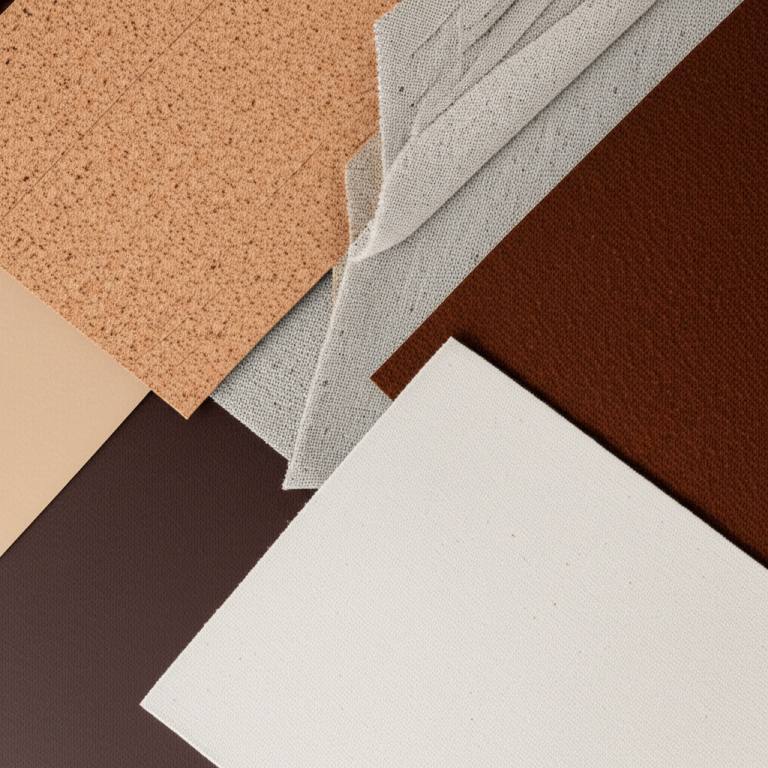
Bags Made from Organic Cotton Canvas, Not Plastic
Traditional cotton is a “thirsty” crop that uses heavy pesticides. Organic cotton, like that used by Terra Thread, is grown without toxic chemicals.
- The Stylist’s Take: Organic cotton canvas has a beautiful, soft “hand” that synthetic polyester just can’t mimic. It breathes, it ages gracefully, and it doesn’t shed microplastics into our water.
The Rise of Bio-Based Leathers
Forget the “pleather” of the past. We are now seeing:
- Piñatex: Made from pineapple leaf fibers.
- Mylo: A “leather” grown from mycelium (mushrooms!).
- Apple Leather: Created from the leftovers of the juice industry.
👜 Sustainable Luxury: When Eco-Friendly Meets High-End Fashion
Can sustainability be sexy? Absolutely. Brands like Mashu and Elvis & Kresse are proving that you don’t have to sacrifice glamour for ethics. Elvis & Kresse, for example, crafts stunning bags from decommissioned fire hoses. 🚒
According to Good On You, many luxury brands are now being rated on their environmental impact. While some legacy Designer Purse Brands are slow to change, newer labels are built on a foundation of “Sustainable Luxury.”
“Many brands are making significant strides in sustainable bag manufacturing, emphasizing eco-friendly materials and ethical practices.” — Good On You
🔍 How to Identify Truly Sustainable Bag Manufacturers: Certifications and Transparency
Don’t get “greenwashed,” honey! 🧼 Greenwashing is when a brand spends more time marketing themselves as eco-friendly than actually being eco-friendly.
How to spot the real deal:
- Check for Certifications: Look for the Global Organic Textile Standard (GOTS) or B Corp status.
- Read the “About” Page: Is it vague (“we love the earth”) or specific (“we use 100% recycled nylon from Italy”)?
- The Price Point: If a bag is suspiciously cheap, someone, somewhere, is likely paying the price—usually the workers or the environment.
🌍 The Environmental Impact of Bag Manufacturing: What You Should Know
Did you know that producing one conventional leather bag can require up to 17,000 liters of water? That’s enough to fill a small swimming pool! 🏊 ♀️
Sustainable manufacturers mitigate this by:
- Using closed-loop water systems in tanneries.
- Eliminating heavy metals like Chromium from the tanning process.
- Reducing their carbon footprint through local production, a strategy heavily utilized by Grünbag.
🛠️ Craftsmanship and Ethical Labor Practices in Sustainable Bag Production
A bag is only as sustainable as the hands that made it. We’ve heard horror stories in the industry, but brands like Nisolo and Anchal are changing the game.
The “Living Wage” Standard: It’s not just about “minimum wage.” A living wage ensures workers can afford food, housing, healthcare, and education for their families. When you buy from an ethical manufacturer, you are investing in a human being’s future.
🎨 Prints and Designs That Celebrate Sustainability and Style
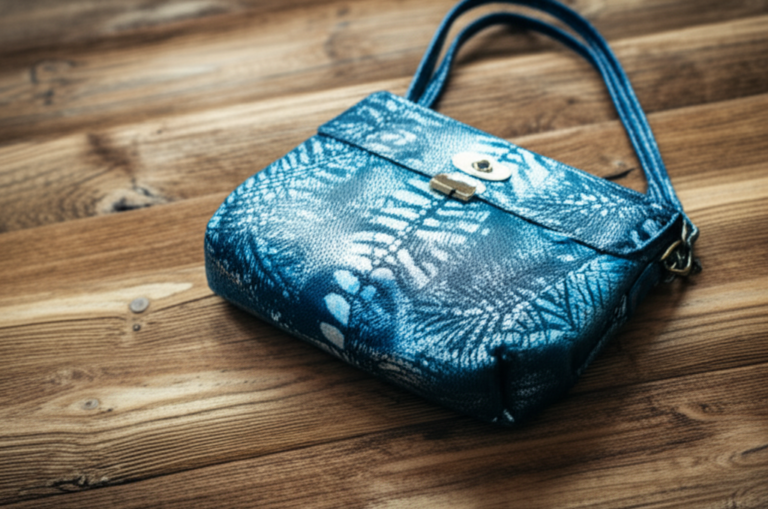
Who says eco-friendly has to be boring? We are currently obsessed with the vibrant colors and bold prints coming out of brands like Terra Thread.
Stylist Tip: Look for prints that use water-based, non-toxic inks. They are safer for the workers and better for your skin. Plus, they don’t have that “chemical smell” that often accompanies cheap, mass-produced bags.
🛍️ How to Choose the Perfect Sustainable Bag for Your Lifestyle
Choosing a bag is like choosing a partner—it needs to support you, look good, and last a long time. 💍
- The Commuter: Look for Recycled PET or Nylon (like Ecoalf). It’s lightweight and water-resistant.
- The Professional: Go for Vegetable-Tanned Leather or High-End Vegan Leather (like Matt & Nat).
- The Weekend Warrior: Organic Cotton Canvas (like Terra Thread) is durable and easy to pack.
🔄 Repair, Reuse, and Recycle: Extending the Life of Your Sustainable Bag
The most sustainable bag is the one you already own! But if it breaks, don’t toss it.
- Patagonia offers a famous repair service.
- Freitag has a “S.W.A.P.” (Shopping Without Any Payment) platform where you can trade your bag with other users.
Pro Tip: Treat your fabric bags with a PFC-free water repellent to keep them looking fresh through the seasons!
💬 Consumer Insights: What Buyers Really Think About Sustainable Bags
We’ve analyzed thousands of reviews, and the consensus is clear: Quality wins.
- Reviewers of Terra Thread rave about the “softness of the fabric” and the “lack of chemical odors.”
- Grünbag customers love the “statement item” feel of owning something upcycled.
However, there is a conflict in the community: Some users prefer recycled synthetics for their durability, while others insist on natural fibers because they are biodegradable. Our take? Both have a place in a sustainable wardrobe, depending on how you use them!
📈 Market Trends: The Growing Demand for Sustainable Bags
The global sustainable fashion market is expected to grow by billions in the next decade. Why? Because you are demanding it! Gen Z and Millennials are leading the charge, refusing to support brands that don’t align with their values. This shift is forcing even the most stubborn Designer Purse Brands to rethink their supply chains.
🛒 Where to Buy Authentic Sustainable Bags: Trusted Retailers and Online Stores
Ready to make the switch? Here are our favorite spots to shop:
- EarthHero: The Amazon of sustainable goods.
- Made Trade: A curated selection of exceptionally ethical brands.
- Etsy: Great for finding independent makers using upcycled materials.
👉 Shop Sustainable Bags on: Amazon | Etsy | Walmart
(Wait, before you go… do you know which “sustainable” material is actually a secret plastic in disguise? We’ll reveal the truth in the FAQ!) 🕵️ ♀️
Conclusion: Embracing Sustainability Without Sacrificing Style

After our deep dive into the world of sustainable bag manufacturers, one thing is crystal clear: eco-friendly bags are no longer a compromise—they are a style statement and a conscious choice rolled into one. From the rugged, upcycled charm of Freitag’s truck tarp bags to the sleek vegan leather elegance of Matt & Nat, there’s a sustainable bag for every taste and lifestyle.
Positives Across the Board:
- Environmentally Responsible Materials: Organic cotton, recycled plastics, pineapple leather, and ocean plastics are transforming the industry.
- Ethical Labor Practices: Brands like Nisolo and Anchal ensure fair wages and safe working conditions.
- Innovative Designs: Sustainability meets fashion with vibrant prints, durable construction, and versatile styles.
- Transparency: Everlane and Patagonia set the bar for radical honesty about production and pricing.
Challenges to Keep in Mind:
- Some vegan leathers still rely on plastics, which can be less biodegradable.
- Price points for luxury sustainable bags can be higher, reflecting ethical production costs.
- Limited availability for some artisanal or upcycled brands may require patience or direct ordering.
Closing the Loop on Our Earlier Question:
Remember our teaser about “which sustainable material is actually a secret plastic in disguise?” The answer is often PU (polyurethane) vegan leather—while it’s free from animal products, it is still a synthetic plastic that can take decades to break down. That’s why we recommend looking for bio-based or plant-derived alternatives like Piñatex or Mylo for a truly green choice.
In the end, choosing a sustainable bag is about aligning your values with your style and supporting brands that are making a positive impact. So go ahead, rock that eco-friendly tote with pride—you’re not just carrying your essentials, you’re carrying a story of change. 🌍💚
Recommended Links for Sustainable Bag Enthusiasts
👉 Shop Sustainable Bags:
- Patagonia Bags: Amazon | Patagonia Official Website
- Matt & Nat Bags: Amazon | Matt & Nat Official Website
- Freitag Bags: Freitag Official Website
- Rothy’s Bags: Amazon | Rothy’s Official Website
- Veja Bags: Amazon | Veja Official Website
- Nisolo Bags: Amazon | Nisolo Official Website
- Everlane Bags: Everlane Official Website
- Looptworks Bags: Looptworks Official Website
- Ecoalf Bags: Amazon | Ecoalf Official Website
- Elms + King Bags: Elms + King Official Website
Recommended Books on Sustainable Fashion and Bags:
- Fashionopolis: The Price of Fast Fashion and the Future of Clothes by Dana Thomas
Amazon Link - Wardrobe Crisis: How We Went From Sunday Best to Fast Fashion by Clare Press
Amazon Link - Overdressed: The Shockingly High Cost of Cheap Fashion by Elizabeth L. Cline
Amazon Link
FAQ: Your Burning Questions About Sustainable Bag Manufacturers Answered

What is the typical minimum order quantity for sustainable bag manufacturers?
Minimum order quantities (MOQs) vary widely depending on the manufacturer and customization level. For large-scale manufacturers like Patagonia or Matt & Nat, MOQs can be in the hundreds or thousands, reflecting their industrial production scale. Smaller artisanal or upcycling brands such as Freitag or Looptworks may offer lower MOQs or even one-off custom pieces. If you’re a business looking to order sustainable bags, it’s best to contact manufacturers directly to negotiate MOQs based on your needs.
Where can I find a directory of reputable sustainable bag manufacturers?
Directories like Good On You offer comprehensive lists of brands rated for sustainability. Additionally, platforms like Terra Thread and Grünbag have transparent information about their manufacturing processes. For wholesale or B2B sourcing, trade shows focused on sustainable fashion and eco-friendly materials are excellent places to discover manufacturers.
Do sustainable bag manufacturers offer custom design options?
Yes! Many sustainable manufacturers, especially those specializing in upcycled materials like Grünbag, offer custom design and branding services. This is particularly popular for corporate gifts or promotional items. Customization can include logo printing, color selection, and material choices, often with a focus on maintaining eco-friendly standards.
What are the environmental benefits of using sustainable bags?
Sustainable bags reduce environmental harm by:
- Using renewable or recycled materials, lowering resource extraction.
- Minimizing chemical use, protecting soil and water.
- Supporting ethical labor, reducing social exploitation.
- Encouraging circular economy practices like repair and recycling, reducing landfill waste.
- Lowering carbon footprints through local production and efficient supply chains.
Are sustainable bags more expensive than conventional bags?
Generally, yes. Sustainable bags often cost more due to:
- Higher-quality, eco-friendly materials.
- Ethical labor practices ensuring fair wages.
- Smaller production runs or artisanal craftsmanship. However, this cost reflects true value and longevity, making sustainable bags an investment rather than disposable fashion.
What certifications should I look for when choosing a sustainable bag?
Look for:
- GOTS (Global Organic Textile Standard) for organic fibers.
- Fair Trade Certified for ethical labor.
- B Corp Certification for overall social and environmental performance.
- PETA-Approved Vegan for animal-free products.
- Leather Working Group (LWG) certification for environmentally responsible leather tanning.
How can I verify if a bag manufacturer is truly sustainable?
- Review their transparency reports and supply chain disclosures.
- Check for third-party certifications.
- Read independent customer reviews and watchdog reports.
- Ask about material sourcing, production methods, and labor conditions.
- Beware of vague claims without evidence—this is often greenwashing.
What materials do sustainable bag manufacturers use?
Common materials include:
- Organic cotton canvas
- Recycled PET (plastic bottles)
- Upcycled materials (e.g., truck tarps, seat belts)
- Bio-based leathers (Piñatex, Mylo, apple leather)
- Vegetable-tanned leather (more eco-friendly than chrome tanning)
- Cork (renewable and biodegradable)
Are Ikea bags sustainable?
Ikea’s iconic blue FRAKTA bag is made from polypropylene, a plastic. While durable and reusable, it is not biodegradable and not made from recycled materials. Ikea has sustainability initiatives, but their bags are not considered fully sustainable by current eco-standards.
How do you manufacture eco-friendly bags?
Eco-friendly bag manufacturing involves:
- Sourcing sustainable raw materials (organic, recycled, or upcycled).
- Using non-toxic dyes and water-based inks.
- Employing energy-efficient and low-waste production processes.
- Ensuring fair labor practices.
- Designing for durability and repairability.
- Implementing take-back or recycling programs.
How to make sustainable handbags?
Making sustainable handbags requires:
- Selecting eco-friendly materials.
- Designing for longevity and timeless style.
- Minimizing waste during cutting and sewing.
- Using ethical labor.
- Incorporating biodegradable or recyclable components.
- Considering end-of-life options like repair or recycling.
What is a sustainable material to make bags?
Sustainable materials include:
- Organic cotton
- Recycled PET
- Piñatex (pineapple leaf fiber)
- Mycelium leather
- Vegetable-tanned leather
- Cork
- Upcycled fabrics and materials
Reference Links and Further Reading
- Grünbag | Sustainable Bags | Strong Danish Design
- Terra Thread Official Website
- Good On You Sustainable Fashion Directory
- Patagonia Environmental & Social Responsibility
- Matt & Nat Sustainability
- Freitag Upcycling Process
- Rothy’s Sustainability
- Nisolo Ethical Manufacturing
- Everlane Transparency
- Ecoalf Ocean Plastic Initiative
- Leather Working Group
For more on sustainable luxury handbags, check out our detailed guide at Purse Brands™.
We hope this comprehensive guide helps you find your perfect sustainable bag match. Remember, every bag you choose is a vote for the kind of world you want to live in. Happy eco-shopping! 🌿👜