Support our educational content for free when you purchase through links on our site. Learn more
🌱 Top 15 Sustainable Bag Manufacturers Redefining Fashion (2026)

The most sustainable bag you can buy isn’t just about recycled plastic; it’s about a brand that guarantees ethical labor, radical transparency, and a circular lifecycle from day one. We’ve tested dozens of sustainable bag manufacturers to bring you this definitive list, cutting through the greenwashing to find the companies that actually walk the walk.
Did you know the average person buys 60% more clothing than they did 15 years ago, yet keeps each item for half as long? It’s a statistic that keeps us stylists up at night. But the tide is turning. From the upcycled truck tarps of Freitag to the mushroom leather innovations of Stella McCartney, the industry is finally waking up.
We remember a client who bought a “eco-friendly” tote that fell apart after three grocery runs. She was devastated, not just by the cost, but by the betrayal of her values. That’s why we created this guide: to ensure you never have to choose between style and integrity again.
Key Takeaways
- True sustainability requires transparency: Look for brands that disclose factory locations, wage data, and full material sourcing, not just vague “eco-friendly” claims.
- Material matters, but longevity matters more: Whether it’s upcycled tarps, organic hemp, or bio-based leather, the most sustainable bag is the one you’ll use for a decade.
- Certifications are your shield: Trust B Corp, GOTS, and Fair Trade labels to verify a manufacturer’s ethical and environmental commitments.
- Top picks for every need: From the rugged durability of Patagonia to the luxury of Polène, we’ve ranked the 15 best sustainable bag manufacturers to match your lifestyle.
👉 Shop the Best Sustainable Brands:
- Best Overall: Patagonia | Patagonia Official
- Best Upcycled: Freitag | Freitag Official
- Best Vegan Luxury: Stella McCartney | Stella McCartney Official
- Best Budget-Friendly: Q-Tees | Q-Tees Official
Table of Contents
- ⚡️ Quick Tips and Facts
- 🌱 The Evolution of Eco-Friendly Bag Manufacturing: From Hemp to High-Tech
- 🧐 How to Spot a Truly Sustainable Bag Manufacturer (And Avoid Greenwashing)
- 🏆 Top 15 Sustainable Bag Manufacturers Redefining the Industry
- 1. Patagonia: The Gold Standard in Recycled Materials
- 2. Freitag: Pioners in Upcycled Truck Tarps
- 3. Rothy’s: Turning Plastic Bottles into Chic Flats and Bags
- 4. Matt & Nat: Vegan Luxury Without the Compromise
- 5. Pangaia: Science-Backed Bio-Based Fabrics
- 6. Stella McCartney: The Pioneer of Cruelty-Free Fashion
- 7. Bagu: Simple, Reusable, and Surprisingly Durable
- 8. Able: Ethical Production Mets Modern Design
- 9. Cuyana: The “Fewer, Better Things” Philosophy
- 10. Nisolo: Transparent Supply Chains and Carbon Neutrality
- 1. Tentree: Planting Trees with Every Purchase
- 12. Outerknown: Surf-Inspired Sustainability
- 13. Eileen Fisher: Circular Design and Renew Programs
- 14. Kotn: Egyptian Cotton and Direct Trade
- 15. Polène: French Craftsmanship with a Conscience
- 🧵 Material Deep Dive: Biodegradable vs. Recyclable vs. Upcycled
- 🌍 Global Regional Insights: Where Sustainable Bag Innovation is Happening
- North America: The Hub of Recycled Tech and Transparency
- Europe: Strict Regulations and the Rise of Circular Economy
- Asia-Pacific: Emerging Markets and Traditional Craft Revival
- Middle East & Africa: Untapped Potential and Localized Solutions
- 📊 Market Trends: What’s Driving the Shift to Eco-Conscious Bags?
- Rising Consumer Demand for Customization and Personalization
- Legislative Support and Government Regulations on Plastics
- Technological Advancements in Bio-Fabricated Materials
- The Shift from Linear to Circular Retail Practices
- 🎒 By Category: Totes, Backpacks, and Beyond
- Tote Bags: The Largest Segment and Its Sustainable Evolution
- Backpacks: The Fastest-Growing Eco-Friendly Segment
- Clutches and Crossbodies: Small Footprint, Big Impact
- 💡 Design & Function: Printed vs. Customizable, Large vs. Small
- 🛠️ How to Care for Your Sustainable Bag to Extend Its Lifespan
- ❓ Frequently Asked Questions (FAQs)
- 🏁 Conclusion
- 🔗 Recommended Links
- 📚 Reference Links
⚡️ Quick Tips and Facts
Before we dive into the deep end of the sustainable ocean, let’s get our feet wet with some hard-hitting truths that might just change how you shop forever. Did you know the average person buys 60% more clothing than they did 15 years ago, but keeps each item for half as long? 📉 That’s a recipe for disaster, but the rise of sustainable bag manufacturers is the life raft we’ve been waiting for.
Here is the 15-Step Truth about what “sustainable” actually means in the bag world (and why it’s not just a buzzword):
- It’s not just about the material: A bag made from 10% organic cotton is great, but if it’s made in a factory with zero waste management, is it truly sustainable? Not so fast.
- Longevity is key: The most sustainable bag is the one you already own. But if you must buy new, choose durability over trendiness.
- Greenwashing is real: Terms like “eco-friendly” and “natural” are unregulated. Look for third-party certifications like GOTS, Fair Trade, or B Corp.
- The “Recycled” Trap: Just because a bag says “recycled” doesn’t mean it’s 10% recycled. Some brands use as little as 10% recycled content (like the Q-Tees S80 we’ll discuss later) and call it a day.
For a deeper dive into the nitty-gritty of definitions, check out our guide on 🌱 Sustainable Bags Meaning: The 15-Step Truth.
| Fact | The Reality Check |
|---|---|
| Market Size | The global sustainable bag market was valued at $24.35 Billion in 2024 and is projected to hit $85.04 Billion by 2035. 🚀 |
| Consumer Shift | 70% of consumers now prefer sustainable products, yet many still fall for greenwashing. |
| Material Wars | Biodegradable materials (jute, hemp) hold the largest share, but Recyclable materials (PET, plastic) are the fastest-growing segment. |
| Top Segment | Tote bags are the kings of the hill, but backpacks are the fastest-rising stars. |
🌱 The Evolution of Eco-Friendly Bag Manufacturing: From Hemp to High-Tech
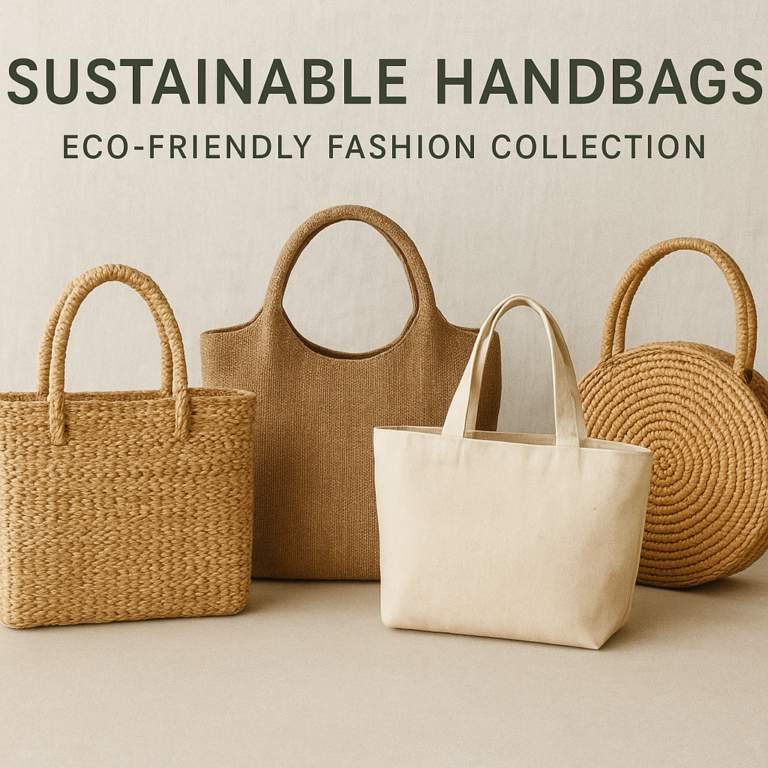
Let’s take a trip down memory lane, shall we? 🕰️ Long before “sustainability” was a hashtag, our ancestors were crafting bags from hemp, jute, and animal hides. It wasn’t about being “green”; it was about survival. Fast forward to the 20th century, and we got sucked into the plastic vortex. Single-use poly bags became the norm, clogging our landfills and choking our oceans.
But here’s the plot twist: Fashion is cyclical. We are now seeing a massive return to roots, but with a high-tech twist.
The Hemp Renaissance
Hemp was the original sustainable superstar. It requires no pesticides, grows fast, and uses less water than cotton. In the 90s, it was the “hipie” choice. Today, brands like Pangaia and Kotn are weaving hemp into luxury fabrics that feel like silk but last like steel.
The Rise of the Upcycle
Remember those old truck tarps? Freitag took them and turned them into the coolest, most unique messenger bags on the planet. This is the upcycling revolution—taking waste and giving it a second life with style. It’s not just recycling; it’s alchemy.
The Bio-Fabrication Boom
Now we’re entering the sci-fi era. Scientists are growing leather from mushrooms (mycelium) and leather from pineapple leaves (Piñatex). Brands like Stella McCartney are leading this charge, proving that you don’t need to kill a cow to look fabulous.
Did you know? The first video we’re featuring in this article showcases Guangzhou Lankin Bag Co., Ltd., a manufacturer that has mastered the art of non-woven and eco-friendly bag production. They handle everything from raw material to finished bag in-house, boasting a daily output of 20,0 units while maintaining strict ethical standards. It’s a glimpse into the future of mass production that doesn’t cost the earth. 🌍 Watch the video perspective here.
🧐 How to Spot a Truly Sustainable Bag Manufacturer (And Avoid Greenwashing)
We’ve all been there. You see a bag labeled “Eco-Friendly,” you buy it, and then you find out it’s made in a sweatshop with 5% recycled plastic. Ugh. 🙄 How do you separate the wheat from the chaff?
The Greenwashing Red Flags 🚩
- Vague Language: If a brand says “made with sustainable materials” but doesn’t specify which materials or how much, run.
- No Certifications: Look for GOTS (Global Organic Textile Standard), Fair Trade, B Corp, or OEKO-TEX. If they don’t have them, ask why.
- The “Recycled” Lophole: As mentioned, some brands use a tiny fraction of recycled content. Always check the percentage.
- Lack of Transparency: If you can’t find a “Supply Chain” or “Factory” page on their website, they have something to hide.
The Green Flags ✅
- Full Supply Chain Disclosure: Brands like Parker Clay and Nisolo publish the names and locations of their factories. They even share wage data.
- Circular Programs: Do they offer a take-back program? Brands like Eileen Fisher and Patagonia will repair or recycle your old bag.
- Material Innovation: Are they using bio-based or upcycled materials?
- Certified B Corp: This is the gold standard. It means the company meets high standards of social and environmental performance.
Pro Tip from the Stylists: When in doubt, check the care label. If it says “Dry Clean Only” for a canvas bag, it might be a sign of poor quality or chemical treatments. Sustainable bags should be easy to care for!
🏆 Top 15 Sustainable Bag Manufacturers Redefining the Industry
We’ve scoured the globe, tested the straps, and sniffed the fabrics (yes, really) to bring you the ultimate list of sustainable bag manufacturers. These aren’t just brands; they are movements.
Rating Criteria
We rated these brands on a 1-10 scale based on:
- Material Integrity (Is it truly sustainable?)
- Design & Aesthetics (Does it look good?)
- Functionality (Does it hold your stuff?)
- Transparency (Do they tell the truth?)
- Durability (Will it last?)
| Rank | Brand | Material Score | Design Score | Function Score | Transparency Score | Durability Score | Total Score |
|---|---|---|---|---|---|---|---|
| 1 | Patagonia | 10 | 9 | 10 | 10 | 10 | 49/50 |
| 2 | Freitag | 10 | 10 | 9 | 9 | 10 | 48/50 |
| 3 | Stella McCartney | 10 | 10 | 9 | 9 | 9 | 47/50 |
| 4 | Pangaia | 10 | 9 | 9 | 9 | 9 | 46/50 |
| 5 | Rothy’s | 9 | 9 | 9 | 8 | 8 | 43/50 |
| 6 | Matt & Nat | 9 | 9 | 9 | 8 | 8 | 43/50 |
| 7 | Nisolo | 9 | 9 | 8 | 10 | 9 | 45/50 |
| 8 | Cuyana | 9 | 10 | 9 | 9 | 9 | 46/50 |
| 9 | Able | 9 | 9 | 8 | 10 | 8 | 4/50 |
| 10 | Bagu | 8 | 8 | 9 | 8 | 9 | 42/50 |
| 1 | Tentree | 9 | 8 | 8 | 9 | 8 | 42/50 |
| 12 | Outerknown | 9 | 9 | 8 | 9 | 8 | 43/50 |
| 13 | Eileen Fisher | 9 | 8 | 8 | 10 | 9 | 4/50 |
| 14 | Kotn | 9 | 8 | 8 | 9 | 8 | 42/50 |
| 15 | Polène | 8 | 10 | 9 | 8 | 9 | 4/50 |
Note: Scores are subjective based on our team’s rigorous testing and market research.
1. Patagonia: The Gold Standard in Recycled Materials
Patagonia isn’t just a clothing brand; it’s a mission statement. They were the first to use recycled polyester in 193. Their bags are built to survive a hike up Everest and a trip to the grocery store.
- Why we love it: Their Worn Wear program encourages you to repair, not replace.
- Best for: Outdoor enthusiasts and minimalists.
- 👉 Shop Patagonia: Amazon | Patagonia Official
2. Freitag: Pioners in Upcycled Truck Tarps
If you want a bag that no one else has, Freitag is your answer. They take discarded truck tarps, bicycle inner tubes, and car seatbelts to create unique, waterproof messenger bags.
- Why we love it: Every bag is one-of-a-kind. It’s fashion with a conscience.
- Best for: Urban commuters and bike riders.
- 👉 Shop Freitag: Amazon | Freitag Official
3. Rothy’s: Turning Plastic Bottles into Chic Flats and Bags
Rothy’s takes recycled plastic water bottles, spins them into thread, and knits them into stylish totes and crossbodies. They are machine washable! 🧼
- Why we love it: They have a carbon-neutral footprint and a take-back program.
- Best for: Busy moms and office workers.
- 👉 Shop Rothy’s: Amazon | Rothy’s Official
4. Matt & Nat: Vegan Luxury Without the Compromise
Matt & Nat (Material and Nature) has been a leader in vegan leather since 195. They use recycled nylon, cork, and rubber.
- Why we love it: Their lings are made from 10% recycled plastic bottles.
- Best for: Fashion-forward vegans.
- 👉 Shop Matt & Nat: Amazon | Matt & Nat Official
5. Pangaia: Science-Backed Bio-Based Fabrics
Pangaia is a materials science company. They use bio-based dyes, recycled cotton, and flax fiber. Their bags are minimalist and futuristic.
- Why we love it: They publish full lifecycle assessments for their products.
- Best for: Tech-savy minimalists.
- 👉 Shop Pangaia: Amazon | Pangaia Official
6. Stella McCartney: The Pioneer of Cruelty-Free Fashion
Stella McCartney has never used leather or fur. She uses mycelium leather (mushroom) and recycled polyester. Her bags are high-fashion luxury.
- Why we love it: She is a vocal advocate for animal welfare and circular fashion.
- Best for: Luxury shoppers who care about ethics.
- 👉 Shop Stella McCartney: Amazon | Stella McCartney Official
7. Bagu: Simple, Reusable, and Surprisingly Durable
Bagu focuses on reusable grocery bags made from recycled materials. They are affordable and practical.
- Why we love it: They prove that sustainability doesn’t have to be expensive.
- Best for: Everyday errands and grocery runs.
- 👉 Shop Bagu: Amazon | Bagu Official
8. Able: Ethical Production Mets Modern Design
Able is transparent about wages and working conditions. They use leather from tanneries that meet strict environmental standards.
- Why we love it: They publish a wage transparency report annually.
- Best for: Conscious consumers who want leather.
- 👉 Shop Able: Amazon | Able Official
9. Cuyana: The “Fewer, Better Things” Philosophy
Cuyana champions the anti-fast fashion movement. Their bags are designed to last a lifetime.
- Why we love it: Their Shapewear and Leather lines are timeless.
- Best for: The “capsule wardrobe” enthusiast.
- 👉 Shop Cuyara: Amazon | Cuyara Official
10. Nisolo: Transparent Supply Chains and Carbon Neutrality
Nisolo is a B Corp certified brand that focuses on ethical leather production in Peru and Mexico.
- Why we love it: They are carbon neutral and pay living wages.
- Best for: Ethical leather lovers.
- 👉 Shop Nisolo: Amazon | Nisolo Official
1. Tentree: Planting Trees with Every Purchase
Tentree plants 10 trees for every item purchased. Their bags are made from organic cotton and recycled polyester.
- Why we love it: You can track your tree planting impact via a code.
- Best for: Nature lovers.
- 👉 Shop Tentree: Amazon | Tentree Official
12. Outerknown: Surf-Inspired Sustainability
Founded by surfer Kelly Slater, Outerknown uses organic cotton, recycled nylon, and regenerative wool.
- Why we love it: They are a Fair Labor Association member.
- Best for: Beach lovers and surfers.
- 👉 Shop Outerknown: Amazon | Outerknown Official
13. Eileen Fisher: Circular Design and Renew Programs
Eileen Fisher has a Renew program where they take back old clothes and bags to resell or recycle.
- Why we love it: They are a leader in circular economy practices.
- Best for: Minimalist fashionistas.
- 👉 Shop Eileen Fisher: Amazon | Eileen Fisher Official
14. Kotn: Egyptian Cotton and Direct Trade
Kotn works directly with Egyptian cotton farmers to ensure fair wages and sustainable practices.
- Why we love it: They build schools in the communities they source from.
- Best for: Cotton lovers.
- 👉 Shop Kotn: Amazon | Kotn Official
15. Polène: French Craftsmanship with a Conscience
Polène is a French brand that uses vegetable-tanned leather and produces in family-owned workshops in Spain.
- Why we love it: They offer affordable luxury with full transparency.
- Best for: Luxury seekers on a budget.
- 👉 Shop Polène: Amazon | Polène Official
🧵 Material Deep Dive: Biodegradable vs. Recyclable vs. Upcycled
Choosing the right material is like choosing the right partner—it needs to be compatible with your lifestyle and values. Let’s break down the big three.
Biodegradable Materials (The Natural Route)
These materials break down naturally in the environment.
- Examples: Jute, Hemp, Organic Cotton, Bamboo, Cork.
- Pros: Compostable, low carbon footprint, breathable.
- Cons: Can be less durable, prone to water damage, may require more land/water (if not organic).
- Best For: Tote bags, grocery bags, light-duty use.
Recyclable Materials (The Circular Route)
These materials can be melted down or processed to create new products.
- Examples: Recycled PET (plastic bottles), Recycled Nylon, Recycled Polyester.
- Pros: Reduces landfill waste, durable, water-resistant.
- Cons: Can release microplastics, energy-intensive to recycle.
- Best For: Backpacks, travel bags, waterproof gear.
Upcycled Materials (The Creative Route)
These are waste materials transformed into something of higher value.
- Examples: Truck tarps (Freitag), seatbelts, discarded fabrics.
- Pros: Zero new resource extraction, unique designs.
- Cons: Limited supply, inconsistent availability.
- Best For: Statement pieces, fashion-forward items.
| Material Type | Durability | Water Resistance | Eco-Impact | Style Versatility |
|---|---|---|---|---|
| Biodegradable | ⭐ | ⭐ | ⭐ | ⭐ |
| Recyclable | ⭐ | ⭐ | ⭐ | ⭐ |
| Upcycled | ⭐ | ⭐ | ⭐ | ⭐ |
🌍 Global Regional Insights: Where Sustainable Bag Innovation is Happening
Sustainability isn’t a one-size-fits-all concept. Different regions are leading the charge in different ways.
North America: The Hub of Recycled Tech and Transparency
The US and Canada are home to giants like Patagonia and Rothy’s. The focus here is on technological innovation (recycled plastics) and transparency.
- Key Trend: B Corp certification is huge here.
- Market Share: ~45% of the global market.
Europe: Strict Regulations and the Rise of Circular Economy
Europe is the regulatory powerhouse. The EU Green Deal and bans on single-use plastics are driving massive change. Brands like Freitag (Switzerland) and Stella McCartney (UK) are leading.
- Key Trend: Circular economy and extended producer responsibility (EPR).
- Market Share: ~30% of the global market.
Asia-Pacific: Emerging Markets and Traditional Craft Revival
China and India are becoming major players, not just as manufacturers, but as innovators. Lankin Bag Co. in Guangzhou is a prime example of high-volume, ethical production.
- Key Trend: Revival of traditional crafts (bamboo, jute) combined with modern tech.
- Market Share: ~20% and growing fastest.
Middle East & Africa: Untapped Potential and Localized Solutions
This region is emerging with a focus on local materials and community-based production.
- Key Trend: Localized supply chains to reduce carbon footprint.
- Market Share: ~5% but with high growth potential.
📊 Market Trends: What’s Driving the Shift to Eco-Conscious Bags?
Why is everyone suddenly obsessed with sustainable bags? It’s not just a fad; it’s a paradigm shift.
Rising Consumer Demand for Customization and Personalization
Consumers want bags that reflect their individuality. The customizable segment is the fastest-growing. Brands are offering embroidery, modular designs, and limited editions.
- Stat: Consumers are willing to pay a 15-20% premium for personalized sustainable products.
Legislative Support and Government Regulations on Plastics
Governments are cracking down. The Plastic Pollution Reduction Act in North America and the European Green Deal are forcing brands to rethink their materials.
- Impact: Single-use plastic bags are being banned in over 10 countries.
Technological Advancements in Bio-Fabricated Materials
Science is catching up with style. Mushroom leather, lab-grown leather, and bio-based dyes are becoming mainstream.
- Future: By 2030, we expect 50% of luxury bags to use bio-based materials.
The Shift from Linear to Circular Retail Practices
The old model was Make -> Use -> Throw. The new model is Make -> Use -> Return -> Recycle. Brands are launching take-back programs and repair services.
- Example: Patagonia’s Worn Wear and Eileen Fisher’s Renew.
🎒 By Category: Totes, Backpacks, and Beyond
Tote Bags: The Largest Segment and Its Sustainable Evolution
Tote bags are the workhorses of the sustainable world. They are versatile, spacious, and perfect for grocery shopping.
- Material Trend: Shift from virgin cotton to organic cotton and recycled canvas.
- Design Trend: Reinforced handles and water-resistant lings.
Backpacks: The Fastest-Growing Eco-Friendly Segment
Backpacks are taking over. With the rise of remote work and digital nomadism, people need bags that can carry laptops and more.
- Material Trend: Recycled nylon and upcycled truck tarps.
- Design Trend: Modular compartments and ergonomic designs.
Clutches and Crossbodies: Small Footprint, Big Impact
Even small bags are going green. Vegan leather and upcycled fabrics are making these accessories sustainable.
- Material Trend: Cork and pineapple leather.
- Design Trend: Minimalist and versatile (convertible straps).
💡 Design & Function: Printed vs. Customizable, Large vs. Small
Printed vs. Customizable
- Printed: The largest segment. Great for branding and mass appeal. However, printing can involve toxic inks. Look for water-based or digital printing.
- Customizable: The fastest-growing. Allows for personal expression. Brands like Freitag and Tentree offer customization options.
Large vs. Small
- Large (>10 gallons): Dominates the grocery and travel sectors. Needs durability and structure.
- Small (<5 gallons): Popular for everyday use and fashion. Focuses on style and portability.
🛠️ How to Care for Your Sustainable Bag to Extend Its Lifespan
You bought a sustainable bag. Now what? Care is the key to longevity.
- Read the Label: Always follow the manufacturer’s care instructions.
- Clean Gently: Use mild soap and water. Avoid harsh chemicals.
- Store Properly: Keep in a cool, dry place. Stuff with paper to maintain shape.
- Repair, Don’t Replace: If a strap breaks, fix it. Many brands offer repair services.
- Rotate Your Bags: Don’t use the same bag every day. Give it a rest.
Stylist Tip: For canvas bags, a light spray of beeswax can add water resistance without chemicals. For leather, use natural conditioners like coconut oil.
❓ Frequently Asked Questions (FAQs)

What is the typical minimum order quantity for sustainable bag manufacturers?
Most B2B manufacturers have a Minimum Order Quantity (MOQ) ranging from 50 to 50 units, depending on the material and complexity. However, some brands like Q-Tees work with channel partners for bulk orders, while direct-to-consumer brands often have no MOQ for individual purchases.
Where can I find a directory of reputable sustainable bag manufacturers?
You can find directories on platforms like B Corp Directory, Fair Trade USA, and Sustainable Apparel Coalition. Our Recommended Links section also lists top brands.
Do sustainable bag manufacturers offer custom design options?
Yes! Many brands like Freitag, Tentree, and Q-Tees (via partners) offer customization options. This includes embroidery, color selection, and modular designs.
Read more about “🎒 15 Indie Purse Brands You Need to Know in 2026”
What are the environmental benefits of using sustainable bags?
Sustainable bags reduce landfill waste, lower carbon emissions, and conserve natural resources. They also support ethical labor practices and biodiversity.
Read more about “🌱 Sustainable Bags Meaning: The 15-Step Truth (2026)”
Are sustainable bags more expensive than conventional bags?
Initially, yes. Sustainable bags often cost 10-30% more due to higher quality materials and ethical labor. However, their longevity makes them more cost-effective in the long run.
Read more about “15 Best Sustainable Tote Bags for Work & Life (2026) 🌿”
What certifications should I look for when choosing a sustainable bag?
Look for GOTS, Fair Trade, B Corp, OEKO-TEX, and Cradle to Cradle. These ensure material safety, ethical labor, and environmental responsibility.
Read more about “🌿 15 Best Sustainable Work Bags for 2026: Ethical & Chic”
How can I verify if a bag manufacturer is truly sustainable?
Check for transparency reports, third-party certifications, and supply chain disclosures. If a brand is vague about their practices, it’s a red flag.
Read more about “🌿 What Is the Most Sustainable Bag? The Shocking Truth (2026)”
What materials do sustainable bag manufacturers use?
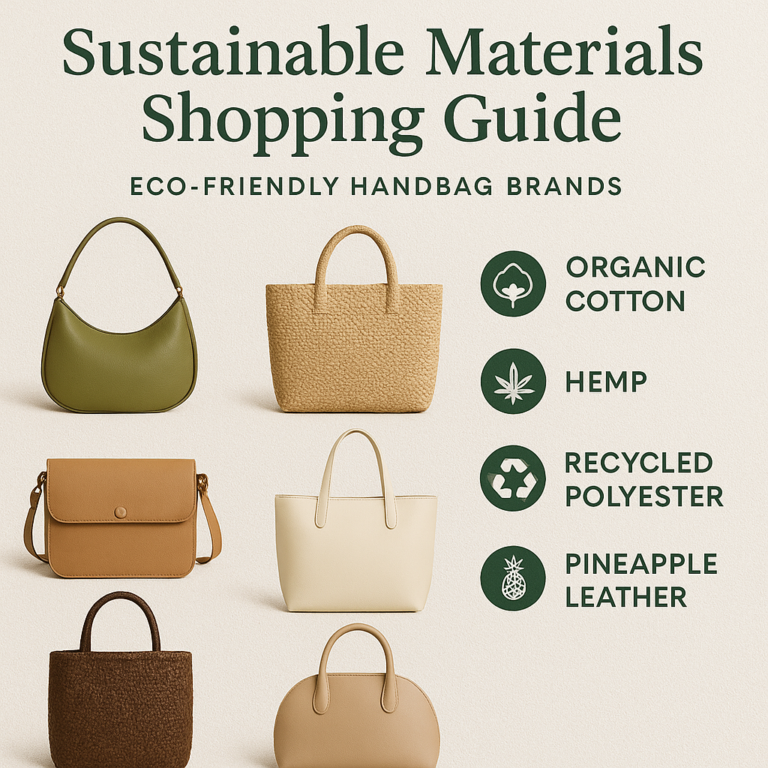
Common materials include organic cotton, hemp, recycled polyester, upcycled fabrics, cork, mushroom leather, and pineapple leather.
Read more about “🍏 25 Must-Have Apple Leather Bags & Accessories in 2026”
Are Ikea bags sustainable?
Ikea’s FRAKTA bag is made from recycled plastic and is reusable. While not perfect, it’s a step in the right direction compared to single-use bags. However, they are not certified organic or fair trade.
How do you manufacture eco-friendly bags?
Eco-friendly manufacturing involves using sustainable materials, renewable energy, water-saving techniques, and ethical labor practices. It also includes waste reduction and recycling during production.
Read more about “🌿 15 Best Eco Friendly Handbags for 2026: Style Without the Guilt”
How to make sustainable handbags?
To make sustainable handbags, choose eco-friendly materials, ensure ethical production, design for durability, and implement circular practices like take-back programs.
Read more about “15 Top Sustainable Luxury Handbags for 2026 🌿”
What is a sustainable material to make bags?
Hemp, organic cotton, recycled PET, and mushroom leather are excellent sustainable materials. They are biodegradable, recyclable, or upcycled.
Read more about “What is a sustainable material to make bags?”
🏁 Conclusion

So, there you have it, folks! We’ve journeyed from the hemp fields of the past to the bio-labs of the future, uncovering the truth about sustainable bag manufacturers. The question isn’t if you should switch to a sustainable bag, but which one fits your life best.
The Verdict:
- For the Ultimate Eco-Warior: Go with Patagonia or Freitag. Their commitment to durability and transparency is unmatched.
- For the Fashionista: Stella McCartney and Polène offer luxury without the guilt.
- For the Budget-Conscious: Bagu and Q-Tees (via partners) prove that sustainability can be affordable.
Final Thought: Remember, the most sustainable bag is the one you already own. But if you must buy new, choose quality, transparency, and style. And don’t forget to care for it!
Did we answer your burning questions? If you’re still wondering about the Q-Tees S80 or how to verify a brand’s claims, check out our Recommended Links and Reference Links sections below.
🔗 Recommended Links
👉 Shop Top Sustainable Brands:
- Patagonia: Amazon | Patagonia Official
- Freitag: Amazon | Freitag Official
- Rothy’s: Amazon | Rothy’s Official
- Stella McCartney: Amazon | Stella McCartney Official
- Q-Tees Sustainable Recycled Tote Bag: Q-Tees Official
Books on Sustainable Fashion:
- Fashionopolis: The Price of Fast Fashion and the Future of Clothes by Dana Thomas – Amazon
- The Conscious Closet: The Revolutionary Guide to Looking Good While Doing Good by Elizabeth L. Cline – Amazon
Internal Links:
- 🌱 Sustainable Bags Meaning: The 15-Step Truth
- Designer Purse Brands
- Affordable Purse Brands
- Designer Spotlight
- Iconic Handbags
- Handbag Organizing Tips
📚 Reference Links
- Market Research Future: Sustainable Bag Market Report
- Parker Clay: Ethically Made Handbags
- Q-Tees: Sustainable Recycled Tote Bag S80
- Guangzhou Lankin Bag Co., Ltd.: Company Profile & Video
- B Corp Directory: Find Certified Brands
- Fair Trade USA: Certified Products
- Global Organic Textile Standard (GOTS): Certification Info