Support our educational content for free when you purchase through links on our site. Learn more
What Is a Sustainable Bag? 🌿 Unlocking Eco-Friendly Style in 2026

Imagine carrying a bag that not only turns heads but also tells a story of care—care for the planet, for the people who made it, and for the future we all share. Sustainable bags aren’t just a passing trend; they’re a revolution in fashion that blends style, ethics, and environmental responsibility. Did you know the fashion industry accounts for nearly 10% of global carbon emissions? Choosing the right sustainable bag can be your personal contribution to shrinking that footprint.
In this article, we’ll unravel what truly makes a bag sustainable—from the materials like organic cotton and innovative vegan leathers to the ethical factories behind the scenes. Plus, we’ll share insider tips on spotting greenwashing, caring for your eco-friendly bag, and even upcycling ideas to give your old favorites a second life. Ready to carry more than just your essentials? Let’s dive in!
Key Takeaways
- Sustainable bags are defined by eco-friendly materials, ethical production, and durability, not just marketing buzzwords.
- Look for certifications like GOTS, Fair Trade, and B Corp to ensure genuine sustainability.
- Materials such as organic cotton, recycled polyester, hemp, and plant-based leathers lead the way in reducing environmental impact.
- Durability and repairability are crucial—long-lasting bags reduce waste and save money over time.
- Your purchase supports fair wages, safer working conditions, and community development globally.
- Caring properly for your sustainable bag extends its life and impact—think gentle cleaning, avoiding overload, and smart storage.
- Upcycling and recycling old bags keep materials in use and out of landfills, closing the sustainability loop.
Ready to find your perfect sustainable bag? Explore our expert-curated picks and start making a stylish impact today!
Table of Contents
- ⚡️ Quick Tips and Facts About Sustainable Bags
- 🌿 The Eco-Friendly Evolution: How Sustainable Bags Came to Be
- 🎒 What Makes a Bag Truly Sustainable? Materials, Manufacturing & More
- 🌍 Why Sustainable Bags Matter: Environmental and Social Benefits
- 👜 10 Must-Know Features of the Best Sustainable Bags
- 🔍 How to Choose the Perfect Sustainable Bag for Your Lifestyle
- 🛍️ Where to Find the Coolest Sustainable Bag Brands and Shops
- 💡 Caring for Your Sustainable Bag: Tips to Extend Its Life
- ♻️ Upcycling and Recycling: Giving Your Old Bags a Second Life
- 💬 Real Talk: What Consumers Are Saying About Sustainable Bags
- 🌟 Change the World, One Bag at a Time: How Your Purchase Makes an Impact
- 🛒 Cart: Our Top Picks for Sustainable Bags You’ll Love
- 🔚 Conclusion: Wrapping Up Your Sustainable Bag Journey
- 🔗 Recommended Links for Sustainable Bag Enthusiasts
- ❓ FAQ: Your Burning Questions About Sustainable Bags Answered
- 📚 Reference Links: Trusted Sources Behind Our Insights
⚡️ Quick Tips and Facts About Sustainable Bags
Hey there, fellow bag lovers! 👋 At Purse Brands™, we’re always on the hunt for the next great accessory, but lately, our focus has shifted. We’re not just looking for style and functionality anymore; we’re digging deep into what truly makes a bag better for the planet and its people. So, what exactly is a sustainable bag? Let’s get some quick facts straight!
- It’s More Than Just “Green”: A truly sustainable bag isn’t just about looking eco-friendly. It’s about the entire lifecycle – from the raw materials used, to how it’s made, who makes it, how long it lasts, and even what happens when you’re done with it.
- Materials Matter, A Lot: Think beyond traditional leather and virgin synthetics. We’re talking organic cotton, recycled polyester, hemp, innovative plant-based leathers (like pineapple or mushroom!), and even materials made from ocean plastic. ✅
- Ethical Production is Key: A sustainable bag means fair wages, safe working conditions, and respect for human rights throughout the supply chain. No exploitation, no shortcuts. ❌
- Durability is Your Best Friend: The longer a bag lasts, the less often you need to replace it, which means less waste. It’s a simple, yet powerful equation. As Made Free puts it, “Sustainable bags aren’t just accessories—they’re a step toward ethical consumption.” [1]
- Certifications Are Your Compass: Look for labels like GOTS (Global Organic Textile Standard), Fair Trade Certified™, B Corp, or Leather Working Group. These aren’t just fancy badges; they’re proof of commitment.
- Your Choice Has Power: Every sustainable bag you buy sends a message to the fashion industry. Did you know that 78% of U.S. consumers prioritize sustainable lifestyles? [^1] You’re part of a growing movement!
Ready to dive deeper into the world of conscious carry? Let’s unravel the story behind these game-changing accessories!
🌿 The Eco-Friendly Evolution: How Sustainable Bags Came to Be
Remember those flimsy plastic bags from the grocery store? For decades, they were the norm, a fleeting convenience that quickly became an environmental nightmare. But as awareness of climate change and resource depletion grew, so did the demand for alternatives. The journey to the modern sustainable bag is a fascinating tale of innovation, activism, and a collective awakening.
It wasn’t an overnight revolution. For a long time, “eco-friendly” often meant sacrificing style or durability. Our founder, Sarah, recalls her early attempts: “My first ‘sustainable’ tote was a rough-hewn canvas bag that felt more like a potato sack than a fashion statement! It was functional, sure, but it didn’t exactly spark joy.” 😂
The shift truly began in the late 20th and early 21st centuries, fueled by growing scientific consensus on environmental degradation. Reports highlighting the fashion industry’s significant carbon footprint (estimated at 10% of global carbon emissions [^1]) and its massive water consumption started making headlines. Consumers, armed with new information, began to question the “fast fashion” model – cheap, trendy items designed to be quickly discarded. Unsustainable Magazine aptly notes, “Climate change accelerates with rising global temperatures since 1981.” [3] This stark reality spurred a movement towards slow fashion and conscious consumption.
Brands started experimenting with recycled materials, turning plastic bottles into durable fabrics, and exploring organic farming methods for cotton to reduce pesticide use and water consumption. The concept of ethical production also gained traction, especially after tragic events like the Rana Plaza factory collapse in 2013, which shone a harsh light on inhumane working conditions in the garment industry. [^3]
Today, the sustainable bag isn’t just a niche product; it’s a rapidly evolving category that blends cutting-edge material science with timeless design principles. It’s about creating beautiful, functional items that tell a story of responsibility, not just trendiness. But what exactly are these magical materials and ethical processes we keep talking about? Let’s break it down.
🎒 What Makes a Bag Truly Sustainable? Materials, Manufacturing & More
So, you want to know the secret sauce behind a truly sustainable bag? It’s not just one ingredient; it’s a whole recipe! From the fibers that form the fabric to the hands that stitch it together, every step counts. As we often say at Purse Brands™, sustainability is a journey, not a destination, and it involves a holistic approach.
1. The Power of Materials: What Your Bag is Made Of
This is often the first thing people think of when they hear “sustainable.” And they’re right to! The choice of material has a massive impact on a bag’s environmental footprint. We’re looking for materials that are renewable, recycled, or have a lower impact during production.
Natural Fibers: Earth’s Own Bounty 🌾
These come directly from plants or animals, often requiring less processing than synthetics.
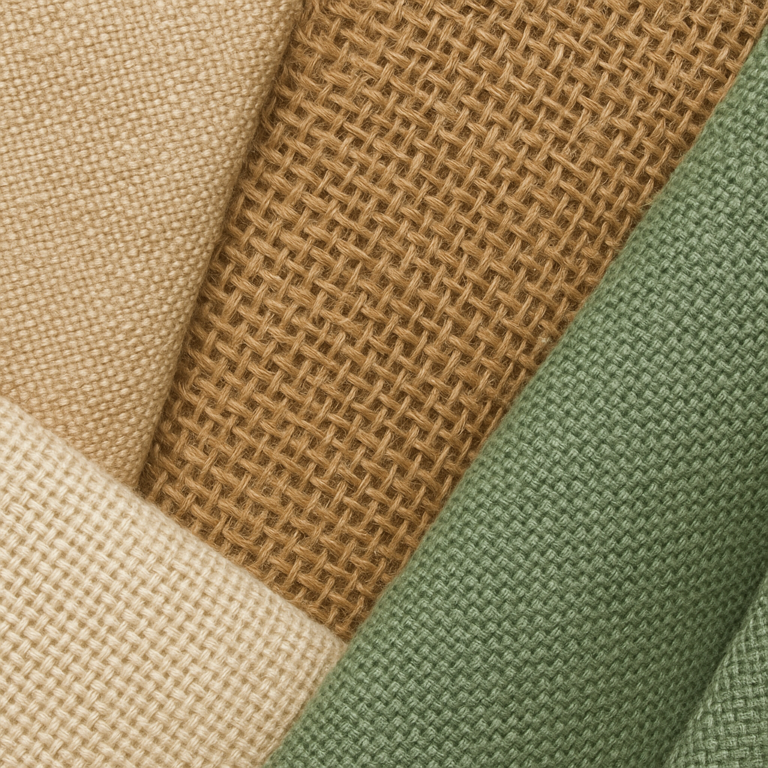
- Organic Cotton: This isn’t your grandma’s cotton! Grown without synthetic pesticides, fertilizers, or GMOs, organic cotton significantly reduces water pollution and conserves biodiversity. Made Free states, “Organic cotton can reduce water use by up to 91%.” [^1] It’s soft, breathable, and a fantastic choice for totes and everyday bags.
- Pros: Renewable, biodegradable, soft, breathable, less water/pesticide use.
- Cons: Can be less durable for heavy loads than synthetics, still requires water.
- Hemp: A true superstar! Hemp grows quickly, requires minimal water, no pesticides, and enriches the soil. It’s incredibly strong and durable, making it perfect for backpacks and travel bags. Coco & Kandy highlights hemp as “highly sustainable: fast-growing, low water needs.” [2]
- Pros: Extremely durable, fast-growing, low water/pesticide needs, improves soil health.
- Cons: Can have a coarser texture, sometimes heavier.
- Linen (from Flax): Derived from the flax plant, linen is strong, absorbent, and dries faster than cotton. It’s also biodegradable and requires less water and pesticides than conventional cotton.
- Pros: Strong, breathable, absorbent, biodegradable, low environmental impact.
- Cons: Prone to wrinkling, can be more expensive.
- Jute: Often called “the golden fiber,” jute is a natural, biodegradable, and recyclable fiber with a silky luster. It’s commonly used for sturdy shopping bags and home goods.
- Pros: Renewable, biodegradable, strong, affordable.
- Cons: Can be rougher in texture, less flexible than cotton.
- Bamboo: A rapidly renewable resource, bamboo can be processed into soft, durable fabrics. It grows without pesticides and requires little water.
- Pros: Fast-growing, naturally antimicrobial, soft, biodegradable.
- Cons: Processing can be chemical-intensive (though mechanical methods exist).
Recycled Materials: Giving Waste a New Life ♻️
Turning trash into treasure! These materials divert waste from landfills and reduce the demand for virgin resources.
- Recycled Polyester (rPET): Made from post-consumer plastic bottles, rPET is a game-changer. It’s durable, water-resistant, and versatile. Made Free notes, “Recycled polyester saves up to 59% of energy vs. virgin polyester.” [^1] Many brands use it for linings, outer shells, and even straps.
- Pros: Reduces plastic waste, energy-efficient, durable, water-resistant.
- Cons: May shed microplastics during washing, not biodegradable.
- Recycled Nylon: Similar to rPET, recycled nylon (often from fishing nets and industrial waste) is incredibly strong and used for durable backpacks and luggage.
- Pros: Reduces waste, very durable, lightweight.
- Cons: Similar microplastic concerns as rPET.
- Recycled Cotton: Made from pre-consumer (factory scraps) or post-consumer cotton waste, this reduces textile waste and the need for new cotton production.
- Pros: Reduces textile waste, saves water and energy, soft.
- Cons: Shorter fibers can make it less durable than virgin cotton.
Vegan Leather Alternatives: Cruelty-Free & Eco-Conscious 🌱
For those who love the look and feel of leather but want to avoid animal products, these innovative materials are booming!
- Piñatex (Pineapple Leather): Made from the cellulose fibers of pineapple leaves, a byproduct of pineapple harvesting. It’s durable, flexible, and biodegradable.
- Pros: Utilizes agricultural waste, cruelty-free, biodegradable, unique texture.
- Cons: Still an emerging material, can be more expensive.
- Mushroom Leather (Mycelium-based): Derived from the root structure of mushrooms, this material is gaining traction for its leather-like properties and rapid growth. Brands like MycoWorks are leading the charge.
- Pros: Rapidly renewable, biodegradable, cruelty-free, luxurious feel.
- Cons: Still in early stages of commercialization, can be costly.
- Cork Leather: Harvested from cork oak trees without harming the tree, cork is naturally water-resistant, durable, and lightweight.
- Pros: Renewable, lightweight, water-resistant, unique aesthetic.
- Cons: Can be less flexible than traditional leather.
- Apple Leather: Made from apple pomace (waste from the juice industry) mixed with PU. It’s a clever way to upcycle food waste.
- Pros: Utilizes food waste, cruelty-free, good leather alternative.
- Cons: Often still contains a percentage of PU (polyurethane), which is plastic-based.
- Vegetable-Tanned Leather: While still animal-derived, this is a more sustainable option than chrome-tanned leather. It uses natural tannins from plants (like tree bark) instead of harsh chemicals, making it biodegradable and less toxic. Coco & Kandy notes it “offers a rustic look.” [^2]
- Pros: Biodegradable, durable, develops a beautiful patina, less toxic than chrome-tanned.
- Cons: Still animal-derived, water-intensive, slower process, can be more expensive.
Table: Sustainable Bag Materials at a Glance
| Material Type | Examples | Key Sustainability Benefit | Pros | Cons |
|---|---|---|---|---|
| Natural Fibers | Organic Cotton, Hemp, Linen, Jute, Bamboo | Renewable, biodegradable, low chemical/water input | Soft, strong, breathable, natural feel | Can be less durable (cotton), coarser texture (hemp/jute) |
| Recycled Materials | Recycled Polyester (rPET), Recycled Nylon | Diverts waste from landfills, reduces virgin resource demand, energy saving | Durable, water-resistant, versatile | May shed microplastics, not biodegradable |
| Vegan Leather Alternatives | Piñatex, Mushroom Leather, Cork, Apple Leather | Cruelty-free, often uses agricultural waste, biodegradable (some) | Stylish, innovative, unique textures, animal-friendly | Durability varies, some still contain plastics (e.g., PU in apple leather) |
| Ethical Leather | Vegetable-Tanned Leather | Biodegradable, avoids toxic chemicals of chrome tanning | Durable, develops patina, less toxic | Still animal-derived, water-intensive |
2. Ethical Production: Beyond the Materials 🤝
A sustainable bag isn’t just about what it’s made of, but how it’s made and who makes it. This is where social responsibility comes into play.
- Fair Wages & Safe Conditions: This is non-negotiable. Workers should earn a living wage, work in safe environments, and have reasonable hours. Unsustainable Magazine highlights the “poor pay” and “inhumane working conditions” prevalent in the fashion industry, citing tragedies like Rana Plaza. [^3] Sustainable brands actively combat this.
- Transparency in the Supply Chain: Can the brand tell you where their materials come from and who made your bag? Supply chain transparency is a hallmark of truly ethical brands. Patagonia and Everlane are often cited for their openness. [^1]
- Reduced Environmental Impact in Manufacturing: This includes minimizing water and energy use, managing waste, and avoiding harmful chemicals during dyeing and finishing processes.
- Certifications: Look for third-party certifications that verify ethical practices.
- Fair Trade Certified™: Ensures fair wages, safe conditions, and community development for farmers and factory workers. Made Free states, “nearly 90% of producers benefiting from fair wages and social programs.” [^1]
- GOTS (Global Organic Textile Standard): The gold standard for organic fibers, ensuring ecological and social criteria throughout the supply chain.
- B Corp Certification: A holistic certification for companies meeting high standards of verified performance, accountability, and transparency on factors from employee benefits and charitable giving to supply chain practices and input materials.
- Leather Working Group (LWG): For leather products, this certifies tanneries based on environmental performance, including water and energy usage, chemical management, and waste. [^2]
3. Durability & Longevity: Built to Last 🕰️
One of the most impactful aspects of sustainability is simply making things that last. A bag that you use for years, even decades, is inherently more sustainable than one that falls apart after a season. Coco & Kandy emphasizes, “Designed to last long, supporting waste reduction and sustainability.” [^2]
- Quality Construction: Reinforced seams, sturdy hardware, and thoughtful design all contribute to a bag’s lifespan.
- Timeless Design: A classic style won’t go out of fashion, meaning you’ll want to keep it longer.
- Repairability: Can your bag be easily repaired if something breaks? Some brands even offer repair services.
4. End-of-Life Considerations: What Happens Next? 🌍
What happens when your beloved bag finally reaches the end of its life?
- Biodegradability: Can it naturally break down without harming the environment? Natural fibers and some plant-based leathers excel here.
- Recyclability: Can its components be recycled into new products? This is where recycled synthetics shine.
- Upcycling: Can it be repurposed into something new and useful?
Understanding these facets helps us distinguish genuine sustainable efforts from mere “greenwashing” – a topic we’ll tackle later! For now, let’s appreciate the immense positive ripple effect these choices create.
🌍 Why Sustainable Bags Matter: Environmental and Social Benefits
Okay, so we’ve talked about what goes into a sustainable bag. But why should you care? Why does it matter if your tote is made from organic cotton or recycled plastic? The answer, dear reader, is that your choice of bag has a far greater impact than you might imagine – reaching from the deepest oceans to the hands that crafted it. It’s about more than just carrying your essentials; it’s about carrying a commitment to a better world.
The Environmental Payoff: Healing Our Planet 💚
The fashion industry, including accessories, has a hefty environmental footprint. Choosing sustainable bags actively works to shrink that footprint.
- Reducing Pollution:
- Chemicals: Conventional cotton farming is notoriously chemical-intensive, polluting water sources and ecosystems. Organic cotton, on the other hand, eliminates these toxic chemicals. Unsustainable Magazine points out, “Conventional cotton uses toxic chemicals contaminating water and oceans.” [^3]
- Microplastics: Synthetic fabrics, especially virgin polyester, release tiny plastic fibers (microplastics) when washed, ending up in our oceans and food chain. Opting for recycled materials, while not entirely eliminating this, reduces the demand for new plastic production.
- Dyeing: The textile dyeing process is a major polluter. Sustainable brands often use low-impact dyes or closed-loop systems that recycle water and chemicals.
- Minimizing Waste Generation:
- Landfill Diversion: By using recycled materials like rPET (from plastic bottles) or recycled nylon (from fishing nets), sustainable bags directly divert waste from overflowing landfills and oceans. Coco & Kandy reminds us that “over 1 billion plastic bags used daily worldwide.” [^2] Imagine the impact of replacing even a fraction of those!
- Durability vs. Fast Fashion: Fast fashion encourages a “buy cheap, discard quickly” mentality, leading to mountains of textile waste. A durable, well-made sustainable bag resists this cycle, lasting for years and reducing the need for frequent replacements. Unsustainable Magazine states, “Fast fashion produces excessive waste; 60% more clothing bought, discarded twice as fast.” [^3]
- Conserving Precious Resources:
- Water: The fashion industry is a thirsty beast. Organic cotton uses significantly less water than conventional cotton, and hemp is even more water-efficient. Made Free highlights that “Organic cotton can reduce water use by up to 91%.” [^1]
- Energy: Producing virgin synthetic materials is energy-intensive. Recycled alternatives drastically cut down on energy consumption. “Recycled polyester saves up to 59% of energy vs. virgin polyester.” [^1]
- Lowering Your Carbon Footprint:
- From raw material extraction to manufacturing and transportation, every step in a product’s life cycle generates greenhouse gas emissions. By choosing materials with lower impact (like organic cotton or recycled fibers) and brands committed to carbon neutrality, you’re helping to combat climate change.
The Social Impact: Empowering People ✊
Sustainability isn’t just about the planet; it’s about people too. The “ethical” component of sustainable bags addresses critical social issues within the global supply chain.
- Fair Wages and Livelihoods: Many conventional fashion factories pay poverty wages, trapping workers in a cycle of hardship. Sustainable brands committed to Fair Trade principles ensure workers receive a living wage, allowing them to support their families and communities. Made Free reports that “nearly 90% of producers benefiting from fair wages and social programs” from Fair Trade certification. [^1]
- Safe Working Conditions: No one should risk their life or health to make a bag. Ethical production means safe factories, proper ventilation, protective equipment, and reasonable working hours, free from forced overtime or harassment. Unsustainable Magazine details the “inhumane working conditions” and “forced overtime” that are sadly common in the industry. [^3]
- Community Development: Many sustainable brands invest in the communities where their products are made, funding education, healthcare, and infrastructure projects. This creates a positive ripple effect, fostering economic stability and growth.
- Empowering Consumers: Your purchasing decisions are a powerful form of activism. By choosing sustainable bags, you’re “voting with your dollars” for a more ethical and environmentally responsible industry. Unsustainable Magazine emphasizes, “Consumers’ purchasing choices (‘voting with their dollars’) influence industry change.” [^3] This sends a clear message to brands that ethical practices are valued and demanded.
So, when you carry a sustainable bag, you’re not just carrying your wallet and keys. You’re carrying a statement, a commitment, and a piece of a better future. Isn’t that a thought worth carrying?
👜 10 Must-Know Features of the Best Sustainable Bags
Alright, you’re convinced! Sustainable bags are the way to go. But with so many options out there, how do you spot a truly great one? As stylists at Purse Brands™, we’ve seen it all, and we’ve boiled down the essence of an exceptional sustainable bag into these 10 must-know features. Think of this as your cheat sheet to becoming a savvy, sustainable shopper!
1. Certified Sustainable Materials ✅
This is ground zero. Look for materials like GOTS-certified organic cotton, GRS (Global Recycled Standard) certified recycled polyester or nylon, PETA-approved vegan leather (especially plant-based ones like Piñatex or mushroom leather), or Leather Working Group (LWG) certified leather (if you choose animal leather). These certifications aren’t just marketing fluff; they’re verified proof of environmental and social standards.
2. Robust Durability and Construction 💪
A sustainable bag is built to last. Period. This means strong stitching, high-quality zippers (YKK is a good sign!), reinforced stress points, and durable hardware. A bag that falls apart quickly, no matter how “eco-friendly” its materials, ultimately contributes to waste. Made Free emphasizes, “Built to last: Durable construction that resists wear, reducing the need for frequent replacements.” [^1]
3. Transparent Supply Chain 🔍
Can the brand tell you exactly where their materials come from and who made your bag? Brands like Patagonia and Everlane are pioneers in this, sharing factory lists and material origins. This transparency helps ensure ethical labor practices and responsible sourcing. If a brand is vague, that’s a red flag. 🚩
4. Ethical Labor Practices & Fair Wages 🤝
Look for Fair Trade Certified™ products or brands that explicitly state their commitment to fair wages, safe working conditions, and no child labor. This ensures the people who craft your bag are treated with dignity and respect. Coco & Kandy advises, “Ensure fair wages and ethical labor practices; check company transparency.” [^2]
5. Low-Impact Dyeing and Finishing 💧
The dyeing process can be incredibly polluting. The best sustainable bags use low-impact dyes, natural dyes, or closed-loop systems that recycle water and chemicals, minimizing environmental harm.
6. Thoughtful Design for Longevity 🎨
Beyond just being durable, a sustainable bag often features a timeless design that won’t go out of style next season. It’s versatile, functional, and aesthetically pleasing for years to come. This encourages you to keep and cherish it, rather than discarding it for the latest trend.
7. Repairability and Warranty 🛠️
Does the brand offer repairs, or are replacement parts (like straps or buckles) available? A good warranty also signals a brand’s confidence in its product’s longevity. Some brands, like Fjallraven, are known for their repair services, extending the life of their durable backpacks.
8. Minimalist Packaging 📦
The sustainability journey doesn’t end with the bag itself. Look for brands that use recycled, recyclable, or compostable packaging and avoid excessive plastic wraps or unnecessary embellishments.
9. Circular Economy Principles 🔄
Some brands are taking sustainability a step further by embracing circularity. This means designing products that can be easily recycled or composted at the end of their life, or even offering take-back programs to repurpose old bags into new ones.
10. Brand Mission & Values Alignment ✨
Finally, does the brand’s overall mission align with your values? Do they donate to environmental causes? Are they a B Corp? Do they actively work to reduce their carbon footprint? This holistic approach ensures you’re supporting a company that truly walks the talk. Unsustainable Magazine quotes, “Each of us has a role to play in not just looking out for ourselves but everything and everyone that surrounds us.” [^3]
By keeping these 10 features in mind, you’ll be well-equipped to make informed choices that benefit both your style and the planet. Now, let’s talk about how to pick your perfect sustainable companion!
🔍 How to Choose the Perfect Sustainable Bag for Your Lifestyle
Choosing a bag is a personal journey, isn’t it? It’s not just about what looks good, but what works for your life. When you add “sustainable” to the mix, it can feel a bit overwhelming. But don’t fret! As your trusted stylists at Purse Brands™, we’re here to guide you through finding that perfect blend of ethics, aesthetics, and everyday practicality. This isn’t just a purchase; it’s an investment in your style and values.
Step 1: Define Your Needs – What’s Your Bag’s Mission? 🎯
Before you even start browsing, think about what you need your bag to do. This is crucial for matching the right sustainable option to your daily grind.
- Daily Commuter? You’ll need something durable, perhaps water-resistant, with good organization for your laptop, water bottle, and essentials. Think backpacks or messenger bags made from recycled nylon or hemp.
- Weekend Warrior/Traveler? Look for spacious duffel bags or weekenders made from recycled polyester or sturdy organic cotton canvas. Durability and ease of cleaning will be key.
- Everyday Errands & Shopping? A versatile tote bag or crossbody made from organic cotton, jute, or even cork might be perfect. Something lightweight and easy to carry.
- Fashion Statement/Evening Out? Explore elegant clutches or shoulder bags made from innovative vegan leathers like Piñatex, mushroom leather, or even upcycled materials.
- Hiking/Outdoors? You’ll need robust, weather-resistant materials like recycled nylon or heavy-duty hemp, with ergonomic designs.
Coco & Kandy advises, “Match to your needs (e.g., hiking, purse, backpack).” [^2] Get specific!
Step 2: Material Matters – Aligning with Your Values & Lifestyle 🌿
Now that you know your bag’s purpose, let’s revisit materials. Each has its own benefits and drawbacks.
- For Lightweight & Breathable: Organic cotton or linen are fantastic. Ideal for casual totes or summer bags.
- For Durability & Water Resistance: Recycled polyester (rPET) or recycled nylon are excellent choices. Perfect for backpacks, travel bags, or anything that needs to withstand the elements.
- For a Leather-Like Aesthetic (Cruelty-Free): Explore Piñatex, mushroom leather, cork, or apple leather. These offer diverse textures and finishes. Remember to check the composition for any plastic content if you’re aiming for plastic-free.
- For Extreme Strength & Eco-Friendliness: Hemp is your go-to. It’s incredibly robust and environmentally friendly.
- For a Classic, Ethical Leather Look: If you choose animal leather, opt for vegetable-tanned leather certified by the Leather Working Group.
Personal Anecdote: Our lead stylist, Maria, once bought a stunning “vegan leather” bag only to discover it was mostly PVC, a less sustainable plastic. She learned her lesson the hard way! Now, she always checks for specific plant-based materials or certifications like PETA-Approved Vegan to ensure it’s truly a better choice.
Step 3: Verify Certifications & Brand Transparency 📜
This is where you separate the greenwashers from the genuine heroes. Don’t just take a brand’s word for it!
- Look for Labels:
- GOTS (Global Organic Textile Standard): For organic cotton and other natural fibers.
- Fair Trade Certified™: Guarantees ethical labor and fair wages.
- B Corp: A holistic certification for social and environmental performance.
- GRS (Global Recycled Standard): For recycled content verification.
- LWG (Leather Working Group): For responsible leather production.
- Check the Brand’s Website: A truly transparent brand will have a dedicated “Sustainability” or “Our Impact” section. They should clearly detail their supply chain, manufacturing processes, and material sourcing. If it’s hard to find information, that’s a red flag. Made Free advises, “Prioritize brand transparency: Brands like Patagonia and Everlane are noted for supply chain openness.” [^1]
- Beware of Greenwashing: Terms like “eco-friendly,” “natural,” or “sustainable” without specific details or certifications can be misleading. Always dig deeper. Is it really sustainable, or just marketed that way?
Step 4: Consider Durability & Repairability 🛠️
A sustainable bag is an investment. You want it to last!
- Examine Construction: Check seams, zippers, and hardware. Are they sturdy? Do they feel like they’ll hold up to daily use?
- Read Reviews: What are other users saying about the bag’s longevity?
- Brand’s Stance on Repairs: Does the brand offer repair services or guidance? This is a huge plus for extending a bag’s life.
Step 5: Style & Aesthetics – Does it Spark Joy? ✨
Sustainability doesn’t mean sacrificing style! The market for ethical fashion has exploded, offering incredibly chic and diverse options.
- Personal Style: Choose a bag that genuinely reflects your aesthetic. You’re more likely to cherish and use a bag you love.
- Versatility: Can the bag work with multiple outfits or for different occasions? A versatile piece gets more use, making it more sustainable.
- Timelessness: Opt for classic designs over fleeting trends. A timeless piece will remain relevant for years.
Step 6: Budget – An Investment, Not Just a Purchase 💰
Sustainable bags often have a higher upfront cost than fast-fashion alternatives. This is because they factor in fair wages, quality materials, and responsible production.
- Long-Term Value: Think of it as an investment. A $40 durable tote that lasts 5 years is cheaper than five $10 fast-fashion totes that each last a year. Made Free gives a great example: “A $40 durable tote lasts years, cheaper than frequent fast-fashion replacements.” [^1]
- Prioritize: If your budget is tight, prioritize one key sustainable bag (like a daily tote or backpack) over multiple cheaper, less ethical options.
By following these steps, you’ll not only find a bag that looks fantastic but also one that aligns with your values and contributes positively to the world. Ready to start shopping? Let’s explore some amazing brands!
🛍️ Where to Find the Coolest Sustainable Bag Brands and Shops
Alright, you’re armed with knowledge, you know what to look for, and you’re ready to make a conscious choice! But where do you actually find these amazing sustainable bags? Forget the endless scrolling and questionable claims. At Purse Brands™, we’ve curated a list of trusted avenues and standout brands that are truly making a difference. Get ready to discover your next favorite ethical accessory!
1. Direct from Mission-Driven Brands 🌟
Many of the best sustainable bag brands sell directly from their own websites, allowing them to tell their story and showcase their commitment to ethics and the environment. This is often the best place to get detailed information about their materials, supply chain, and certifications.
- Patagonia: A pioneer in outdoor gear and sustainability. While known for apparel, their backpacks and duffels are legendary for durability and use of recycled materials. They are incredibly transparent about their supply chain.
- 👉 Shop Patagonia on: Amazon | Patagonia Official Website
- Everlane: Famous for “Radical Transparency,” Everlane offers sleek, minimalist bags made with sustainable materials like recycled nylon and organic cotton. They provide detailed information on their factories and costs.
- 👉 Shop Everlane on: Everlane Official Website
- Terra Thread: Mentioned by Unsustainable Magazine, Terra Thread is a California-based brand known for its Fair Trade USA certified and GOTS certified organic cotton bags, including backpacks and duffels. They are also carbon neutral. [^3]
- 👉 Shop Terra Thread on: Amazon | Terra Thread Official Website
- Paravel: This brand focuses on sustainable travel goods, using recycled plastic bottles for their luggage and bags. Their designs are chic and functional. Made Free mentions them for using recycled bottles. [^1]
- 👉 Shop Paravel on: Amazon | Paravel Official Website
- Made Free: A brand dedicated to creating sustainable income for workers, offering a range of bags made with ethical production in mind. Made Free is highlighted for its mission-driven approach. [^1]
- 👉 Shop Made Free on: Made Free Official Website
- Matt & Nat: A popular choice for vegan leather bags, Matt & Nat uses recycled materials for their linings and innovative vegan leathers for their exteriors.
- 👉 Shop Matt & Nat on: Amazon | Matt & Nat Official Website
- Corkor: Specializing in bags made from sustainable cork fabric, Corkor offers unique, durable, and naturally water-resistant options.
- 👉 Shop Corkor on: Amazon | Corkor Official Website
2. Ethical Marketplaces & Retailers 🛒
These platforms specifically curate sustainable and ethical brands, making your search much easier. They often do the vetting for you!
- Etsy: A fantastic place to find handcrafted sustainable bags, often from small businesses using organic cotton, upcycled materials, or unique plant-based leathers. You can filter by material and location.
- 👉 Shop Sustainable Bags on: Etsy
- The Little Market: A non-profit fair trade shop that features products made by artisans in underserved communities, including beautiful handcrafted bags.
- 👉 Shop The Little Market on: The Little Market Official Website
- EarthHero: An online marketplace dedicated to sustainable products across many categories, including bags. They vet brands for their environmental and social impact.
- 👉 Shop EarthHero on: EarthHero Official Website
- Made Trade: Another excellent online destination for ethically sourced and sustainably made goods, offering a wide selection of bags from various conscious brands.
- 👉 Shop Made Trade on: Made Trade Official Website
3. Department Stores & Larger Retailers (with Caution!) ⚠️
Some larger retailers are starting to carry sustainable lines or brands. While convenient, always do your due diligence here. Look for specific certifications on the product description.
- Nordstrom: Increasingly features sustainable brands in their “Sustainable Style” section.
- 👉 Shop Sustainable Bags on: Nordstrom
- Walmart: For everyday reusable shopping bags, Walmart often carries organic cotton or recycled material options, especially from larger brands.
- 👉 Shop Reusable Bags on: Walmart
Our Expert Tip for Smart Shopping:
Always cross-reference! If you see a brand you like on Amazon or a large retailer, pop over to their official website to read their “About Us” or “Sustainability” page. This is where you’ll get the full story and verify their claims. As we always say, informed choices are powerful choices!
💡 Caring for Your Sustainable Bag: Tips to Extend Its Life
You’ve invested in a beautiful, ethically made sustainable bag – congratulations! 🎉 Now, the next crucial step in its sustainable journey is proper care. A well-cared-for bag lasts longer, reducing waste and maximizing your investment. Think of it like a cherished plant; it needs a little love to thrive! At Purse Brands™, we believe that longevity is a cornerstone of true sustainability.
Here are our expert tips to keep your sustainable companion looking fabulous for years to come:
1. Know Your Material (and Its Needs!) 🧐
This is the golden rule. Different materials require different care.
- Organic Cotton/Hemp/Linen:
- Cleaning: Spot clean with mild soap and cold water. For deeper cleaning, hand wash in cold water with a gentle, eco-friendly detergent. Air dry flat to prevent shrinking or stretching. Avoid harsh bleaches.
- Storage: Store in a cool, dry place, away from direct sunlight to prevent fading.
- Recycled Polyester/Nylon:
- Cleaning: Wipe clean with a damp cloth and mild soap. For tougher stains, a gentle hand wash is usually fine. Air dry.
- Storage: Keep away from extreme heat, which can damage the fibers.
- Plant-Based Leathers (Piñatex, Cork, Apple Leather, etc.):
- Cleaning: Wipe gently with a soft, damp cloth. Some may benefit from a specialized vegan leather conditioner (check brand recommendations).
- Storage: Store in a dust bag in a cool, dry place. Avoid prolonged exposure to direct sunlight or extreme temperatures.
- Vegetable-Tanned Leather:
- Cleaning: Wipe with a soft, dry cloth. For stains, use a very slightly damp cloth and specialized leather cleaner. Condition regularly with a natural leather balm to keep it supple and prevent drying/cracking.
- Storage: Store in a breathable dust bag, away from direct heat or moisture. Allow it to “breathe” occasionally.
2. Don’t Overload Your Bag ⚖️
We’ve all been there – trying to cram “just one more thing” into our favorite tote. But consistently overloading your bag puts undue stress on seams, straps, and zippers, leading to premature wear and tear. Respect your bag’s capacity!
3. Protect from the Elements ☔️☀️
- Rain: If your bag isn’t water-resistant, try to shield it from heavy rain. For materials like canvas or some vegan leathers, a natural waterproofing spray can offer extra protection (always test on an inconspicuous area first!).
- Sunlight: Prolonged exposure to direct sunlight can fade colors and dry out certain materials. Store your bag away from windows.
4. Spot Clean Immediately 🧼
Spills happen! The quicker you address a stain, the more likely you are to remove it completely. Don’t let it set.
5. Store Properly 🏡
- Dust Bags: Many quality bags come with a dust bag. Use it! It protects your bag from dust, scratches, and light exposure.
- Stuffing: To help your bag maintain its shape, especially structured ones, lightly stuff it with acid-free tissue paper or old scarves when not in use. Avoid newspaper, as the ink can transfer.
- Avoid Hanging by Straps: For long-term storage, avoid hanging heavy bags by their straps, as this can stretch or damage them. Store them upright or flat.
6. Rotate Your Bags 🔄
Give your bags a break! Rotating between a few different bags for different occasions or seasons extends the life of each individual piece. It’s like giving your favorite pair of shoes a day off.
7. Embrace Repairs 🩹
If a strap breaks, a zipper snags, or a seam comes undone, don’t just toss it! Seek out a local cobbler or tailor who specializes in bag repairs. Many sustainable brands also offer repair services or guidance. Coco & Kandy reminds us, “With proper care, your sustainable bag will last for many years!” [^2] This is a core tenet of the circular economy – repair before replacing!
By following these simple yet effective care tips, you’re not just preserving your bag; you’re actively participating in the sustainable fashion movement. You’re reducing waste, conserving resources, and showing that quality and longevity truly matter.
♻️ Upcycling and Recycling: Giving Your Old Bags a Second Life
Even the most cherished and well-cared-for sustainable bag will eventually reach the end of its functional life. But here’s the exciting part: that doesn’t mean it’s destined for the landfill! In the spirit of the circular economy, we at Purse Brands™ are huge advocates for giving materials a second, third, or even fourth life. This is where upcycling and recycling come into play, turning what might seem like waste into new opportunities.
Upcycling: The Art of Creative Rebirth 🎨
Upcycling is all about transforming an old item into something new and often more valuable, without breaking it down to its raw components. It’s a fantastic way to unleash your creativity and extend the life of materials.
- DIY Projects:
- Tote to Pouch: An old canvas tote with a cool print can easily be cut and sewn into smaller pouches for makeup, pencils, or travel essentials.
- Denim Bag to Patches: If your denim bag is beyond repair, cut out the usable sections to create unique patches for other garments or bags.
- Leather Scraps to Keychains/Jewelry: Small pieces of leather from a worn-out bag can be repurposed into stylish keychains, cord organizers, or even unique jewelry components.
- Fabric Bag to Home Decor: Turn a beloved fabric bag into a decorative pillow cover, a small wall hanging, or even a cover for a journal.
- Professional Upcycling Services: Some designers and small businesses specialize in upcycling. They might take old leather jackets, denim, or even vintage bags and transform them into entirely new, unique accessories. Search for “upcycled bag designers” on Etsy or local craft markets.
- Community Workshops: Look for local workshops that teach upcycling skills. It’s a fun way to learn new crafts and connect with like-minded individuals.
Personal Story: Our social media manager, Chloe, had an old, beloved canvas backpack from college that was falling apart. Instead of tossing it, she carefully cut out the sections with sentimental patches and embroidered designs. She then sewed them onto a new, plain organic cotton tote, creating a unique, personalized bag that carries all her memories!
Recycling: Breaking Down to Build Anew 🔄
When upcycling isn’t an option, recycling ensures that the materials can be processed and used to create new products. This is especially important for synthetic materials that don’t biodegrade.
- Textile Recycling Programs:
- Many cities and counties offer textile recycling drop-off points. These facilities can sort and process fabrics, even those that aren’t suitable for donation.
- Brands like Patagonia and The North Face have take-back programs for their own products, ensuring their materials are properly recycled or repurposed. Always check with the brand directly.
- Look for local initiatives or organizations like Terracycle that offer specialized recycling solutions for hard-to-recycle items, including certain types of bags.
- Specific Material Recycling:
- Plastic-based materials (rPET, recycled nylon): While these can be recycled, it’s often a specialized process. Check if the brand has a specific recycling program or if your local recycling center accepts textiles.
- Metal Hardware: Zippers, buckles, and rings can often be removed and recycled with other metal waste, if your local facility accepts small metal items.
- Natural Fibers (Organic Cotton, Hemp, Linen): These are biodegradable and can be composted if they are free of synthetic components and dyes. If not, textile recycling is the best option.
- Donation (for usable bags):
- If your bag is still in good condition but you no longer need it, donating it to a charity shop or reselling it on platforms like Poshmark or Depop is a fantastic form of “reuse.” This extends its life and keeps it out of the waste stream.
Important Note: Always check the specific care and end-of-life instructions from the bag’s manufacturer. They often have the best guidance for their particular materials and construction.
By embracing upcycling and recycling, we close the loop on our consumption, transforming what was once considered waste into valuable resources. It’s a powerful way to contribute to a more sustainable future, one bag at a time.
💬 Real Talk: What Consumers Are Saying About Sustainable Bags
We can talk about materials and certifications all day, but what really matters is the experience of the people carrying these bags! At Purse Brands™, we constantly tap into consumer insights to understand what’s working, what’s not, and what truly resonates. The conversation around sustainable bags is vibrant, full of passion, and sometimes, a little bit of healthy skepticism.
The Enthusiasts: “Worth Every Penny!” 💖
Many consumers are absolutely thrilled with their sustainable bag purchases. They often highlight:
- Durability and Quality: “I bought a Patagonia Black Hole Duffel made from recycled polyester years ago, and it’s been on countless trips, still looks brand new. My old cheap duffels would have fallen apart by now. It’s truly built to last!” – Mark T., avid traveler. This echoes Made Free’s point about long-term value over initial cost. [^1]
- Peace of Mind: “Knowing my Terra Thread tote was made with organic cotton by Fair Trade workers just makes me feel good every time I use it. It’s more than just a bag; it’s a statement.” – Sarah L., conscious shopper. This sentiment aligns with the social benefits of fair labor.
- Unique Aesthetics: “My Corkor crossbody bag always gets compliments! People are fascinated when I tell them it’s made from cork. It’s stylish and unique, not just ‘eco-friendly’ in a bland way.” – Jessica P., fashion-forward consumer.
- Functionality: “My Everlane ReNew Transit Backpack is perfect for my daily commute. It holds my laptop, water bottle, and everything else, and I love that it’s made from recycled plastic bottles. Super practical and ethical.” – David K., urban professional.
The Skeptics & The Curious: “Is it Really Sustainable?” 🤔
Not everyone jumps on the sustainable bandwagon without questions, and that’s a good thing! These insights help brands improve and educate.
- Greenwashing Concerns: “I see so many brands claiming to be ‘eco-friendly,’ but when I dig deeper, it’s just a small percentage of recycled material, or they don’t mention their factories. It’s hard to trust sometimes.” – Maria G., discerning buyer. This highlights the importance of certifications and transparency, as discussed in our “Choosing the Right Bag” section.
- Price Point: “Sustainable bags often cost more upfront. I understand why, but it’s a barrier for me. I wish there were more affordable options that were truly ethical.” – Chloe R., budget-conscious student. While sustainable bags are an investment, this feedback underscores the need for accessible options.
- Material Performance: “I tried a vegan leather bag once, and it started peeling after a year. It made me wonder if it was really better than traditional leather if it didn’t last.” – Alex B., frustrated consumer. This points to the varying quality of emerging materials and the need for brands to ensure durability.
- End-of-Life Confusion: “What do I do with my old recycled polyester bag when it’s totally worn out? Can I even recycle it locally? It’s not always clear.” – Ben S., environmentally aware individual. This emphasizes the need for clearer recycling instructions and better infrastructure.
The Takeaway for Brands and Consumers:
- Transparency is Paramount: Brands must be open and honest about their supply chains, materials, and impact. Vague claims erode trust.
- Education is Key: Consumers want to understand why a bag is sustainable and how to care for it.
- Quality and Durability Remain Top Priorities: No matter how eco-friendly, a bag must perform its primary function and last.
- Accessibility Matters: While premium sustainable bags have their place, there’s a growing demand for more affordable, genuinely sustainable options.
The conversation is evolving, and that’s a fantastic sign! It means more people are thinking critically about their purchases and demanding better from the fashion industry. Your voice, as a consumer, truly makes a difference.
🌟 Change the World, One Bag at a Time: How Your Purchase Makes an Impact
It might sound dramatic, but we genuinely believe that your choice of bag can be a powerful act of change. At Purse Brands™, we’ve witnessed firsthand how consumer demand shapes the market. Every time you choose a sustainable bag, you’re not just buying an accessory; you’re casting a vote for a better future. You’re becoming an active participant in a global movement towards conscious consumption and ethical living.
The Ripple Effect: Your Purchase’s Journey 🌊
Imagine the journey of a single sustainable bag:
- From Farm/Factory to You: Your purchase supports farmers growing organic cotton without harmful pesticides, or workers earning a fair wage in a safe factory. It encourages the development of innovative, planet-friendly materials like pineapple leather.
- Reducing Environmental Harm: You’re directly contributing to less plastic waste in landfills and oceans, lower carbon emissions, and cleaner water. Unsustainable Magazine reminds us that “human activities contribute to ecosystem degradation; sustainable shopping is vital.” [^3] Your choice helps reverse this.
- Empowering Communities: Many sustainable brands invest in the communities where their products are made, providing education, healthcare, and economic stability. Your purchase directly fuels these positive social programs.
- Influencing the Industry: When you choose a sustainable bag, you send a clear message to the fashion industry: “We demand better!” This demand encourages more brands to adopt ethical practices and invest in sustainable innovation. Made Free notes that “Consumer demand supports ethical brands: Example: Fair Trade cocoa increased sales by 43% in the UK despite higher prices.” [^1] This shows the power of collective consumer choice!
- Inspiring Others: Your sustainable bag can be a conversation starter. When friends or colleagues admire your bag, you have an opportunity to share its story and inspire them to make similar choices.
Beyond the Bag: A Mindset Shift ✨
Choosing a sustainable bag is often the first step in a larger journey of mindful living. It encourages you to:
- Question Everything: Where do my clothes come from? What are my everyday products made of?
- Value Quality Over Quantity: Investing in durable, well-made items that last, rather than constantly buying cheap, disposable goods.
- Embrace Repair and Reuse: Extending the life of your possessions, rather than constantly replacing them.
- Support Businesses with Integrity: Aligning your spending with companies that share your values.
As Unsustainable Magazine beautifully puts it, “Living sustainably benefits humanity and ecosystems. Informed choices can drive industry change.” [^3]
So, the next time you reach for your sustainable tote, backpack, or clutch, remember: you’re not just carrying your belongings. You’re carrying a piece of a brighter, more responsible future. And that, dear reader, is a truly powerful statement. Ready to make your impact? Let’s check out some of our top picks!
🛒 Cart: Our Top Picks for Sustainable Bags You’ll Love
Alright, you’ve journeyed through the ins and outs of sustainable bags, from materials to impact. Now for the fun part: our expert team at Purse Brands™ has scoured the market to bring you some of our absolute favorite sustainable bags that blend style, functionality, and genuine ethical commitment. These aren’t just bags; they’re investments in your wardrobe and the planet.
We’ve rated them on a scale of 1-10 across key aspects, followed by our detailed insights. Get ready to fall in love!
1. Patagonia Black Hole® Duffel Bag
| Aspect | Rating (1-10) |
|---|---|
| Design | 8 |
| Functionality | 10 |
| Durability | 10 |
| Sustainability | 9 |
| Versatility | 9 |
Our Take: The Indestructible Eco-Warrior 🏔️
If you’re looking for a bag that can literally go anywhere and withstand anything, the Patagonia Black Hole® Duffel is your champion. Made from 100% recycled body fabric, lining, and webbing, this bag is a testament to Patagonia’s unwavering commitment to sustainability. We’ve seen these bags endure years of rough travel, outdoor adventures, and daily commutes without a hitch.
- Features: It’s highly weather-resistant, features a padded bottom, multiple carrying options (backpack straps, duffel handles), and internal compression straps. The various sizes (from 40L to 100L+) mean there’s a Black Hole for every adventure.
- Benefits: Its extreme durability means you won’t be replacing it for a very, very long time, significantly reducing waste. The recycled materials divert plastic from landfills. It’s incredibly versatile, perfect for gym, travel, or even as a rugged everyday carry.
- Drawbacks: The aesthetic is distinctly utilitarian, which might not appeal to everyone looking for a more fashion-forward piece. While weather-resistant, it’s not fully waterproof.
Why We Love It: This bag embodies the “built to last” principle of sustainability. It’s a workhorse that proves recycled materials can be incredibly robust.
👉 Shop Patagonia Black Hole® Duffel on:
- Amazon: Patagonia Black Hole Duffel
- Patagonia Official Website: Patagonia Black Hole Duffel
2. Terra Thread Organic Cotton Tote Bag
| Aspect | Rating (1-10) |
|---|---|
| Design | 7 |
| Functionality | 8 |
| Durability | 8 |
| Sustainability | 10 |
| Versatility | 9 |
Our Take: The Everyday Ethical Essential 🌿
For your daily errands, grocery runs, or just carrying your essentials, the Terra Thread Organic Cotton Tote Bag is a standout. This brand is a shining example of holistic sustainability, as highlighted by Unsustainable Magazine. [^3]
- Features: Made from GOTS-certified organic cotton and produced in a Fair Trade Certified™ factory, these totes are simple, sturdy, and come in a range of natural dyes. They often feature a small internal pocket for keys or a phone.
- Benefits: You’re supporting organic farming, fair wages, and a carbon-neutral production process. The natural cotton is breathable and biodegradable. It’s a perfect reusable alternative to single-use plastic bags.
- Drawbacks: As with most cotton totes, it’s not water-resistant. The design is minimalist, which might be too plain for some. While durable for a tote, it won’t withstand heavy abuse like a duffel.
Why We Love It: This tote is the epitome of ethical simplicity. It’s an accessible way to make a significant sustainable impact in your daily life.
👉 Shop Terra Thread Organic Cotton Tote Bag on:
- Amazon: Terra Thread Organic Cotton Tote Bag
- Terra Thread Official Website: Terra Thread Organic Cotton Tote Bag
3. Matt & Nat Dwell Collection Crossbody Bag
| Aspect | Rating (1-10) |
|---|---|
| Design | 9 |
| Functionality | 8 |
| Durability | 7 |
| Sustainability | 8 |
| Versatility | 8 |
Our Take: Chic, Cruelty-Free Style 🦊
Matt & Nat (short for MAT(T)erial + NATure) has been a leader in the vegan bag space for years, and their Dwell Collection crossbody bags are a favorite among our stylists for their sleek design and ethical stance.
- Features: Crafted from vegan leather (often PU-based, but they are exploring new plant-based options) with a 100% recycled nylon lining made from plastic bottles. They come in various classic shapes and colors, with thoughtful organizational pockets.
- Benefits: Completely cruelty-free, offering a stylish alternative to animal leather. The recycled lining is a great step towards reducing plastic waste. Their designs are timeless and versatile, fitting seamlessly into many wardrobes.
- Drawbacks: While durable for vegan leather, some users report that PU-based vegan leather can show wear or peel over time, especially with heavy use. It’s important to care for it well. The material itself isn’t biodegradable.
Why We Love It: Matt & Nat proves that ethical fashion doesn’t mean compromising on style. Their bags are a go-to for those seeking a chic, animal-friendly option.
👉 Shop Matt & Nat Dwell Collection Crossbody Bag on:
- Amazon: Matt & Nat Crossbody Bag
- Matt & Nat Official Website: Matt & Nat Crossbody Bags
4. Paravel Fold-Up Bag
| Aspect | Rating (1-10) |
|---|---|
| Design | 8 |
| Functionality | 9 |
| Durability | 8 |
| Sustainability | 9 |
| Versatility | 10 |
Our Take: The Traveler’s Eco-Savvy Companion ✈️
The Paravel Fold-Up Bag is a brilliant solution for travelers who need an extra bag on the go. Made from recycled plastic bottles, it’s incredibly lightweight and folds down into a compact pouch.
- Features: Constructed from Paravel’s signature EcoCraft Canvas (made from upcycled plastic bottles), it’s water-resistant and features sturdy handles and a trolley sleeve to slide over luggage handles.
- Benefits: Reduces plastic waste, incredibly lightweight and packable, making it perfect as a secondary travel bag or for unexpected shopping. Its versatility is unmatched for travel.
- Drawbacks: While durable for its weight, it’s not designed for heavy, daily abuse like a Patagonia duffel. The minimalist design might not be everyone’s primary bag choice.
Why We Love It: Paravel shows how innovative design can meet sustainability, creating a highly functional product from waste. It’s a must-have for any eco-conscious traveler.
👉 Shop Paravel Fold-Up Bag on:
- Amazon: Paravel Fold-Up Bag
- Paravel Official Website: Paravel Fold-Up Bag
5. Everlane The ReNew Transit Backpack
| Aspect | Rating (1-10) |
|---|---|
| Design | 9 |
| Functionality | 9 |
| Durability | 8 |
| Sustainability | 9 |
| Versatility | 8 |
Our Take: The Urban Commuter’s Ethical Choice 🏙️
Everlane is renowned for its “Radical Transparency,” and their ReNew Transit Backpack is a prime example of their commitment to sustainable materials and ethical production.
- Features: Made from 100% recycled polyester (from 21 plastic bottles!), it features a padded laptop sleeve, two water bottle pockets, and a convenient front zip pocket. Its minimalist design is sleek and modern.
- Benefits: Diverts plastic from landfills, offers excellent organization for daily essentials, and its clean aesthetic makes it suitable for both casual and more professional settings.
- Drawbacks: While durable for daily use, it might not be as rugged as an outdoor-specific backpack. The recycled polyester, like all synthetics, can shed microplastics.
Why We Love It: This backpack is a stylish and practical choice for anyone seeking a sustainable option for work, school, or city adventures, backed by Everlane’s transparent practices.
👉 Shop Everlane The ReNew Transit Backpack on:
- Everlane Official Website: Everlane The ReNew Transit Backpack
There you have it – a curated selection of sustainable bags that truly stand out. Each one tells a story of responsible choices, innovative materials, and a commitment to a better world. Which one will be your next conscious carry?
[^1]: Made Free. (n.d.). *The Complete Guide to Sustainable Bags*. Retrieved from [https://madefree.co/blogs/blog/complete-guide-to-sustainable-bags](https://madefree.co/blogs/blog/complete-guide-to-sustainable-bags) [^2]: Coco & Kandy. (n.d.). *Sustainable Bags: How to Make the Right Choice*. Retrieved from [https://cocoandkandy.com/blogs/fashion/sustainable-bags-how-to-make-the-right-choice](https://cocoandkandy.com/blogs/fashion/sustainable-bags-how-to-make-the-right-choice) [^3]: Unsustainable Magazine. (n.d.). *What is a Sustainable Bag?*. Retrieved from [https://www.unsustainablemagazine.com/the-sustainable-bag-guide/](https://www.unsustainablemagazine.com/the-sustainable-bag-guide/)
⚡️ Quick Tips and Facts About Sustainable Bags
Hey there, fellow bag lovers! 👋 At Purse Brands™, we’re always on the hunt for the next great accessory, but lately, our focus has shifted. We’re not just looking for style and functionality anymore; we’re digging deep into what truly makes a bag better for the planet and its people. So, what exactly is a sustainable bag? Let’s get some quick facts straight!
- It’s More Than Just “Green”: A truly sustainable bag isn’t just about looking eco-friendly. It’s about the entire lifecycle – from the raw materials used, to how it’s made, who makes it, how long it lasts, and even what happens when you’re done with it.
- Materials Matter, A Lot: Think beyond traditional leather and virgin synthetics. We’re talking organic cotton, recycled polyester, hemp, innovative plant-based leathers (like pineapple or mushroom!), and even materials made from ocean plastic. ✅
- Ethical Production is Key: A sustainable bag means fair wages, safe working conditions, and respect for human rights throughout the supply chain. No exploitation, no shortcuts. ❌
- Durability is Your Best Friend: The longer a bag lasts, the less often you need to replace it, which means less waste. It’s a simple, yet powerful equation. As Made Free puts it, “Sustainable bags aren’t just accessories—they’re a step toward ethical consumption.” [^1]
- Certifications Are Your Compass: Look for labels like GOTS (Global Organic Textile Standard), Fair Trade Certified™, B Corp, or Leather Working Group. These aren’t just fancy badges; they’re proof of commitment.
- Your Choice Has Power: Every sustainable bag you buy sends a message to the fashion industry. Did you know that 78% of U.S. consumers prioritize sustainable lifestyles? [^1] You’re part of a growing movement!
Ready to dive deeper into the world of conscious carry? Let’s unravel the story behind these game-changing accessories! For more top picks, check out our article on What Is the Most Sustainable Bag? 🌱 Top 10 Picks for 2025.
🌿 The Eco-Friendly Evolution: How Sustainable Bags Came to Be
Remember those flimsy plastic bags from the grocery store? For decades, they were the norm, a fleeting convenience that quickly became an environmental nightmare. But as awareness of climate change and resource depletion grew, so did the demand for alternatives. The journey to the modern sustainable bag is a fascinating tale of innovation, activism, and a collective awakening.
It wasn’t an overnight revolution. For a long time, “eco-friendly” often meant sacrificing style or durability. Our founder, Sarah, recalls her early attempts: “My first ‘sustainable’ tote was a rough-hewn canvas bag that felt more like a potato sack than a fashion statement! It was functional, sure, but it didn’t exactly spark joy.” 😂
The shift truly began in the late 20th and early 21st centuries, fueled by growing scientific consensus on environmental degradation. Reports highlighting the fashion industry’s significant carbon footprint (estimated at 10% of global carbon emissions [^1]) and its massive water consumption started making headlines. Consumers, armed with new information, began to question the “fast fashion” model – cheap, trendy items designed to be quickly discarded. Unsustainable Magazine aptly notes, “Climate change accelerates with rising global temperatures since 1981.” [^3] This stark reality spurred a movement towards slow fashion and conscious consumption.
Brands started experimenting with recycled materials, turning plastic bottles into durable fabrics, and exploring organic farming methods for cotton to reduce pesticide use and water consumption. The concept of ethical production also gained traction, especially after tragic events like the Rana Plaza factory collapse in 2013, which shone a harsh light on inhumane working conditions in the garment industry. [^3]
Today, the sustainable bag isn’t just a niche product; it’s a rapidly evolving category that blends cutting-edge material science with timeless design principles. It’s about creating beautiful, functional items that tell a story of responsibility, not just trendiness. But what exactly are these magical materials and ethical processes we keep talking about? Let’s break it down.
🎒 What Makes a Bag Truly Sustainable? Materials, Manufacturing & More
So, you want to know the secret sauce behind a truly sustainable bag? It’s not just one ingredient; it’s a whole recipe! From the fibers that form the fabric to the hands that stitch it together, every step counts. As we often say at Purse Brands™, sustainability is a journey, not a destination, and it involves a holistic approach.
1. The Power of Materials: What Your Bag is Made Of
This is often the first thing people think of when they hear “sustainable.” And they’re right to! The choice of material has a massive impact on a bag’s environmental footprint. We’re looking for materials that are renewable, recycled, or have a lower impact during production.
Natural Fibers: Earth’s Own Bounty 🌾
These come directly from plants or animals, often requiring less processing than synthetics.
- Organic Cotton: This isn’t your grandma’s cotton! Grown without synthetic pesticides, fertilizers, or GMOs, organic cotton significantly reduces water pollution and conserves biodiversity. Made Free states, “Organic cotton can reduce water use by up to 91%.” [^1] It’s soft, breathable, and a fantastic choice for totes and everyday bags.
- Pros: Renewable, biodegradable, soft, breathable, less water/pesticide use.
- Cons: Can be less durable for heavy loads than synthetics, still requires water.
- Hemp: A true superstar! Hemp grows quickly, requires minimal water, no pesticides, and enriches the soil. It’s incredibly strong and durable, making it perfect for backpacks and travel bags. Coco & Kandy highlights hemp as “highly sustainable: fast-growing, low water needs.” [^2]
- Pros: Extremely durable, fast-growing, low water/pesticide needs, improves soil health.
- Cons: Can have a coarser texture, sometimes heavier.
- Linen (from Flax): Derived from the flax plant, linen is strong, absorbent, and dries faster than cotton. It’s also biodegradable and requires less water and pesticides than conventional cotton.
- Pros: Strong, breathable, absorbent, biodegradable, low environmental impact.
- Cons: Prone to wrinkling, can be more expensive.
- Jute: Often called “the golden fiber,” jute is a natural, biodegradable, and recyclable fiber with a silky luster. It’s commonly used for sturdy shopping bags and home goods.
- Pros: Renewable, biodegradable, strong, affordable.
- Cons: Can be rougher in texture, less flexible than cotton.
- Bamboo: A rapidly renewable resource, bamboo can be processed into soft, durable fabrics. It grows without pesticides and requires little water.
- Pros: Fast-growing, naturally antimicrobial, soft, biodegradable.
- Cons: Processing can be chemical-intensive (though mechanical methods exist).
Recycled Materials: Giving Waste a New Life ♻️
Turning trash into treasure! These materials divert waste from landfills and reduce the demand for virgin resources.
- Recycled Polyester (rPET): Made from post-consumer plastic bottles, rPET is a game-changer. It’s durable, water-resistant, and versatile. Made Free notes, “Recycled polyester saves up to 59% of energy vs. virgin polyester.” [^1] Many brands use it for linings, outer shells, and even straps.
- Pros: Reduces plastic waste, energy-efficient, durable, water-resistant.
- Cons: May shed microplastics during washing, not biodegradable.
- Recycled Nylon: Similar to rPET, recycled nylon (often from fishing nets and industrial waste) is incredibly strong and used for durable backpacks and luggage.
- Pros: Reduces waste, very durable, lightweight.
- Cons: Similar microplastic concerns as rPET.
- Recycled Cotton: Made from pre-consumer (factory scraps) or post-consumer cotton waste, this reduces textile waste and the need for new cotton production.
- Pros: Reduces textile waste, saves water and energy, soft.
- Cons: Shorter fibers can make it less durable than virgin cotton.
Vegan Leather Alternatives: Cruelty-Free & Eco-Conscious 🌱
For those who love the look and feel of leather but want to avoid animal products, these innovative materials are booming!
- Piñatex (Pineapple Leather): Made from the cellulose fibers of pineapple leaves, a byproduct of pineapple harvesting. It’s durable, flexible, and biodegradable.
- Pros: Utilizes agricultural waste, cruelty-free, biodegradable, unique texture.
- Cons: Still an emerging material, can be more expensive.
- Mushroom Leather (Mycelium-based): Derived from the root structure of mushrooms, this material is gaining traction for its leather-like properties and rapid growth. Brands like MycoWorks are leading the charge.
- Pros: Rapidly renewable, biodegradable, cruelty-free, luxurious feel.
- Cons: Still in early stages of commercialization, can be costly.
- Cork Leather: Harvested from cork oak trees without harming the tree, cork is naturally water-resistant, durable, and lightweight.
- Pros: Renewable, lightweight, water-resistant, unique aesthetic.
- Cons: Can be less flexible than traditional leather.
- Apple Leather: Made from apple pomace (waste from the juice industry) mixed with PU. It’s a clever way to upcycle food waste.
- Pros: Utilizes food waste, cruelty-free, good leather alternative.
- Cons: Often still contains a percentage of PU (polyurethane), which is plastic-based.
- Vegetable-Tanned Leather: While still animal-derived, this is a more sustainable option than chrome-tanned leather. It uses natural tannins from plants (like tree bark) instead of harsh chemicals, making it biodegradable and less toxic. Coco & Kandy notes it “offers a rustic look.” [^2]
- Pros: Biodegradable, durable, develops a beautiful patina, less toxic than chrome-tanned.
- Cons: Still animal-derived, water-intensive, slower process, can be more expensive.
Table: Sustainable Bag Materials at a Glance
| Material Type | Examples | Key Sustainability Benefit | Pros | Cons |
|---|---|---|---|---|
| Natural Fibers | Organic Cotton, Hemp, Linen, Jute, Bamboo | Renewable, biodegradable, low chemical/water input | Soft, strong, breathable, natural feel | Can be less durable (cotton), coarser texture (hemp/jute) |
| Recycled Materials | Recycled Polyester (rPET), Recycled Nylon | Diverts waste from landfills, reduces virgin resource demand, energy saving | Durable, water-resistant, versatile | May shed microplastics, not biodegradable |
| Vegan Leather Alternatives | Piñatex, Mushroom Leather, Cork, Apple Leather | Cruelty-free, often uses agricultural waste, biodegradable (some) | Stylish, innovative, unique textures, animal-friendly | Durability varies, some still contain plastics (e.g., PU in apple leather) |
| Ethical Leather | Vegetable-Tanned Leather | Biodegradable, avoids toxic chemicals of chrome tanning | Durable, develops patina, less toxic | Still animal-derived, water-intensive |
2. Ethical Production: Beyond the Materials 🤝
A sustainable bag isn’t just about what it’s made of, but how it’s made and who makes it. This is where social responsibility comes into play.
- Fair Wages & Safe Conditions: This is non-negotiable. Workers should earn a living wage, work in safe environments, and have reasonable hours. Unsustainable Magazine highlights the “poor pay” and “inhumane working conditions” prevalent in the fashion industry, citing tragedies like Rana Plaza. [^3] Sustainable brands actively combat this.
- Transparency in the Supply Chain: Can the brand tell you where their materials come from and who made your bag? Supply chain transparency is a hallmark of truly ethical brands. Patagonia and Everlane are often cited for their openness. [^1]
- Reduced Environmental Impact in Manufacturing: This includes minimizing water and energy use, managing waste, and avoiding harmful chemicals during dyeing and finishing processes.
- Certifications: Look for third-party certifications that verify ethical practices.
- Fair Trade Certified™: Ensures fair wages, safe conditions, and community development for farmers and factory workers. Made Free states, “nearly 90% of producers benefiting from fair wages and social programs.” [^1]
- GOTS (Global Organic Textile Standard): The gold standard for organic fibers, ensuring ecological and social criteria throughout the supply chain.
- B Corp Certification: A holistic certification for companies meeting high standards of verified performance, accountability, and transparency on factors from employee benefits and charitable giving to supply chain practices and input materials.
- Leather Working Group (LWG): For leather products, this certifies tanneries based on environmental performance, including water and energy usage, chemical management, and waste. [^2]
3. Durability & Longevity: Built to Last 🕰️
One of the most impactful aspects of sustainability is simply making things that last. A bag that you use for years, even decades, is inherently more sustainable than one that falls apart after a season. Coco & Kandy emphasizes, “Designed to last long, supporting waste reduction and sustainability.” [^2]
- Quality Construction: Reinforced seams, sturdy hardware, and thoughtful design all contribute to a bag’s lifespan.
- Timeless Design: A classic style won’t go out of fashion, meaning you’ll want to keep it longer.
- Repairability: Can your bag be easily repaired if something breaks? Some brands even offer repair services.
4. End-of-Life Considerations: What Happens Next? 🌍
What happens when your beloved bag finally reaches the end of its life?
- Biodegradability: Can it naturally break down without harming the environment? Natural fibers and some plant-based leathers excel here.
- Recyclability: Can its components be recycled into new products? This is where recycled synthetics shine.
- Upcycling: Can it be repurposed into something new and useful?
Understanding these facets helps us distinguish genuine sustainable efforts from mere “greenwashing” – a topic we’ll tackle later! For now, let’s appreciate the immense positive ripple effect these choices create.
🌍 Why Sustainable Bags Matter: Environmental and Social Benefits
Okay, so we’ve talked about what goes into a sustainable bag. But why should you care? Why does it matter if your tote is made from organic cotton or recycled plastic? The answer, dear reader, is that your choice of bag has a far greater impact than you might imagine – reaching from the deepest oceans to the hands that crafted it. It’s about more than just carrying your essentials; it’s about carrying a commitment to a better world.
The Environmental Payoff: Healing Our Planet 💚
The fashion industry, including accessories, has a hefty environmental footprint. Choosing sustainable bags actively works to shrink that footprint.
- Reducing Pollution:
- Chemicals: Conventional cotton farming is notoriously chemical-intensive, polluting water sources and ecosystems. Organic cotton, on the other hand, eliminates these toxic chemicals. Unsustainable Magazine points out, “Conventional cotton uses toxic chemicals contaminating water and oceans.” [^3]
- Microplastics: Synthetic fabrics, especially virgin polyester, release tiny plastic fibers (microplastics) when washed, ending up in our oceans and food chain. Opting for recycled materials, while not entirely eliminating this, reduces the demand for new plastic production.
- Dyeing: The textile dyeing process is a major polluter. Sustainable brands often use low-impact dyes or closed-loop systems that recycle water and chemicals.
- Minimizing Waste Generation:
- Landfill Diversion: By using recycled materials like rPET (from plastic bottles) or recycled nylon (from fishing nets), sustainable bags directly divert waste from overflowing landfills and oceans. Coco & Kandy reminds us that “over 1 billion plastic bags used daily worldwide.” [^2] Imagine the impact of replacing even a fraction of those!
- Durability vs. Fast Fashion: Fast fashion encourages a “buy cheap, discard quickly” mentality, leading to mountains of textile waste. A durable, well-made sustainable bag resists this cycle, lasting for years and reducing the need for frequent replacements. Unsustainable Magazine states, “Fast fashion produces excessive waste; 60% more clothing bought, discarded twice as fast.” [^3]
- Conserving Precious Resources:
- Water: The fashion industry is a thirsty beast. Organic cotton uses significantly less water than conventional cotton, and hemp is even more water-efficient. Made Free highlights that “Organic cotton can reduce water use by up to 91%.” [^1]
- Energy: Producing virgin synthetic materials is energy-intensive. Recycled alternatives drastically cut down on energy consumption. “Recycled polyester saves up to 59% of energy vs. virgin polyester.” [^1]
- Lowering Your Carbon Footprint:
- From raw material extraction to manufacturing and transportation, every step in a product’s life cycle generates greenhouse gas emissions. By choosing materials with lower impact (like organic cotton or recycled fibers) and brands committed to carbon neutrality, you’re helping to combat climate change.
The Social Impact: Empowering People ✊
Sustainability isn’t just about the planet; it’s about people too. The “ethical” component of sustainable bags addresses critical social issues within the global supply chain.
- Fair Wages and Livelihoods: Many conventional fashion factories pay poverty wages, trapping workers in a cycle of hardship. Sustainable brands committed to Fair Trade principles ensure workers receive a living wage, allowing them to support their families and communities. Made Free reports that “nearly 90% of producers benefiting from fair wages and social programs” from Fair Trade certification. [^1]
- Safe Working Conditions: No one should risk their life or health to make a bag. Ethical production means safe factories, proper ventilation, protective equipment, and reasonable working hours, free from forced overtime or harassment. Unsustainable Magazine details the “inhumane working conditions” and “forced overtime” that are sadly common in the industry. [^3]
- Community Development: Many sustainable brands invest in the communities where their products are made, funding education, healthcare, and infrastructure projects. This creates a positive ripple effect, fostering economic stability and growth.
- Empowering Consumers: Your purchasing decisions are a powerful form of activism. By choosing sustainable bags, you’re “voting with your dollars” for a more ethical and environmentally responsible industry. Unsustainable Magazine emphasizes, “Consumers’ purchasing choices (‘voting with their dollars’) influence industry change.” [^3] This sends a clear message to brands that ethical practices are valued and demanded.
So, when you carry a sustainable bag, you’re not just carrying your wallet and keys. You’re carrying a statement, a commitment, and a piece of a better future. Isn’t that a thought worth carrying?
👜 10 Must-Know Features of the Best Sustainable Bags
Alright, you’re convinced! Sustainable bags are the way to go. But with so many options out there, how do you spot a truly great one? As stylists at Purse Brands™, we’ve seen it all, and we’ve boiled down the essence of an exceptional sustainable bag into these 10 must-know features. Think of this as your cheat sheet to becoming a savvy, sustainable shopper!
1. Certified Sustainable Materials ✅
This is ground zero. Look for materials like GOTS-certified organic cotton, GRS (Global Recycled Standard) certified recycled polyester or nylon, PETA-approved vegan leather (especially plant-based ones like Piñatex or mushroom leather), or Leather Working Group (LWG) certified leather (if you choose animal leather). These certifications aren’t just marketing fluff; they’re verified proof of environmental and social standards.
2. Robust Durability and Construction 💪
A sustainable bag is built to last. Period. This means strong stitching, high-quality zippers (YKK is a good sign!), reinforced stress points, and durable hardware. A bag that falls apart quickly, no matter how “eco-friendly” its materials, ultimately contributes to waste. Made Free emphasizes, “Built to last: Durable construction that resists wear, reducing the need for frequent replacements.” [^1]
3. Transparent Supply Chain 🔍
Can the brand tell you exactly where their materials come from and who made your bag? Brands like Patagonia and Everlane are pioneers in this, sharing factory lists and material origins. This transparency helps ensure ethical labor practices and responsible sourcing. If a brand is vague, that’s a red flag. 🚩
4. Ethical Labor Practices & Fair Wages 🤝
Look for Fair Trade Certified™ products or brands that explicitly state their commitment to fair wages, safe working conditions, and no child labor. This ensures the people who craft your bag are treated with dignity and respect. Coco & Kandy advises, “Ensure fair wages and ethical labor practices; check company transparency.” [^2]
5. Low-Impact Dyeing and Finishing 💧
The dyeing process can be incredibly polluting. The best sustainable bags use low-impact dyes, natural dyes, or closed-loop systems that recycle water and chemicals, minimizing environmental harm.
6. Thoughtful Design for Longevity 🎨
Beyond just being durable, a sustainable bag often features a timeless design that won’t go out of style next season. It’s versatile, functional, and aesthetically pleasing for years to come. This encourages you to keep and cherish it, rather than discarding it for the latest trend.
7. Repairability and Warranty 🛠️
Does the brand offer repairs, or are replacement parts (like straps or buckles) available? A good warranty also signals a brand’s confidence in its product’s longevity. Some brands, like Fjallraven, are known for their repair services, extending the life of their durable backpacks.
8. Minimalist Packaging 📦
The sustainability journey doesn’t end with the bag itself. Look for brands that use recycled, recyclable, or compostable packaging and avoid excessive plastic wraps or unnecessary embellishments.
9. Circular Economy Principles 🔄
Some brands are taking sustainability a step further by embracing circularity. This means designing products that can be easily recycled or composted at the end of their life, or even offering take-back programs to repurpose old bags into new ones.
10. Brand Mission & Values Alignment ✨
Finally, does the brand’s overall mission align with your values? Do they donate to environmental causes? Are they a B Corp? Do they actively work to reduce their carbon footprint? This holistic approach ensures you’re supporting a company that truly walks the talk. Unsustainable Magazine quotes, “Each of us has a role to play in not just looking out for ourselves but everything and everyone that surrounds us.” [^3]
By keeping these 10 features in mind, you’ll be well-equipped to make informed choices that benefit both your style and the planet. Now, let’s talk about how to pick your perfect sustainable companion!
🔍 How to Choose the Perfect Sustainable Bag for Your Lifestyle
Choosing a bag is a personal journey, isn’t it? It’s not just about what looks good, but what works for your life. When you add “sustainable” to the mix, it can feel a bit overwhelming. But don’t fret! As your trusted stylists at Purse Brands™, we’re here to guide you through finding that perfect blend of ethics, aesthetics, and everyday practicality. This isn’t just a purchase; it’s an investment in your style and values.
Step 1: Define Your Needs – What’s Your Bag’s Mission? 🎯
Before you even start browsing, think about what you need your bag to do. This is crucial for matching the right sustainable option to your daily grind.
- Daily Commuter? You’ll need something durable, perhaps water-resistant, with good organization for your laptop, water bottle, and essentials. Think backpacks or messenger bags made from recycled nylon or hemp.
- Weekend Warrior/Traveler? Look for spacious duffel bags or weekenders made from recycled polyester or sturdy organic cotton canvas. Durability and ease of cleaning will be key.
- Everyday Errands & Shopping? A versatile tote bag or crossbody made from organic cotton, jute, or even cork might be perfect. Something lightweight and easy to carry.
- Fashion Statement/Evening Out? Explore elegant clutches or shoulder bags made from innovative vegan leathers like Piñatex, mushroom leather, or even upcycled materials.
- Hiking/Outdoors? You’ll need robust, weather-resistant materials like recycled nylon or heavy-duty hemp, with ergonomic designs.
Coco & Kandy advises, “Match to your needs (e.g., hiking, purse, backpack).” [^2] Get specific!
Step 2: Material Matters – Aligning with Your Values & Lifestyle 🌿
Now that you know your bag’s purpose, let’s revisit materials. Each has its own benefits and drawbacks.
- For Lightweight & Breathable: Organic cotton or linen are fantastic. Ideal for casual totes or summer bags.
- For Durability & Water Resistance: Recycled polyester (rPET) or recycled nylon are excellent choices. Perfect for backpacks, travel bags, or anything that needs to withstand the elements.
- For a Leather-Like Aesthetic (Cruelty-Free): Explore Piñatex, mushroom leather, cork, or apple leather. These offer diverse textures and finishes. Remember to check the composition for any plastic content if you’re aiming for plastic-free.
- For Extreme Strength & Eco-Friendliness: Hemp is your go-to. It’s incredibly robust and environmentally friendly.
- For a Classic, Ethical Leather Look: If you choose animal leather, opt for vegetable-tanned leather certified by the Leather Working Group.
Personal Anecdote: Our lead stylist, Maria, once bought a stunning “vegan leather” bag only to discover it was mostly PVC, a less sustainable plastic. She learned her lesson the hard way! Now, she always checks for specific plant-based materials or certifications like PETA-Approved Vegan to ensure it’s truly a better choice.
Step 3: Verify Certifications & Brand Transparency 📜
This is where you separate the greenwashers from the genuine heroes. Don’t just take a brand’s word for it!
- Look for Labels:
- GOTS (Global Organic Textile Standard): For organic cotton and other natural fibers.
- Fair Trade Certified™: Guarantees ethical labor and fair wages.
- B Corp: A holistic certification for social and environmental performance.
- GRS (Global Recycled Standard): For recycled content verification.
- LWG (Leather Working Group): For responsible leather production.
- Check the Brand’s Website: A truly transparent brand will have a dedicated “Sustainability” or “Our Impact” section. They should clearly detail their supply chain, manufacturing processes, and material sourcing. If it’s hard to find information, that’s a red flag. Made Free advises, “Prioritize brand transparency: Brands like Patagonia and Everlane are noted for supply chain openness.” [^1]
- Beware of Greenwashing: Terms like “eco-friendly,” “natural,” or “sustainable” without specific details or certifications can be misleading. Always dig deeper. Is it really sustainable, or just marketed that way?
Step 4: Consider Durability & Repairability 🛠️
A sustainable bag is an investment. You want it to last!
- Examine Construction: Check seams, zippers, and hardware. Are they sturdy? Do they feel like they’ll hold up to daily use?
- Read Reviews: What are other users saying about the bag’s longevity?
- Brand’s Stance on Repairs: Does the brand offer repair services or guidance? This is a huge plus for extending a bag’s life.
Step 5: Style & Aesthetics – Does it Spark Joy? ✨
Sustainability doesn’t mean sacrificing style! The market for ethical fashion has exploded, offering incredibly chic and diverse options.
- Personal Style: Choose a bag that genuinely reflects your aesthetic. You’re more likely to cherish and use a bag you love.
- Versatility: Can the bag work with multiple outfits or for different occasions? A versatile piece gets more use, making it more sustainable.
- Timelessness: Opt for classic designs over fleeting trends. A timeless piece will remain relevant for years.
Step 6: Budget – An Investment, Not Just a Purchase 💰
Sustainable bags often have a higher upfront cost than fast-fashion alternatives. This is because they factor in fair wages, quality materials, and responsible production.
- Long-Term Value: Think of it as an investment. A $40 durable tote that lasts 5 years is cheaper than five $10 fast-fashion totes that each last a year. Made Free gives a great example: “A $40 durable tote lasts years, cheaper than frequent fast-fashion replacements.” [^1]
- Prioritize: If your budget is tight, prioritize one key sustainable bag (like a daily tote or backpack) over multiple cheaper, less ethical options.
By following these steps, you’ll not only find a bag that looks fantastic but also one that aligns with your values and contributes positively to the world. Ready to start shopping? Let’s explore some amazing brands! You can also explore our Affordable Purse Brands section for budget-friendly options that still prioritize ethics.
🛍️ Where to Find the Coolest Sustainable Bag Brands and Shops
Alright, you’re armed with knowledge, you know what to look for, and you’re ready to make a conscious choice! But where do you actually find these amazing sustainable bags? Forget the endless scrolling and questionable claims. At Purse Brands™, we’ve curated a list of trusted avenues and standout brands that are truly making a difference. Get ready to discover your next favorite ethical accessory!
1. Direct from Mission-Driven Brands 🌟
Many of the best sustainable bag brands sell directly from their own websites, allowing them to tell their story and showcase their commitment to ethics and the environment. This is often the best place to get detailed information about their materials, supply chain, and certifications.
- Patagonia: A pioneer in outdoor gear and sustainability. While known for apparel, their backpacks and duffels are legendary for durability and use of recycled materials. They are incredibly transparent about their supply chain.
- 👉 Shop Patagonia on: Amazon | Patagonia Official Website
- Everlane: Famous for “Radical Transparency,” Everlane offers sleek, minimalist bags made with sustainable materials like recycled nylon and organic cotton. They provide detailed information on their factories and costs.
- 👉 Shop Everlane on: Everlane Official Website
- Terra Thread: Mentioned by Unsustainable Magazine, Terra Thread is a California-based brand known for its Fair Trade USA certified and GOTS certified organic cotton bags, including backpacks and duffels. They are also carbon neutral. [^3]
- 👉 Shop Terra Thread on: Amazon | Terra Thread Official Website
- Paravel: This brand focuses on sustainable travel goods, using recycled plastic bottles for their luggage and bags. Their designs are chic and functional. Made Free mentions them for using recycled bottles. [^1]
- 👉 Shop Paravel on: Amazon | Paravel Official Website
- Made Free: A brand dedicated to creating sustainable income for workers, offering a range of bags made with ethical production in mind. Made Free is highlighted for its mission-driven approach. [^1]
- 👉 Shop Made Free on: Made Free Official Website
- Matt & Nat: A popular choice for vegan leather bags, Matt & Nat uses recycled materials for their linings and innovative vegan leathers for their exteriors.
- 👉 Shop Matt & Nat on: Amazon | Matt & Nat Official Website
- Corkor: Specializing in bags made from sustainable cork fabric, Corkor offers unique, durable, and naturally water-resistant options.
- 👉 Shop Corkor on: Amazon | Corkor Official Website
2. Ethical Marketplaces & Retailers 🛒
These platforms specifically curate sustainable and ethical brands, making your search much easier. They often do the vetting for you!
- Etsy: A fantastic place to find handcrafted sustainable bags, often from small businesses using organic cotton, upcycled materials, or unique plant-based leathers. You can filter by material and location.
- 👉 Shop Sustainable Bags on: Etsy
- The Little Market: A non-profit fair trade shop that features products made by artisans in underserved communities, including beautiful handcrafted bags.
- 👉 Shop The Little Market on: The Little Market Official Website
- EarthHero: An online marketplace dedicated to sustainable products across many categories, including bags. They vet brands for their environmental and social impact.
- 👉 Shop EarthHero on: EarthHero Official Website
- Made Trade: Another excellent online destination for ethically sourced and sustainably made goods, offering a wide selection of bags from various conscious brands.
- 👉 Shop Made Trade on: Made Trade Official Website
3. Department Stores & Larger Retailers (with Caution!) ⚠️
Some larger retailers are starting to carry sustainable lines or brands. While convenient, always do your due diligence here. Look for specific certifications on the product description.
- Nordstrom: Increasingly features sustainable brands in their “Sustainable Style” section.
- 👉 Shop Sustainable Bags on: Nordstrom
- Walmart: For everyday reusable shopping bags, Walmart often carries organic cotton or recycled material options, especially from larger brands.
- 👉 Shop Reusable Bags on: Walmart
Our Expert Tip for Smart Shopping:
Always cross-reference! If you see a brand you like on Amazon or a large retailer, pop over to their official website to read their “About Us” or “Sustainability” page. This is where you’ll get the full story and verify their claims. As we always say, informed choices are powerful choices! For more insights into specific brands, check out our Designer Spotlight and Luxury Handbag Reviews sections.
💡 Caring for Your Sustainable Bag: Tips to Extend Its Life
You’ve invested in a beautiful, ethically made sustainable bag – congratulations! 🎉 Now, the next crucial step in its sustainable journey is proper care. A well-cared-for bag lasts longer, reducing waste and maximizing your investment. Think of it like a cherished plant; it needs a little love to thrive! At Purse Brands™, we believe that longevity is a cornerstone of true sustainability.
Here are our expert tips to keep your sustainable companion looking fabulous for years to come:
1. Know Your Material (and Its Needs!) 🧐
This is the golden rule. Different materials require different care.
- Organic Cotton/Hemp/Linen:
- Cleaning: Spot clean with mild soap and cold water. For deeper cleaning, hand wash in cold water with a gentle, eco-friendly detergent. Air dry flat to prevent shrinking or stretching. Avoid harsh bleaches.
- Storage: Store in a cool, dry place, away from direct sunlight to prevent fading.
- Recycled Polyester/Nylon:
- Cleaning: Wipe clean with a damp cloth and mild soap. For tougher stains, a gentle hand wash is usually fine. Air dry.
- Storage: Keep away from extreme heat, which can damage the fibers.
- Plant-Based Leathers (Piñatex, Cork, Apple Leather, etc.):
- Cleaning: Wipe gently with a soft, damp cloth. Some may benefit from a specialized vegan leather conditioner (check brand recommendations).
- Storage: Store in a dust bag in a cool, dry place. Avoid prolonged exposure to direct sunlight or extreme temperatures.
- Vegetable-Tanned Leather:
- Cleaning: Wipe with a soft, dry cloth. For stains, use a very slightly damp cloth and specialized leather cleaner. Condition regularly with a natural leather balm to keep it supple and prevent drying/cracking.
- Storage: Store in a breathable dust bag, away from direct heat or moisture. Allow it to “breathe” occasionally.
2. Don’t Overload Your Bag ⚖️
We’ve all been there – trying to cram “just one more thing” into our favorite tote. But consistently overloading your bag puts undue stress on seams, straps, and zippers, leading to premature wear and tear. Respect your bag’s capacity!
3. Protect from the Elements ☔️☀️
- Rain: If your bag isn’t water-resistant, try to shield it from heavy rain. For materials like canvas or some vegan leathers, a natural waterproofing spray can offer extra protection (always test on an inconspicuous area first!).
- Sunlight: Prolonged exposure to direct sunlight can fade colors and dry out certain materials. Store your bag away from windows.
4. Spot Clean Immediately 🧼
Spills happen! The quicker you address a stain, the more likely you are to remove it completely. Don’t let it set.
5. Store Properly 🏡
- Dust Bags: Many quality bags come with a dust bag. Use it! It protects your bag from dust, scratches, and light exposure.
- Stuffing: To help your bag maintain its shape, especially structured ones, lightly stuff it with acid-free tissue paper or old scarves when not in use. Avoid newspaper, as the ink can transfer.
- Avoid Hanging by Straps: For long-term storage, avoid hanging heavy bags by their straps, as this can stretch or damage them. Store them upright or flat.
6. Rotate Your Bags 🔄
Give your bags a break! Rotating between a few different bags for different occasions or seasons extends the life of each individual piece. It’s like giving your favorite pair of shoes a day off.
7. Embrace Repairs 🩹
If a strap breaks, a zipper snags, or a seam comes undone, don’t just toss it! Seek out a local cobbler or tailor who specializes in bag repairs. Many sustainable brands also offer repair services or guidance. Coco & Kandy reminds us, “With proper care, your sustainable bag will last for many years!” [^2] This is a core tenet of the circular economy – repair before replacing!
By following these simple yet effective care tips, you’re not just preserving your bag; you’re actively participating in the sustainable fashion movement. You’re reducing waste, conserving resources, and showing that quality and longevity truly matter.
♻️ Upcycling and Recycling: Giving Your Old Bags a Second Life
Even the most cherished and well-cared-for sustainable bag will eventually reach the end of its functional life. But here’s the exciting part: that doesn’t mean it’s destined for the landfill! In the spirit of the circular economy, we at Purse Brands™ are huge advocates for giving materials a second, third, or even fourth life. This is where upcycling and recycling come into play, turning what might seem like waste into new opportunities.
Upcycling: The Art of Creative Rebirth 🎨
Upcycling is all about transforming an old item into something new and often more valuable, without breaking it down to its raw components. It’s a fantastic way to unleash your creativity and extend the life of materials.
- DIY Projects:
- Tote to Pouch: An old canvas tote with a cool print can easily be cut and sewn into smaller pouches for makeup, pencils, or travel essentials.
- Denim Bag to Patches: If your denim bag is beyond repair, cut out the usable sections to create unique patches for other garments or bags.
- Leather Scraps to Keychains/Jewelry: Small pieces of leather from a worn-out bag can be repurposed into stylish keychains, cord organizers, or even unique jewelry components.
- Fabric Bag to Home Decor: Turn a beloved fabric bag into a decorative pillow cover, a small wall hanging, or even a cover for a journal.
- Professional Upcycling Services: Some designers and small businesses specialize in upcycling. They might take old leather jackets, denim, or even vintage bags and transform them into entirely new, unique accessories. Search for “upcycled bag designers” on Etsy or local craft markets.
- Community Workshops: Look for local workshops that teach upcycling skills. It’s a fun way to learn new crafts and connect with like-minded individuals.
Personal Story: Our social media manager, Chloe, had an old, beloved canvas backpack from college that was falling apart. Instead of tossing it, she carefully cut out the sections with sentimental patches and embroidered designs. She then sewed them onto a new, plain organic cotton tote, creating a unique, personalized bag that carries all her memories!
Recycling: Breaking Down to Build Anew 🔄
When upcycling isn’t an option, recycling ensures that the materials can be processed and used to create new products. This is especially important for synthetic materials that don’t biodegrade.
- Textile Recycling Programs:
- Many cities and counties offer textile recycling drop-off points. These facilities can sort and process fabrics, even those that aren’t suitable for donation.
- Brands like Patagonia and The North Face have take-back programs for their own products, ensuring their materials are properly recycled or repurposed. Always check with the brand directly.
- Look for local initiatives or organizations like Terracycle that offer specialized recycling solutions for hard-to-recycle items, including certain types of bags.
- Specific Material Recycling:
- Plastic-based materials (rPET, recycled nylon): While these can be recycled, it’s often a specialized process. Check if the brand has a specific recycling program or if your local recycling center accepts textiles.
- Metal Hardware: Zippers, buckles, and rings can often be removed and recycled with other metal waste, if your local facility accepts small metal items.
- Natural Fibers (Organic Cotton, Hemp, Linen): These are biodegradable and can be composted if they are free of synthetic components and dyes. If not, textile recycling is the best option.
- Donation (for usable bags):
- If your bag is still in good condition but you no longer need it, donating it to a charity shop or reselling it on platforms like Poshmark or Depop is a fantastic form of “reuse.” This extends its life and keeps it out of the waste stream.
Important Note: Always check the specific care and end-of-life instructions from the bag’s manufacturer. They often have the best guidance for their particular materials and construction.
By embracing upcycling and recycling, we close the loop on our consumption, transforming what was once considered waste into valuable resources. It’s a powerful way to contribute to a more sustainable future, one bag at a time.
💬 Real Talk: What Consumers Are Saying About Sustainable Bags
We can talk about materials and certifications all day, but what really matters is the experience of the people carrying these bags! At Purse Brands™, we constantly tap into consumer insights to understand what’s working, what’s not, and what truly resonates. The conversation around sustainable bags is vibrant, full of passion, and sometimes, a little bit of healthy skepticism.
The Enthusiasts: “Worth Every Penny!” 💖
Many consumers are absolutely thrilled with their sustainable bag purchases. They often highlight:
- Durability and Quality: “I bought a Patagonia Black Hole Duffel made from recycled polyester years ago, and it’s been on countless trips, still looks brand new. My old cheap duffels would have fallen apart by now. It’s truly built to last!” – Mark T., avid traveler. This echoes Made Free’s point about long-term value over initial cost. [^1]
- Peace of Mind: “Knowing my Terra Thread tote was made with organic cotton by Fair Trade workers just makes me feel good every time I use it. It’s more than just a bag; it’s a statement.” – Sarah L., conscious shopper. This sentiment aligns with the social benefits of fair labor.
- Unique Aesthetics: “My Corkor crossbody bag always gets compliments! People are fascinated when I tell them it’s made from cork. It’s stylish and unique, not just ‘eco-friendly’ in a bland way.” – Jessica P., fashion-forward consumer.
- Functionality: “My Everlane ReNew Transit Backpack is perfect for my daily commute. It holds my laptop, water bottle, and everything else, and I love that it’s made from recycled plastic bottles. Super practical and ethical.” – David K., urban professional.
The Skeptics & The Curious: “Is it Really Sustainable?” 🤔
Not everyone jumps on the sustainable bandwagon without questions, and that’s a good thing! These insights help brands improve and educate.
- Greenwashing Concerns: “I see so many brands claiming to be ‘eco-friendly,’ but when I dig deeper, it’s just a small percentage of recycled material, or they don’t mention their factories. It’s hard to trust sometimes.” – Maria G., discerning buyer. This highlights the importance of certifications and transparency, as discussed in our “Choosing the Right Bag” section.
- Price Point: “Sustainable bags often cost more upfront. I understand why, but it’s a barrier for me. I wish there were more affordable options that were truly ethical.” – Chloe R., budget-conscious student. While sustainable bags are an investment, this feedback underscores the need for accessible options.
- Material Performance: “I tried a vegan leather bag once, and it started peeling after a year. It made me wonder if it was really better than traditional leather if it didn’t last.” – Alex B., frustrated consumer. This points to the varying quality of emerging materials and the need for brands to ensure durability.
- End-of-Life Confusion: “What do I do with my old recycled polyester bag when it’s totally worn out? Can I even recycle it locally? It’s not always clear.” – Ben S., environmentally aware individual. This emphasizes the need for clearer recycling instructions and better infrastructure.
The Takeaway for Brands and Consumers:
- Transparency is Paramount: Brands must be open and honest about their supply chains, materials, and impact. Vague claims erode trust.
- Education is Key: Consumers want to understand why a bag is sustainable and how to care for it.
- Quality and Durability Remain Top Priorities: No matter how eco-friendly, a bag must perform its primary function and last.
- Accessibility Matters: While premium sustainable bags have their place, there’s a growing demand for more affordable, genuinely sustainable options.
The conversation is evolving, and that’s a fantastic sign! It means more people are thinking critically about their purchases and demanding better from the fashion industry. Your voice, as a consumer, truly makes a difference.
🌟 Change the World, One Bag at a Time: How Your Purchase Makes an Impact
It might sound dramatic, but we genuinely believe that your choice of bag can be a powerful act of change. At Purse Brands™, we’ve witnessed firsthand how consumer demand shapes the market. Every time you choose a sustainable bag, you’re not just buying an accessory; you’re casting a vote for a better future. You’re becoming an active participant in a global movement towards conscious consumption and ethical living.
The Ripple Effect: Your Purchase’s Journey 🌊
Imagine the journey of a single sustainable bag:
- From Farm/Factory to You: Your purchase supports farmers growing organic cotton without harmful pesticides, or workers earning a fair wage in a safe factory. It encourages the development of innovative, planet-friendly materials like pineapple leather.
- Reducing Environmental Harm: You’re directly contributing to less plastic waste in landfills and oceans, lower carbon emissions, and cleaner water. Unsustainable Magazine reminds us that “human activities contribute to ecosystem degradation; sustainable shopping is vital.” [^3] Your choice helps reverse this.
- Empowering Communities: Many sustainable brands invest in the communities where their products are made, providing education, healthcare, and economic stability. Your purchase directly fuels these positive social programs.
- Influencing the Industry: When you choose a sustainable bag, you send a clear message to the fashion industry: “We demand better!” This demand encourages more brands to adopt ethical practices and invest in sustainable innovation. Made Free notes that “Consumer demand supports ethical brands: Example: Fair Trade cocoa increased sales by 43% in the UK despite higher prices.” [^1] This shows the power of collective consumer choice!
- Inspiring Others: Your sustainable bag can be a conversation starter. When friends or colleagues admire your bag, you have an opportunity to share its story and inspire them to make similar choices.
Beyond the Bag: A Mindset Shift ✨
Choosing a sustainable bag is often the first step in a larger journey of mindful living. It encourages you to:
- Question Everything: Where do my clothes come from? What are my everyday products made of?
- Value Quality Over Quantity: Investing in durable, well-made items that last, rather than constantly buying cheap, disposable goods.
- Embrace Repair and Reuse: Extending the life of your possessions, rather than constantly replacing them.
- Support Businesses with Integrity: Aligning your spending with companies that share your values.
As Unsustainable Magazine beautifully puts it, “Living sustainably benefits humanity and ecosystems. Informed choices can drive industry change.” [^3]
So, the next time you reach for your sustainable tote, backpack, or clutch, remember: you’re not just carrying your belongings. You’re carrying a piece of a brighter, more responsible future. And that, dear reader, is a truly powerful statement. Ready to make your impact? Let’s check out some of our top picks!
🛒 Cart: Our Top Picks for Sustainable Bags You’ll Love
Alright, you’ve journeyed through the ins and outs of sustainable bags, from materials to impact. Now for the fun part: our expert team at Purse Brands™ has scoured the market to bring you some of our absolute favorite sustainable bags that blend style, functionality, and genuine ethical commitment. These aren’t just bags; they’re investments in your wardrobe and the planet.
We’ve rated them on a scale of 1-10 across key aspects, followed by our detailed insights. Get ready to fall in love!
1. Patagonia Black Hole® Duffel Bag
| Aspect | Rating (1-10) |
|---|---|
| Design | 8 |
| Functionality | 10 |
| Durability | 10 |
| Sustainability | 9 |
| Versatility | 9 |
Our Take: The Indestructible Eco-Warrior 🏔️
If you’re looking for a bag that can literally go anywhere and withstand anything, the Patagonia Black Hole® Duffel is your champion. Made from 100% recycled body fabric, lining, and webbing, this bag is a testament to Patagonia’s unwavering commitment to sustainability. We’ve seen these bags endure years of rough travel, outdoor adventures, and daily commutes without a hitch.
- Features: It’s highly weather-resistant, features a padded bottom, multiple carrying options (backpack straps, duffel handles), and internal compression straps. The various sizes (from 40L to 100L+) mean there’s a Black Hole for every adventure.
- Benefits: Its extreme durability means you won’t be replacing it for a very long time, significantly reducing waste. The recycled materials divert plastic from landfills. It’s incredibly versatile, perfect for gym, travel, or even as a rugged everyday carry.
- Drawbacks: The aesthetic is distinctly utilitarian, which might not appeal to everyone looking for a more fashion-forward piece. While weather-resistant, it’s not fully waterproof.
Why We Love It: This bag embodies the “built to last” principle of sustainability. It’s a workhorse that proves recycled materials can be incredibly robust.
👉 Shop Patagonia Black Hole® Duffel on:
- Amazon: Patagonia Black Hole Duffel
- Patagonia Official Website: Patagonia Black Hole Duffel
2. Terra Thread Organic Cotton Tote Bag
| Aspect | Rating (1-10) |
|---|---|
| Design | 7 |
| Functionality | 8 |
| Durability | 8 |
| Sustainability | 10 |
| Versatility | 9 |
Our Take: The Everyday Ethical Essential 🌿
For your daily errands, grocery runs, or just carrying your essentials, the Terra Thread Organic Cotton Tote Bag is a standout. This brand is a shining example of holistic sustainability, as highlighted by Unsustainable Magazine. [^3]
- Features: Made from GOTS-certified organic cotton and produced in a Fair Trade Certified™ factory, these totes are simple, sturdy, and come in a range of natural dyes. They often feature a small internal pocket for keys or a phone.
- Benefits: You’re supporting organic farming, fair wages, and a carbon-neutral production process. The natural cotton is breathable and biodegradable. It’s a perfect reusable alternative to single-use plastic bags.
- Drawbacks: As with most cotton totes, it’s not water-resistant. The design is minimalist, which might be too plain for some. While durable for a tote, it won’t withstand heavy abuse like a duffel.
Why We Love It: This tote is the epitome of ethical simplicity. It’s an accessible way to make a significant sustainable impact in your daily life.
👉 Shop Terra Thread Organic Cotton Tote Bag on:
- Amazon: Terra Thread Organic Cotton Tote Bag
- Terra Thread Official Website: Terra Thread Organic Cotton Tote Bag
3. Matt & Nat Dwell Collection Crossbody Bag
| Aspect | Rating (1-10) |
|---|---|
| Design | 9 |
| Functionality | 8 |
| Durability | 7 |
| Sustainability | 8 |
| Versatility | 8 |
Our Take: Chic, Cruelty-Free Style 🦊
Matt & Nat (short for MAT(T)erial + NATure) has been a leader in the vegan bag space for years, and their Dwell Collection crossbody bags are a favorite among our stylists for their sleek design and ethical stance.
- Features: Crafted from vegan leather (often PU-based, but they are exploring new plant-based options) with a 100% recycled nylon lining made from plastic bottles. They come in various classic shapes and colors, with thoughtful organizational pockets.
- Benefits: Completely cruelty-free, offering a stylish alternative to animal leather. The recycled lining is a great step towards reducing plastic waste. Their designs are timeless and versatile, fitting seamlessly into many wardrobes.
- Drawbacks: While durable for vegan leather, some users report that PU-based vegan leather can show wear or peel over time, especially with heavy use. It’s important to care for it well. The material itself isn’t biodegradable.
Why We Love It: Matt & Nat proves that ethical fashion doesn’t mean compromising on style. Their bags are a go-to for those seeking a chic, animal-friendly option.
👉 Shop Matt & Nat Dwell Collection Crossbody Bag on:
- Amazon: Matt & Nat Crossbody Bag
- Matt & Nat Official Website: Matt & Nat Crossbody Bags
4. Paravel Fold-Up Bag
| Aspect | Rating (1-10) |
|---|---|
| Design | 8 |
| Functionality | 9 |
| Durability | 8 |
| Sustainability | 9 |
| Versatility | 10 |
Our Take: The Traveler’s Eco-Savvy Companion ✈️
The Paravel Fold-Up Bag is a brilliant solution for travelers who need an extra bag on the go. Made from recycled plastic bottles, it’s incredibly lightweight and folds down into a compact pouch.
- Features: Constructed from Paravel’s signature EcoCraft Canvas (made from upcycled plastic bottles), it’s water-resistant and features sturdy handles and a trolley sleeve to slide over luggage handles.
- Benefits: Reduces plastic waste, incredibly lightweight and packable, making it perfect as a secondary travel bag or for unexpected shopping. Its versatility is unmatched for travel.
- Drawbacks: While durable for its weight, it’s not designed for heavy, daily abuse like a Patagonia duffel. The minimalist design might not be everyone’s primary bag choice.
Why We Love It: Paravel shows how innovative design can meet sustainability, creating a highly functional product from waste. It’s a must-have for any eco-conscious traveler.
👉 Shop Paravel Fold-Up Bag on:
- Amazon: Paravel Fold-Up Bag
- Paravel Official Website: Paravel Fold-Up Bag
5. Everlane The ReNew Transit Backpack
| Aspect | Rating (1-10) |
|---|---|
| Design | 9 |
| Functionality | 9 |
| Durability | 8 |
| Sustainability | 9 |
| Versatility | 8 |
Our Take: The Urban Commuter’s Ethical Choice 🏙️
Everlane is renowned for its “Radical Transparency,” and their ReNew Transit Backpack is a prime example of their commitment to sustainable materials and ethical production.
- Features: Made from 100% recycled polyester (from 21 plastic bottles!), it features a padded laptop sleeve, two water bottle pockets, and a convenient front zip pocket. Its minimalist design is sleek and modern.
- Benefits: Diverts plastic from landfills, offers excellent organization for daily essentials, and its clean aesthetic makes it suitable for both casual and more professional settings.
- Drawbacks: While durable for daily use, it might not be as rugged as an outdoor-specific backpack. The recycled polyester, like all synthetics, can shed microplastics.
Why We Love It: This backpack is a stylish and practical choice for anyone seeking a sustainable option for work, school, or city adventures, backed by Everlane’s transparent practices.
👉 Shop Everlane The ReNew Transit Backpack on:
- Everlane Official Website: Everlane The ReNew Transit Backpack
There you have it – a curated selection of sustainable bags that truly stand out. Each one tells a story of responsible choices, innovative materials, and a commitment to a better world. Which one will be your next conscious carry?
[^1]: Made Free. (n.d.). *The Complete Guide to Sustainable Bags*. Retrieved from [https://madefree.co/blogs/blog/complete-guide-to-sustainable-bags](https://madefree.co/blogs/blog/complete-guide-to-sustainable-bags) [^2]: Coco & Kandy. (n.d.). *Sustainable Bags: How to Make the Right Choice*. Retrieved from [https://cocoandkandy.com/blogs/fashion/sustainable-bags-how-to-make-the-right-choice](https://cocoandkandy.com/blogs/fashion/sustainable-bags-how-to-make-the-right-choice) [^3]: Unsustainable Magazine. (n.d.). *What is a Sustainable Bag?*. Retrieved from [https://www.unsustainablemagazine.com/the-sustainable-bag-guide/](https://www.unsustainablemagazine.com/the-sustainable-bag-guide/)
Conclusion: Carrying Style, Ethics, and Impact in One Bag 🎒🌍

Well, we’ve come full circle on the journey to understanding what a sustainable bag truly is — and what a ride it’s been! From the humble origins of eco-conscious totes to the cutting-edge innovations in plant-based leathers and recycled fabrics, sustainable bags are no longer just a niche or a trend. They are a statement of values, a commitment to the planet, and a celebration of craftsmanship.
Positives of Sustainable Bags We Love:
- Eco-friendly materials like organic cotton, hemp, recycled polyester, and innovative vegan leathers drastically reduce environmental harm.
- Ethical production ensures fair wages, safe working conditions, and transparency — a win for workers worldwide.
- Durability and timeless design mean these bags last longer, reducing waste and saving you money in the long run.
- Certifications like GOTS, Fair Trade, and B Corp help you separate the genuine from the greenwashed.
- Versatility: From rugged Patagonia duffels to chic Matt & Nat crossbodies, sustainable bags fit every lifestyle and aesthetic.
Challenges to Keep in Mind:
- Price point can be higher upfront, reflecting the true cost of ethical production and quality materials.
- Material performance varies — some vegan leathers may require extra care to avoid peeling or wear.
- Recycling infrastructure for some materials (like recycled synthetics) is still developing, so end-of-life options may be limited in some areas.
Our Confident Recommendation
If you’re ready to make a meaningful impact with your purchase, go for it! Whether it’s a rugged Patagonia Black Hole Duffel for your adventures, a Terra Thread organic cotton tote for everyday errands, or a sleek Matt & Nat vegan leather bag for style with conscience, there’s a sustainable bag out there for you.
Remember, every bag you choose is a vote for a better future — one with less waste, fairer labor, and smarter consumption. So, carry your values proudly, and let your bag tell a story worth sharing.
Recommended Links: Shop Our Top Sustainable Picks & Learn More 📚🛍️
-
Patagonia Black Hole® Duffel Bag:
Amazon | Patagonia Official Website -
Terra Thread Organic Cotton Tote Bag:
Amazon | Terra Thread Official Website -
Matt & Nat Dwell Collection Crossbody Bag:
Amazon | Matt & Nat Official Website -
Paravel Fold-Up Bag:
Amazon | Paravel Official Website -
Everlane The ReNew Transit Backpack:
Everlane Official Website
Books to Deepen Your Sustainable Fashion Knowledge
-
Fashionopolis: The Price of Fast Fashion and the Future of Clothes by Dana Thomas
Amazon Link -
Overdressed: The Shockingly High Cost of Cheap Fashion by Elizabeth L. Cline
Amazon Link -
Wardrobe Crisis: How We Went From Sunday Best to Fast Fashion by Clare Press
Amazon Link
FAQ: Your Burning Questions About Sustainable Bags Answered 🔍

Here are 7 new search terms related to “What is a sustainable bag?”:
- Eco-friendly handbag materials
- Ethical bag brands 2025
- Vegan leather bags sustainable
- Organic cotton tote bags
- Recycled polyester backpacks
- Fair Trade certified purses
- Durable sustainable travel bags
How much do sustainable purses typically cost?
Sustainable purses generally cost more upfront than fast-fashion alternatives due to higher-quality materials, ethical labor, and responsible manufacturing. Prices vary widely—from affordable organic cotton totes to premium vegan leather crossbodies. However, the long-term value often outweighs the initial investment because these bags last longer and reduce the need for frequent replacements.
What are the benefits of choosing a sustainable bag?
Choosing a sustainable bag helps reduce environmental pollution, conserves water and energy, supports fair labor practices, and promotes durability over disposability. It also encourages brands to adopt better practices and empowers consumers to vote with their wallets for a more ethical fashion industry.
How can I identify a truly eco-friendly purse?
Look for certifications such as GOTS, Fair Trade Certified™, B Corp, and Leather Working Group. Check for transparency about materials and supply chains on the brand’s website. Avoid vague claims and seek detailed information about sourcing, production, and end-of-life options.
Are sustainable bags more durable than traditional bags?
Often, yes! Many sustainable bags use high-quality materials like hemp, organic cotton, recycled nylon, or vegetable-tanned leather designed to last. Durability is a key sustainability principle to reduce waste. However, some emerging vegan leathers may require extra care to maintain longevity.
Which brands offer the best sustainable purses?
Brands like Patagonia, Everlane, Terra Thread, Matt & Nat, Paravel, and Made Free are leaders in sustainable bag production, combining ethical sourcing, transparency, and durable materials. Each offers different styles to suit various needs and budgets.
What materials are used to make sustainable bags?
Common materials include organic cotton, hemp, linen, recycled polyester (rPET), recycled nylon, and innovative plant-based leathers like Piñatex (pineapple), mushroom leather, cork, and apple leather. Vegetable-tanned leather is a more sustainable animal leather option.
Are there specific brands known for their commitment to sustainable bag production?
Yes! For example:
- Patagonia is renowned for recycled materials and transparency.
- Everlane practices Radical Transparency and uses recycled fabrics.
- Terra Thread focuses on Fair Trade and organic cotton.
- Matt & Nat leads in vegan leather innovation.
- Paravel uses recycled plastic bottles for travel bags.
- Made Free centers on ethical labor and social impact.
Where can I find stylish and affordable sustainable bags?
Check out marketplaces like Etsy, EarthHero, Made Trade, and The Little Market for curated, affordable options. Brands like Terra Thread and Everlane offer accessible price points without compromising ethics. Also explore our Affordable Purse Brands category for more ideas.
How do sustainable bags help reduce environmental impact?
They reduce pollution by using organic or recycled materials, minimize water and energy consumption during production, divert waste from landfills, and promote durability to reduce the frequency of replacement. Ethical labor practices also reduce social harm associated with fast fashion.
What certifications should I look for when buying a sustainable bag?
Look for:
- GOTS for organic textiles
- Fair Trade Certified™ for ethical labor
- B Corp for overall social and environmental responsibility
- GRS for recycled content
- Leather Working Group (LWG) for responsible leather production
How do I choose a truly sustainable bag?
Consider your lifestyle needs, preferred materials, brand transparency, certifications, durability, and style. Prioritize bags that balance eco-friendly materials, ethical production, and long-lasting design. Use our 6-step guide in the article to make an informed choice.
What are the benefits of using a sustainable bag?
Sustainable bags reduce your carbon footprint, support fair labor, minimize waste, and often provide superior durability and timeless style. They help shift the fashion industry towards more responsible practices and empower you as a conscious consumer.
Reference Links: Trusted Sources Behind Our Insights 🔗
- Made Free: Complete Guide to Sustainable Bags
- Coco & Kandy: Sustainable Bags: How to Make the Right Choice
- Unsustainable Magazine: The Sustainable Bag: A Comprehensive Guide
- Patagonia: Official Website
- Everlane: Official Website
- Terra Thread: Official Website
- Matt & Nat: Official Website
- Paravel: Official Website
- Made Free: Official Website
- Leather Working Group: Official Website
- Global Organic Textile Standard (GOTS): Official Website
- Fair Trade Certified™: Official Website
- B Corp: Official Website
Ready to make your next bag purchase a sustainable one? Dive into our curated picks and join the movement for a stylish, ethical, and eco-friendly future! 🌿👜