Support our educational content for free when you purchase through links on our site. Learn more
What Are Recycled Bags Made Of? 9 Materials You’ll Love in 2025 ♻️

Ever wondered what happens to that plastic bottle after you toss it in the recycling bin? Spoiler alert: it might just become your next favorite handbag! Recycled bags are no longer the dull, eco-friendly afterthoughts of the past—they’re stylish, durable, and made from some of the most innovative materials on the planet. From ocean-cleaning nylon fishing nets to upcycled truck tarps, the story behind recycled bags is as fascinating as the bags themselves.
In this article, we’ll unpack the 9 key recycled materials transforming waste into wardrobe essentials, reveal how to spot genuine eco-friendly bags (and avoid greenwashing), and share our top brand picks that prove sustainability and style go hand in hand. Ready to carry a bag that’s good for the planet and your look? Let’s dive in!
Key Takeaways
- Recycled bags are made from diverse materials including rPET (plastic bottles), recycled cotton, nylon, polyester, and even upcycled truck tarps.
- Choosing recycled bags reduces landfill waste, conserves resources, and lowers carbon footprints without sacrificing durability or style.
- Look for trusted certifications like Global Recycled Standard (GRS) and OEKO-TEX to avoid greenwashing.
- Top brands like Patagonia, Rothy’s, and Stella McCartney offer recycled bags that blend fashion with function and ethics.
- Proper care and repair extend your bag’s life, making your sustainable choice even more impactful.
👉 Shop recycled bags from our favorite brands:
Table of Contents
- ⚡️ Quick Tips and Facts: Your Fast Track to Recycled Bag Wisdom
- 🌍 The Eco-Evolution of Bags: A Journey from Waste to Wardrobe Essential
- 🔬 Unpacking the “What”: The Core Materials Behind Recycled Bags
- 1. Recycled PET (rPET): The Plastic Bottle Glow-Up! 🍾
- 2. Recycled Cotton: From Old Tees to Trendy Totes 👕
- 3. Recycled Nylon: Fishing Nets to Fashion Statements 🎣
- 4. Recycled Polyester: Beyond the Bottle – A Versatile Fiber 🧵
- 5. Recycled Polypropylene (RPP): Durable & Dependable 📦
- 6. Recycled Leather & Vegan Alternatives: Ethical Elegance 👜
- 7. Recycled Wool: Cozy & Conscious 🐑
- 8. Recycled Jute & Hemp: Nature’s Resilient Fibers 🌿
- 9. Innovative & Emerging Materials: The Future is Now! 🧪
- 🔄 The Alchemy of Recycling: How Trash Transforms into Treasure
- 💚 Why Go Recycled? The Irresistible Benefits of Sustainable Style
- 🏷️ Decoding the Labels: Your Guide to Eco-Certifications & What They Really Mean
- 🤥 Greenwashing Alert! How to Spot the Fakes and Shop Smart
- 💖 Love Your Bag, Love the Planet: Caring for Your Recycled Treasure
- 🛍️ Purse Brands™ Picks: Our Top Recycled Bag Brands & Styles We Adore
- 🚀 The Future is Circular: Innovations Shaping Sustainable Fashion
- ✨ Conclusion: Carrying a Better Future, One Recycled Bag at a Time
- 🔗 Recommended Links: Dive Deeper into Sustainable Fashion
- ❓ FAQ: Your Burning Questions About Recycled Bags Answered
- 📚 Reference Links: Our Sources for Sustainable Wisdom
Here at Purse Brands™, we’re not just obsessed with the perfect silhouette or the hottest new hardware; we’re head-over-heels for the story behind the bag. And right now, the most exciting story in fashion is sustainability. You’ve probably heard the buzz about “recycled bags,” but what does that actually mean? What magical alchemy turns yesterday’s trash into today’s must-have tote?
Let’s be real, the term can be as murky as last week’s forgotten coffee. Is it just a crunchy, beige sack? (Spoiler: absolutely not!) Are you sacrificing style for substance? (Another hard no!)
We’re here to pull back the curtain. As your personal style gurus, we’ve touched, tested, and treasured bags made from some of the most innovative recycled materials on the planet. So grab a cup of fair-trade coffee, get comfy, and let’s dive into the fascinating world of recycled bags. We promise you’ll never look at a plastic bottle the same way again!
⚡️ Quick Tips and Facts: Your Fast Track to Recycled Bag Wisdom
In a hurry? Here’s the lowdown on what recycled bags are made of and why they’re so fabulous:
- Top Material: The most common material is Recycled PET (rPET), which comes from plastic bottles and containers. Yes, your water bottle can become a weekend bag! 🍾
- Beyond Plastic: It’s not just bottles! Recycled bags are also crafted from recycled cotton (old t-shirts), recycled nylon (like fishing nets), recycled polyester, and even recycled leather scraps.
- Eco-Benefits are HUGE: Choosing recycled materials dramatically reduces landfill waste, saves energy, and conserves precious natural resources like water and oil. According to Bulletin Bag, manufacturing with recycled PET requires two-thirds less energy than creating new plastic.
- Look for Labels: To avoid “greenwashing,” look for certifications like the Global Recycled Standard (GRS). This label guarantees the recycled content and ensures responsible social and environmental practices. ✅
- Durability is Key: Don’t mistake “recycled” for “flimsy.” Many recycled materials, like rPET and recycled nylon, are incredibly strong, water-resistant, and built to last. 💪
- The 3 R’s Rule: As the experts at RTS.com remind us, the ultimate goal is to “reduce, reuse, recycle — in that order.” A recycled bag helps you do all three!
🌍 The Eco-Evolution of Bags: A Journey from Waste to Wardrobe Essential
Have you ever stopped to think about the humble plastic bag? Believe it or not, it was invented with good intentions! Swedish engineer Sten Gustaf Thulin created it in the 1960s as a reusable alternative to paper bags, which he felt were contributing to deforestation. As RTS.com explains, his invention was meant to be used over and over.
Oh, the irony! 😅
Instead, we entered an era of single-use convenience, with an estimated 1 to 5 trillion plastic bags used globally each year, each for an average of just 12 minutes. This convenience came at a steep environmental price, leading to overflowing landfills and polluted oceans.
But fashion, in its beautiful, cyclical way, is returning to Thulin’s original vision—but with a modern, eco-conscious twist. The rise of the recycled bag isn’t just a trend; it’s a powerful movement. It’s about seeing waste not as an endpoint, but as a beginning. It’s a recognition that the materials we discard hold immense value. This shift has been championed by some of the most forward-thinking designers, and if you’re curious, we’ve rounded up 12 Ethical High-End Bag Brands You’ll Love in 2025 🌿 that are leading the charge. Today, carrying a recycled bag is a style statement that says, “I care about my look and my world.”
🔬 Unpacking the “What”: The Core Materials Behind Recycled Bags
So, what exactly is that chic, sustainable tote made from? The answer is more diverse and exciting than you might think! Let’s break down the most common—and some of the most innovative—materials turning waste into want-worthy accessories.
1. Recycled PET (rPET): The Plastic Bottle Glow-Up! 🍾
This is the undisputed star of the recycled bag world. Recycled Polyethylene Terephthalate (rPET) is the fancy name for the plastic used to make water bottles, soda bottles, and food jars.
- How It’s Made: Post-consumer bottles are collected, sterilized, crushed into tiny flakes, and then melted down and spun into a soft, durable yarn called “recycled polyester.”
- Why We Love It: It’s incredibly versatile and keeps a massive amount of plastic out of landfills and oceans. Brands like Rothy’s have built their entire aesthetic around this material, transforming single-use plastics into sleek, washable totes and bags.
- The Catch: As Bulletin Bag points out, the recycling process itself still “expends energy and can create pollution.” However, it’s a significant improvement over creating virgin polyester.
2. Recycled Cotton: From Old Tees to Trendy Totes 👕
Think of all the textile waste from fashion production or that pile of old t-shirts in your closet. Recycled cotton gives them a second life!
- How It’s Made: Pre-consumer (factory scraps) or post-consumer (used garments) cotton is mechanically shredded and re-spun into new yarn. It’s often blended with a little virgin cotton to improve the yarn’s strength.
- Why We Love It: It drastically reduces the immense water and pesticide usage associated with growing new cotton. Traditional cotton is a thirsty crop, and according to Bulletin Bag, it accounts for a staggering 16% of the world’s pesticide use. Recycled cotton sidesteps that.
- The Catch: The shredding process shortens the cotton fibers, which can sometimes result in a less durable fabric unless blended.
3. Recycled Nylon: Fishing Nets to Fashion Statements 🎣
Recycled nylon, often marketed under brand names like ECONYL®, is a true environmental hero.
- How It’s Made: The raw material is often “ghost gear”—abandoned fishing nets that drift through the ocean, harming marine life. It also comes from fabric scraps and old carpets. These nylon-based waste products are recovered, regenerated, and processed back into high-quality nylon yarn.
- Why We Love It: It cleans up our oceans while creating a material that’s strong, lightweight, and water-resistant. High-end brands like Prada and Stella McCartney have embraced recycled nylon for their luxury bags, proving sustainability is the ultimate chic.
- The Catch: The chemical process to regenerate nylon is complex and energy-intensive, but the environmental payoff of removing waste from the sea is undeniable.
4. Recycled Polyester: Beyond the Bottle – A Versatile Fiber 🧵
While rPET from bottles is a type of recycled polyester, this category also includes polyester recycled from other sources, like industrial polyester waste and post-consumer garments.
- How It’s Made: Similar to rPET, the material is broken down and re-spun into new fibers.
- Why We Love It: It’s a workhorse fabric! Durable, wrinkle-resistant, and quick-drying, it’s perfect for everything from backpacks to reusable grocery bags. Outdoor brands like Patagonia are pioneers in using recycled polyester across their product lines.
- The Catch: Like all plastics, it can shed microplastics when washed. We recommend using a Guppyfriend washing bag to catch these fibers.
5. Recycled Polypropylene (RPP): Durable & Dependable 📦
You know those ubiquitous, crinkly reusable shopping bags you get at the grocery store? Many are made from non-woven polypropylene. The eco-friendlier version is made from recycled content.
- How It’s Made: Post-industrial or post-consumer polypropylene products (like containers, car parts, and carpets) are melted and extruded into fibers.
- Why We Love It: It’s tough, water-resistant, and very affordable, making sustainable choices accessible to everyone.
- The Catch: It’s still a plastic (recycling #5), and as Bulletin Bag notes, it’s “not biodegradable/compostable.” Its main benefit comes from diverting waste and reducing the need for virgin plastic.
6. Recycled Leather & Vegan Alternatives: Ethical Elegance 👜
For those who love the look of leather but not the environmental footprint, these are game-changers.
- Recycled Leather: Made from the scraps and fibers leftover from traditional leather production. These pieces are shredded and bonded together with a binder like natural rubber. It’s a great way to minimize waste in a resource-intensive industry.
- Vegan Alternatives: This is where innovation shines! Brands like Matt & Nat are famous for their vegan leather made from materials like polyurethane (PU) and polyvinyl chloride (PVC), but they also incorporate recycled materials into their linings, which are often made from 100% recycled plastic bottles.
7. Recycled Wool: Cozy & Conscious 🐑
Similar to recycled cotton, recycled wool gives pre- and post-consumer wool scraps a new lease on life.
- How It’s Made: Wool garments and scraps are sorted by color, shredded, and re-spun into yarn.
- Why We Love It: It retains the warmth and beauty of wool without the environmental impact of new wool production (which involves land for grazing, water, and chemicals).
- The Catch: Like recycled cotton, the fibers can be shorter, so it’s often blended with other materials for strength.
8. Recycled Jute & Hemp: Nature’s Resilient Fibers 🌿
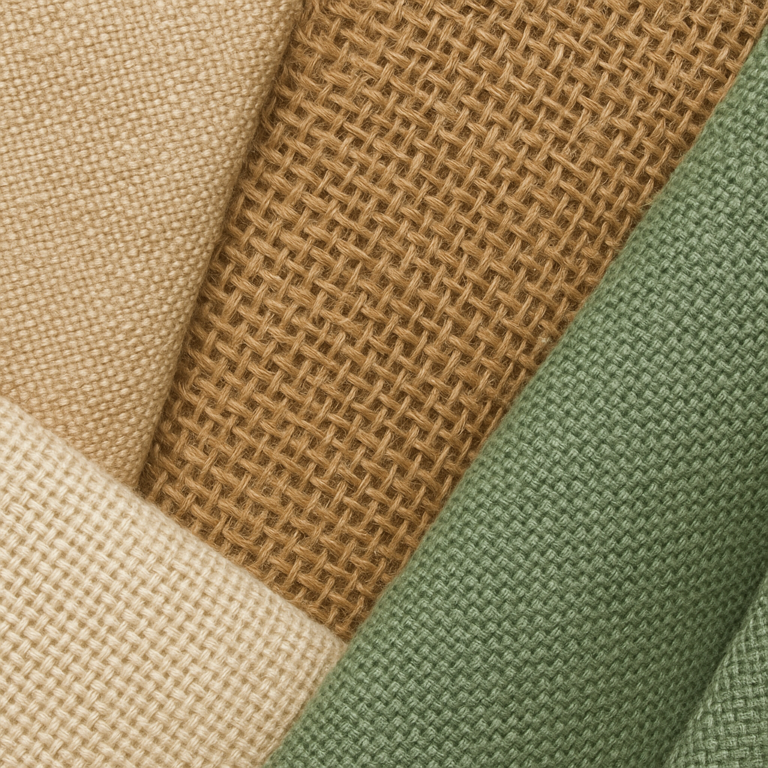
While virgin jute and hemp are already sustainable superstars (fast-growing, low-water crops), recycled versions take it a step further.
- How It’s Made: Typically sourced from pre-consumer waste like old burlap sacks or other industrial textiles, which are then processed back into usable fiber.
- Why We Love It: These materials are incredibly strong, durable, and biodegradable. They offer a rustic, earthy aesthetic that’s both stylish and sustainable.
- The Catch: They can be coarser than other materials and aren’t naturally water-resistant unless treated or laminated.
9. Innovative & Emerging Materials: The Future is Now! 🧪
The world of recycled bags is constantly evolving! We’re seeing incredible new materials made from things you’d never expect:
- Recycled Truck Tarps: The OG of upcycling, brands like Freitag create one-of-a-kind, ultra-durable messenger bags from decommissioned truck tarpaulins.
- Recycled Sails: Old sailboat sails are transformed into lightweight, water-resistant, and incredibly tough totes and duffels.
- Recycled Fire Hoses: Yes, really! This material is virtually indestructible and makes for a unique and rugged bag with a heroic backstory.
🔄 The Alchemy of Recycling: How Trash Transforms into Treasure
Ever wonder how your empty soda bottle actually becomes a stylish backpack? It’s not magic, but it’s pretty close! The process is a fascinating blend of grit and technology. While the exact steps vary by material, the general journey from trash to treasure follows a similar path.
H3: Collection & Sorting: The First Crucial Step 🔍
It all starts with you! When you toss a plastic bottle into a recycling bin or drop off your plastic bags at a designated store collection point, you’re kicking off the process.
- Collection: Waste is gathered from curbside programs, drop-off centers, and even large-scale recovery projects (like cleaning fishing nets from the ocean).
- Sorting: This is critical. At a Materials Recovery Facility (MRF), the items are sorted by material type (e.g., PET plastic vs. HDPE plastic) and color. This is often done using a combination of manual labor and high-tech optical scanners. Contamination (like a greasy pizza box in with clean paper) can ruin an entire batch, so proper sorting is key! As RTS.com points out, plastic bags require specialist machines because they can jam standard recycling equipment, which is why you can’t usually put them in your home recycling bin.
H3: Processing & Transformation: From Flakes to Fibers ✨
Once sorted, the real transformation begins. Let’s use a plastic bottle (rPET) as our example:
- Shredding & Washing: The bottles are ground down into small, clean flakes. They are washed thoroughly to remove any labels, caps, and leftover residue.
- Melting & Pelletizing: The clean flakes are melted down and extruded through tiny holes, forming long spaghetti-like strands. These strands are then cooled and chopped into small pellets. These pellets are the basic building blocks for new products.
- Extrusion & Spinning: For a bag, these pellets are melted again and forced through a device called a spinneret (think of a tiny showerhead) to create ultra-fine, continuous filaments.
- Yarn Creation: These filaments are then stretched, crimped, and spun together to create the soft, strong yarn that we know as recycled polyester. This yarn can then be woven into fabric, ready to be cut and sewn into your next favorite bag!
The process for recycled cotton or wool is more mechanical, involving shredding the textiles back into raw fiber and re-spinning them, but the core principle is the same: deconstruction followed by reconstruction.
💚 Why Go Recycled? The Irresistible Benefits of Sustainable Style
Okay, so recycled bags are made from cool stuff. But why should you really care? Choosing a recycled bag over one made from virgin materials is one of the most impactful style decisions you can make. Here at Purse Brands™, we believe it’s a win-win-win situation.
H3: Environmental Impact: A Breath of Fresh Air for Our Planet 🌎
This is the big one. The positive ripple effects on the environment are massive.
- ✅ Reduces Landfill Waste: Every recycled bag represents waste that isn’t sitting in a landfill for hundreds of years. Plastic bags, for instance, can take over 500 years to break down, releasing harmful microplastics in the process, according to research cited by RTS.com.
- ✅ Conserves Natural Resources: Creating materials from scratch is intensive. Making virgin polyester requires crude oil. Growing virgin cotton requires enormous amounts of water. By using what we already have, we significantly reduce our reliance on these precious resources.
- ✅ Saves Energy: The energy required to recycle a material is almost always lower than the energy needed to create it from raw materials. For example, producing recycled plastic uses about 88% less energy than producing plastic from raw materials.
- ✅ Lowers Carbon Footprint: Less energy consumption means fewer greenhouse gas emissions, helping to combat climate change.
H3: Economic & Social Perks: Beyond the Green 💰
The benefits extend beyond the environment.
- Supports a Circular Economy: Recycling creates jobs in collection, sorting, and manufacturing. It fosters a “circular” economic model where resources are kept in use for as long as possible, rather than a “linear” model of make-use-dispose.
- Promotes Innovation: The demand for sustainable products pushes companies to innovate, leading to the development of new materials and more efficient recycling processes.
- Often Supports Ethical Production: Many brands committed to recycled materials are also committed to ethical labor practices, often seeking out certifications like Fair Trade.
H3: Durability & Design: Style That Lasts 💪
Let’s bust a myth right now: recycled does not mean weak or ugly.
Honestly, some of the toughest bags we’ve ever tested have been made from recycled materials. Recycled nylon and polyester (rPET) are known for their strength, tear resistance, and water-repellent properties. They are mainstays in the outdoor gear industry for a reason!
And as for style? Forget the drab, shapeless sacks of yesteryear. Today’s designers are using recycled fabrics to create everything from sleek, minimalist totes perfect for the office to luxurious, statement-making clutches. Just look at our Designer Purse Brands guide; sustainability is a cornerstone of modern luxury.
🏷️ Decoding the Labels: Your Guide to Eco-Certifications & What They Really Mean
Navigating the world of sustainable fashion can feel like you need a Ph.D. in acronyms. What’s GRS? Is OEKO-TEX important? Don’t worry, we’ve got you. Think of these certifications as a trusted third-party verification—they do the homework so you don’t have to. Here are the key labels to look for on your next recycled bag.
H3: Global Recycled Standard (GRS): The Gold Standard ✅
If you see this label, you can feel confident in your purchase. The Global Recycled Standard (GRS) is the most comprehensive certification for recycled materials.
- What it Verifies:
- Recycled Content: Tracks and verifies the recycled material from the source to the final product. Products must contain at least 20% recycled material for GRS labeling.
- Chain of Custody: Ensures the integrity of the recycled material throughout the supply chain.
- Social & Environmental Practices: This is what sets it apart. GRS also audits for strict social requirements (like no child labor and fair wages) and environmental requirements (like chemical restrictions and water management).
H3: Recycled Content Standard (RCS): A Step Towards Transparency ✅
The Recycled Content Standard (RCS) is like GRS’s little sister. It focuses solely on verifying the recycled content.
- What it Verifies:
- Recycled Content: Tracks and verifies recycled material from source to final product.
- Chain of Custody: Ensures the integrity of the material.
- What it Doesn’t Cover: Unlike GRS, RCS does not have social or environmental processing requirements. It’s a good label, but GRS is better.
H3: OEKO-TEX Standard 100: Safety First! ✅
This one isn’t about recycling, but it’s crucial for your health. The OEKO-TEX® STANDARD 100 label means that every component of the item—from the fabric to the thread and zippers—has been tested for harmful substances and is therefore harmless for human health. When you see this on a recycled bag, it’s an extra layer of assurance.
H3: Bluesign®: Chemical Control & Sustainability ✅
The Bluesign® system is a holistic approach to sustainable textile production. It focuses on eliminating harmful substances right from the beginning of the manufacturing process.
- What it Verifies: It sets and controls standards for an environmentally friendly and safe production. This includes resource productivity, consumer safety, water emissions, air emissions, and occupational health & safety. A Bluesign® APPROVED fabric meets these strict criteria.
H3: Fair Trade Certified™: People & Planet ✅
This certification focuses on the “people” part of the equation. When you see the Fair Trade Certified™ seal, it means the product was made according to rigorous social, environmental, and economic standards. Workers receive fair wages, work in safe conditions, and a portion of the sale goes back to their community.
🤥 Greenwashing Alert! How to Spot the Fakes and Shop Smart
Ah, greenwashing. The frustrating practice where a brand spends more time and money marketing themselves as “green” than on actually minimizing their environmental impact. It’s a minefield out there! But as savvy shoppers, we can learn to spot the red flags. Here’s what to watch out for, based on our team’s countless hours of research (and a few eye-rolls). For more tips, check out our general Purse Shopping Guides.
H3: Vague Language & Buzzwords: Red Flags! 🚩
If a brand’s sustainability claims are fluffy and non-specific, be skeptical.
- Watch out for: “Eco-friendly,” “earth-conscious,” “green,” “natural.”
- What these words mean: Absolutely nothing without proof. They are unregulated marketing terms.
- What to look for instead: Specifics! “Made from 100% GRS-certified recycled nylon” is a strong claim. “Eco-friendly bag” is not.
H3: Lack of Transparency: Where’s the Proof? 🕵️♀️
A truly sustainable brand is proud of its practices and happy to share the details.
- Red Flag: The brand’s website has a pretty “sustainability” page with pictures of trees but no real information about their factories, materials, or supply chain.
- What to look for: A dedicated section on their website with detailed information. Do they name their suppliers? Do they publish an impact report? Do they have the certifications we mentioned above? Brands like Everlane built their reputation on “Radical Transparency” for a reason—it builds trust.
H3: Partial Recycled Content: The “Almost” Green Claim 📉
This one is tricky. A bag might be advertised as “made with recycled materials,” but that could mean the lining is 100% recycled while the main body of the bag is virgin plastic. Or it could mean the fabric is a blend containing only 5% recycled content.
- Red Flag: The brand isn’t specific about the percentage of recycled content or which parts of the bag are recycled.
- What to look for: Clarity. “Lining made from 100% recycled plastic bottles” or “Outer fabric made from 75% recycled cotton” are clear, honest statements.
Remember, if a deal or a claim seems too good to be true, it probably is. A little bit of healthy skepticism goes a long way in making truly sustainable choices.
💖 Love Your Bag, Love the Planet: Caring for Your Recycled Treasure
You’ve found the perfect recycled bag—hooray! Now, how do you make sure it lasts for years to come? The most sustainable bag is the one you already own, so proper care is essential. Extending the life of your bag is a huge part of the eco-friendly equation.
H3: Cleaning & Maintenance Tips 🧼
Before you do anything, always check the care label! But here are some general guidelines based on material:
- Recycled PET, Polyester & Nylon: These are usually the easiest to clean.
- Spot Clean: For most small stains, a damp cloth with a little mild soap is all you need.
- Hand Wash: If it needs a deeper clean, hand washing in cold water is your best bet. As Bulletin Bag advises, machine washing is often “not recommended.”
- Air Dry: ALWAYS air dry. A machine dryer can damage or melt the plastic-based fibers.
- Recycled Cotton:
- Spot Clean: First line of defense.
- Machine Wash (with caution): If the label allows, wash on a cold, gentle cycle to prevent shrinking and wrinkling.
- Air Dry: Lay it flat or hang it up to dry.
- Recycled Leather & Vegan Alternatives:
- Wipe Clean: Use a soft, damp cloth. For tougher spots on vegan leather, a little rubbing alcohol on a cotton ball can work wonders (test on an inconspicuous spot first!).
- Condition: For recycled leather, a leather conditioner can help keep it from drying out over time.
H3: Repair, Repurpose, & Recycle: Extending Life Cycles ✂️
Even the best bags can suffer a little wear and tear.
- Repair: A broken zipper or a torn strap doesn’t mean the end! A local tailor or cobbler can often work wonders for a small fee. Brands like Patagonia have amazing repair programs, reinforcing their commitment to longevity.
- Repurpose: If you’ve truly fallen out of love with your bag, could it find a new purpose? A large tote can become a storage bin for blankets. A small pouch can organize cables in a drawer.
- Recycle (Properly): If the bag is at the absolute end of its life, see if it can be recycled. Some brands have take-back programs. Textile recycling programs like TerraCycle can often handle mixed-material items that can’t go in your home bin.
🛍️ Purse Brands™ Picks: Our Top Recycled Bag Brands & Styles We Adore
Alright, let’s get to the good stuff! We’ve talked theory, now let’s talk treasure. Our team has spent countless hours curating and reviewing, and these are the brands that consistently knock our sustainable socks off. They prove that you never have to choose between ethics and aesthetics.
H3: Patagonia: Rugged & Responsible 🏔️
- Why We Love It: Patagonia isn’t just a brand; it’s an environmental movement. They were pioneers in using recycled materials and their commitment to durability, repair, and activism is legendary. Their bags are built to withstand anything you throw at them.
- Key Recycled Materials: Recycled polyester, recycled nylon. A huge percentage of their line uses recycled content.
- Perfect For: The adventurer, the student, the daily commuter. Their Black Hole® Duffels are iconic for a reason.
👉 Shop Patagonia on:
H3: Rothy’s: Chic & Sustainable from Bottles 👠
- Why We Love It: Rothy’s made recycled materials sleek, sophisticated, and office-appropriate. Their signature thread is spun from 100% recycled plastic water bottles, and the best part? The bags are fully machine washable. A game-changer!
- Key Recycled Materials: rPET (from plastic bottles).
- Perfect For: The busy professional who wants a stylish, low-maintenance bag that goes from boardroom to brunch. Their Lightweight Tote is a fan favorite.
👉 Shop Rothy’s on:
H3: Matt & Nat: Vegan Visionaries 🌿
- Why We Love It: Standing for “Material & Nature,” this brand has been committed to being vegan and cruelty-free from the start. While their main bag bodies are often made from high-quality vegan leathers (like PU), all their linings are made from 100% recycled plastic bottles. It’s a great example of integrating recycled content in a smart way. They are a staple in our Affordable Purse Brands category for their quality and style.
- Key Recycled Materials: Recycled plastic bottle linings.
- Perfect For: The minimalist fashionista looking for a classic, structured bag with a clean conscience.
👉 Shop Matt & Nat on:
H3: Fjällräven: Eco-Conscious Outdoor Adventures 🦊
- Why We Love It: Famous for their iconic Kånken backpack, Fjällräven has a deep commitment to sustainability. Their Re-Kånken is a stroke of genius—made entirely from polyester recycled from eleven plastic bottles and dyed with a special process that uses less water, energy, and chemicals.
- Key Recycled Materials: Recycled polyester.
- Perfect For: Students, creatives, and anyone who loves a pop of color and timeless, functional design.
👉 Shop Fjällräven on:
H3: Stella McCartney: Luxury Without Compromise ✨
- Why We Love It: A lifelong vegetarian, Stella McCartney has never used leather, fur, or feathers in her designs. She is a true leader in sustainable luxury. Her Falabella bag, with its signature chain detail, is often crafted from recycled polyester and lined with fabric from recycled water bottles. She’s a frequent feature in our Designer Spotlight for her unwavering commitment.
- Key Recycled Materials: Recycled polyester, ECONYL® regenerated nylon.
- Perfect For: The high-fashion devotee who wants to invest in a luxury handbag that aligns with their values. Check out our Luxury Handbag Reviews for more on her collection.
👉 Shop Stella McCartney on:
H3: Freitag: Upcycled Uniqueness 🚚
- Why We Love It: Freitag is the king of upcycling. Each bag is a one-of-a-kind piece of art, crafted from recycled truck tarpaulins, discarded bicycle inner tubes, and car seat belts. They are incredibly durable, water-repellent, and have a rugged, urban appeal that is impossible to replicate.
- Key Recycled Materials: Upcycled truck tarps, bicycle inner tubes, seat belts.
- Perfect For: The individualist who wants a bag with a story, a past, and a very long future.
👉 Shop Freitag on:
H3: Everlane: Radical Transparency, Recycled Style 👖
- Why We Love It: Everlane’s mission is to provide “Radical Transparency,” showing customers the true cost and story behind their products. Their ReNew line features sleek, modern bags and outerwear made from 100% recycled materials, primarily from plastic bottles.
- Key Recycled Materials: Recycled polyester (from plastic bottles).
- Perfect For: The modern consumer who values transparency, minimalist design, and high-quality basics.
👉 Shop Everlane on:
🚀 The Future is Circular: Innovations Shaping Sustainable Fashion
If you think recycled bags are cool now, just wait. We’re on the cusp of a full-blown materials revolution! The future of fashion isn’t just about recycling what we have; it’s about creating a truly circular system where waste is completely designed out.
What does that look like? Imagine bags made from materials that can be infinitely recycled back into the same high-quality product without any loss of integrity. Think of “smart” fabrics with digital tags that tell recyclers exactly what they’re made of, making the sorting process a breeze. We’re seeing incredible advancements in bio-fabrication (growing materials in a lab!) and chemical recycling that can break down complex fabrics back to their original molecules.
The goal is to move beyond simply “doing less harm” and start actively “doing more good.” It’s a future where your old bag doesn’t just avoid a landfill—it becomes the raw material for a brand new one, over and over again. And that, fashion lovers, is a future worth carrying.
✨ Conclusion: Carrying a Better Future, One Recycled Bag at a Time
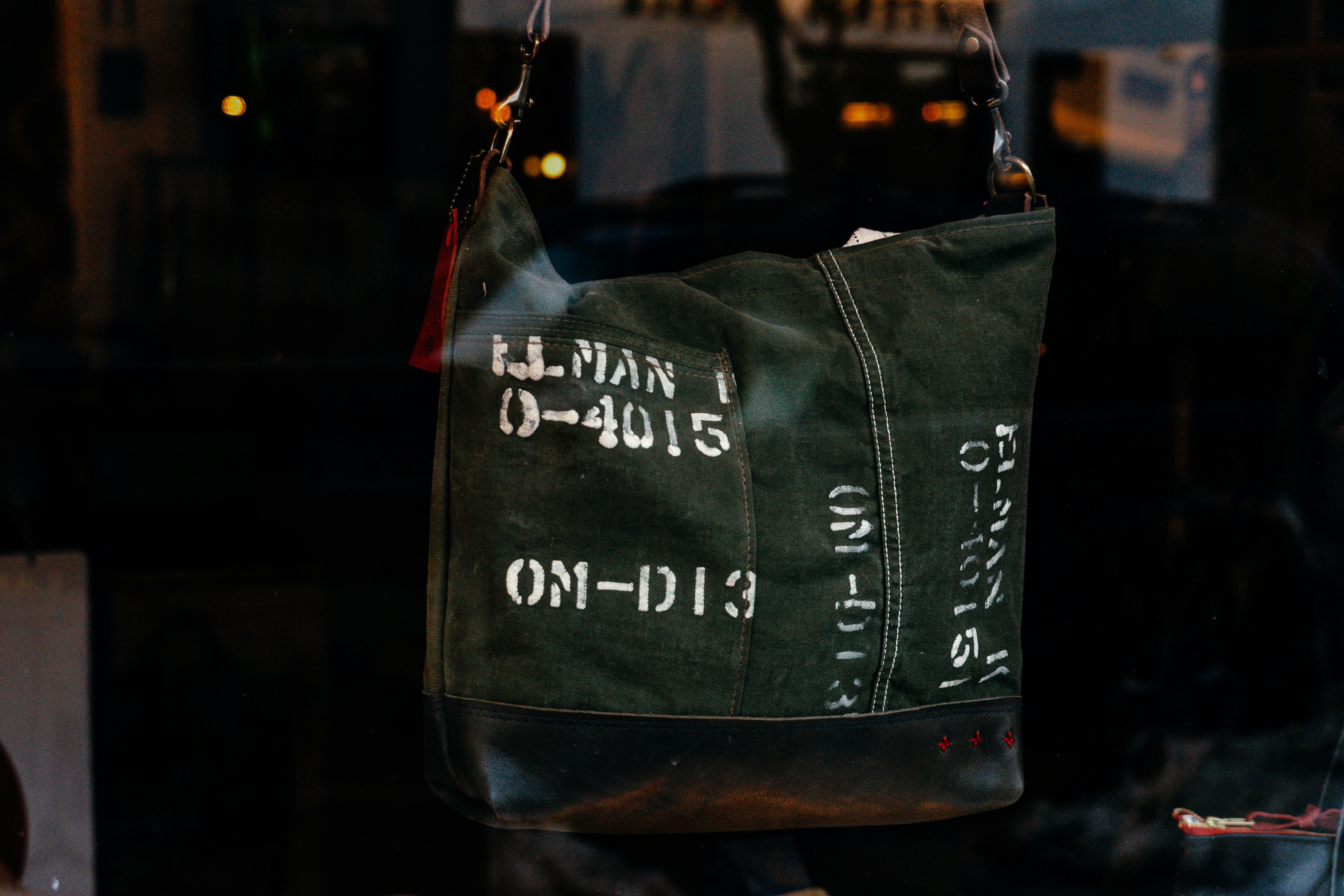
So, what have we uncovered on this journey through the world of recycled bags? From the humble plastic bottle’s transformation into sleek, durable rPET totes to the ocean-saving magic of recycled nylon fishing nets, recycled bags are far from boring or basic. They’re a vibrant, innovative, and essential part of sustainable fashion’s future.
Positives:
✅ Made from diverse, resource-saving materials like rPET, recycled cotton, nylon, and even upcycled truck tarps.
✅ Certified by trustworthy standards like GRS and OEKO-TEX, ensuring environmental and social responsibility.
✅ Durable, stylish, and often easier to care for than you’d expect.
✅ Help reduce landfill waste, conserve water and energy, and lower carbon footprints.
✅ Supported by brands ranging from Patagonia’s rugged reliability to Rothy’s chic washability and Freitag’s urban uniqueness.
Negatives:
❌ Recycling processes still consume energy and sometimes involve chemicals, so recycled isn’t a free pass—it’s part of a bigger sustainability puzzle.
❌ Beware of greenwashing; not all “recycled” claims are created equal. Transparency and certifications matter.
❌ Some recycled fibers may have shorter lifespans or require blending with virgin fibers for durability.
Our verdict? Recycled bags are a smart, stylish, and impactful choice for anyone who wants to look good and do good. They embody the future of fashion: circular, conscious, and creative. So next time you reach for a bag, why not choose one that’s carrying the planet’s story as well as your essentials?
Remember the question we teased earlier: Can trash truly become treasure? The answer is a resounding yes—and you’re holding it in your hands.
🔗 Recommended Links: Dive Deeper into Sustainable Fashion
Ready to shop or learn more? Here are some of our top picks and resources to keep your sustainable style game strong:
Shop Our Favorite Recycled Bag Brands:
-
Patagonia Bags:
Patagonia Official Website | Amazon -
Rothy’s Bags:
Rothy’s Official Website -
Matt & Nat Handbags:
Matt & Nat Official Website | Amazon -
Fjällräven Backpacks:
Fjällräven Official Website | Amazon -
Stella McCartney Bags:
Stella McCartney Official Website -
Freitag Upcycled Bags:
Freitag Official Website -
Everlane ReNew Collection:
Everlane Official Website
Recommended Reads on Sustainable Fashion & Materials:
-
Fashionopolis: The Price of Fast Fashion and the Future of Clothes by Dana Thomas
Amazon Link -
Wardrobe Crisis: How We Went From Sunday Best to Fast Fashion by Clare Press
Amazon Link -
The Sustainable Fashion Handbook by Sandy Black
Amazon Link
❓ FAQ: Your Burning Questions About Recycled Bags Answered
What materials are used to make eco-friendly bags?
Eco-friendly bags are made from a variety of sustainable materials, including:
- Recycled PET (rPET): Made from post-consumer plastic bottles, transformed into durable polyester fabric.
- Recycled Cotton: Produced by shredding and respinning cotton scraps from textile waste or old garments.
- Recycled Nylon: Often sourced from discarded fishing nets and industrial waste, regenerated into high-quality nylon yarn.
- Recycled Polyester: Includes rPET and other recycled polyester fibers from industrial or post-consumer waste.
- Recycled Polypropylene: Used for reusable grocery bags, made from recycled plastic containers or packaging.
- Recycled Leather: Created from leather scraps bonded into new material.
- Natural Fibers (Recycled Jute, Hemp, Wool): Upcycled from pre-consumer waste or old textiles.
These materials reduce reliance on virgin resources and divert waste from landfills, making them environmentally preferable.
Read more about “12 Ethical High-End Bag Brands You’ll Love in 2025 🌿”
Are reusable bags really better for the environment than single-use bags?
Yes! Reusable bags, especially those made from recycled or sustainable materials, have a significantly lower environmental impact over their lifespan compared to single-use plastic or paper bags.
- Reduced Waste: Single-use bags often end up in landfills or oceans, taking centuries to degrade.
- Lower Resource Use: Reusable bags require more resources to produce but are designed for multiple uses, spreading out their environmental cost.
- Energy Savings: Using a reusable bag just a few times offsets the energy used in its production.
- Avoids Microplastic Pollution: Single-use plastic bags break down into microplastics that contaminate ecosystems.
However, the key is to use reusable bags consistently and care for them properly to maximize their benefits.
Read more about “9 Must-Have Eco Friendly Tote Bags Custom for 2025 🌿”
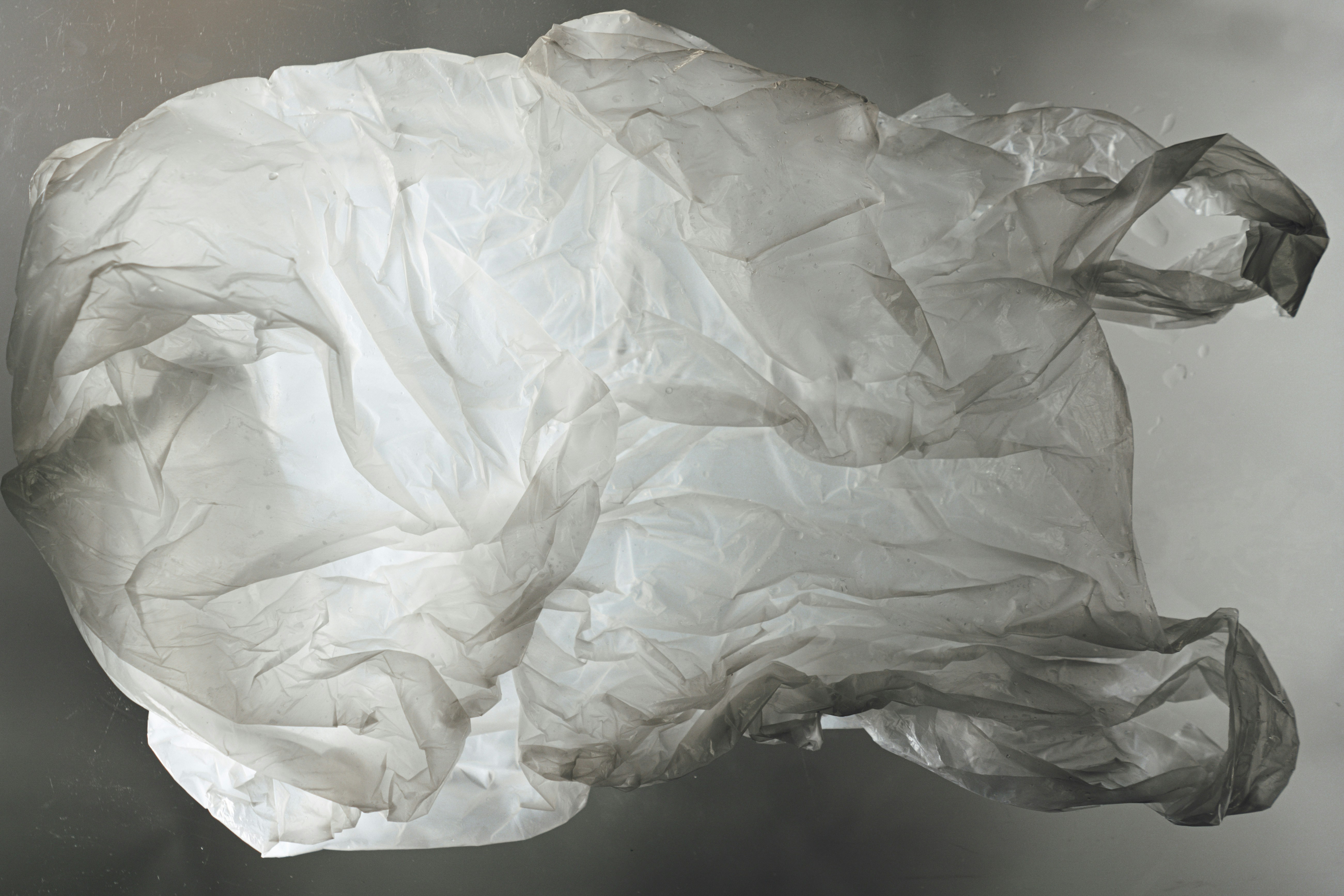
How are plastic bags recycled into new bags and products?
Plastic bags are typically made from polyethylene (HDPE, LDPE, or LLDPE). The recycling process involves:
- Collection: Bags are gathered from drop-off points (curbside recycling usually doesn’t accept them).
- Sorting & Cleaning: Bags are sorted by type and color, then cleaned to remove contaminants.
- Shredding: Clean bags are shredded into flakes.
- Melting & Pelletizing: Flakes are melted and formed into pellets.
- Reprocessing: Pellets are melted and extruded into new plastic films or fibers.
- Manufacturing: These recycled materials are used to make new bags, plastic lumber, or other products.
Because plastic bags can jam recycling machinery, specialized equipment is required, and many retailers offer dedicated drop-off bins.
Read more about “Can Handbags Be Recycled? 7 Must-Know Facts for 2025 ♻️👜”
Can any type of plastic be turned into a recycled bag?
Not all plastics are equally recyclable into bags. The most common plastics used are:
- HDPE (High-Density Polyethylene): Used for grocery bags and milk jugs; highly recyclable.
- LDPE (Low-Density Polyethylene): Used for plastic bags and films; recyclable but requires specialized processing.
- LLDPE (Linear Low-Density Polyethylene): Similar to LDPE, used in bags and wraps.
Other plastics like PVC or polystyrene are generally not recycled into bags due to their chemical properties and recycling challenges. The quality and cleanliness of the plastic also affect recyclability.
Read more about “Are Leather Bags Eco-Friendly? 10 Truths You Need to Know (2025) 🌿”
📚 Reference Links: Our Sources for Sustainable Wisdom
- Reusable Bag Materials: Which Option is Best? | Bulletin Bag
- Washington State Plastic Bag Ban Regulations
- Plastic Recycling Facts | RTS
- Global Recycled Standard (GRS) | Textile Exchange
- OEKO-TEX Standard 100
- Bluesign® System
- Fair Trade Certified™
- Patagonia Bags
- Rothy’s Bags
- Matt & Nat Handbags
- Fjällräven Backpacks
- Stella McCartney Bags
- Freitag Upcycled Bags
- Everlane ReNew Collection
We hope this deep dive has inspired you to embrace recycled bags—not just as a fashion statement, but as a powerful step toward a healthier planet. Ready to carry the change? We thought so. 😉