Support our educational content for free when you purchase through links on our site. Learn more
Handbag Investment Value & Sustainability: What Lasts? 👜


Handbag investment value sustainability comes down to choosing a bag you’ll use, care for, and keep in circulation—not betting on a guaranteed resale profit. Some luxury styles attract strong secondhand demand, but condition, authenticity, materials, repairability, and changing tastes all shape their real-world value.
We’ve seen shoppers fall for the “investment bag” pitch, then hesitate to carry the bag in the rain or on the subway. A handbag only earns its keep if it works for your life; resale value is a possible bonus, not a promise.
Key Takeaways
- No handbag is a guaranteed financial investment. Research the exact model and compare completed resale sales, not just retail prices or active listings.
- Personal value matters: a useful bag you carry often may be a better buy than a rare style you’re afraid to use.
- Sustainability involves more than materials. Consider sourcing, durability, repair options, and how long the bag will stay in use.
- Pre-owned and vintage bags can extend a product’s life—especially when they replace a new purchase and are carried for years.
- Condition and authenticity affect resale. Keep records, care for the bag properly, and use trustworthy authentication and selling channels.
- Buy with both your wardrobe and values in mind. Treat future resale as uncertain, and choose a bag you’d still want if its market value fell.
Table of Contents
- ⚡️ Quick Tips and Facts: Handbag Investment Value and Sustainability
- 👜 What Makes a Handbag an Investment? Value, Cost per Wear, and Resale
- 📚 The History of Luxury Handbags as Wearable Assets
- 📈 How Handbag Investment Value Is Measured
- Retail Price vs. Resale Value: What the Numbers Really Mean
- Depreciation, Appreciation, and Cost per Wear
- The Hidden Costs: Repairs, Authentication, Storage, and Selling Fees
- 🏆 10 Handbag Brands and Styles With Strong Resale Potential
- 1. Hermès Birkin and Kelly
- 2. Chanel Classic Flap and 2.55
- 3. Louis Vuitton Speedy and Neverfull
- 4. Goyard Saint Louis Tote
- 5. Dior Lady Dior
- 6. Gucci Jackie and Horsebit 195
- 7. Bottega Veneta Andiamo and Intrecciato Styles
- 8. Prada Re-Edition and Galleria
- 9. Celine Triomphe and Luggage
- 10. Loewe Puzzle and Flamenco
- 🔍 The Details That Affect a Bag’s Resale Value
- Brand, Model, and Timeless Design
- Condition, Material, Color, and Size
- Rarity, Limited Editions, and Celebrity Visibility
- Proof of Authenticity, Receipts, and Original Packaging
- 🌱 Handbag Sustainability: Materials, Craftsmanship, and Environmental Impact
- Leather, Exotic Skins, and Animal Welfare
- Vegan Leather, Recycled Materials, and Their Trade-Offs
- Supply Chains, Tanning, Labor, and Brand Transparency
- Durability and Repairability as Sustainability Measures
- ♻️ Are Pre-Owned and Vintage Handbags More Sustainable?
- How Buying Secondhand Can Extend a Bag’s Life
- When Resale Has Less Environmental Impact—and When It May Not
- Vintage Handbags vs. New “Sustainable” Collections
- ⚖️ Handbag Investment Value vs. Sustainability: Finding the Balance
- 🛍️ How to Choose a Handbag You’ll Use, Keep, and Resell
- Set a Budget and Define Your Investment Goal
- Choose a Practical Size, Color, and Silhouette
- Buy New, Pre-Owned, or Vintage?
- Questions to Ask Before You Buy
- ✅ How to Authenticate a Designer Handbag Before Buying
- Stitching, Hardware, Logos, and Materials
- Serial Numbers, Date Codes, and Brand Authentication Policies
- Using Independent Authentication Services and Resale Platforms
- Common Counterfeit Red Flags
- 🧼 How to Care for a Handbag and Protect Its Long-Term Value
- Cleaning and Conditioning Different Materials
- Storage, Shape, Light, and Humidity
- Repairs, Restoration, and Brand Spa Services
- 💸 How to Sell or Consign a Handbag for the Best Return
- Private Sale, Consignment, Buyout, or Trade-In
- How to Price a Bag Using Comparable Sales
- Preparing Photos, Documents, and Condition Details
- Resale Fees, Payouts, Timing, and Buyer Protection
- ⚠️ Handbag Investment Risks and Common Myths
- Why Most Handbags Are Not Guaranteed Investments
- Brand Price Increases Don’t Guarantee Resale Gains
- Trends, Market Volatility, and the Cost of Holding
- 🧠 Quick Tips for a Smarter, More Sustainable Handbag Purchase
- 🔗 Recommended Links
- ❓ FAQ: Handbag Investment Value and Sustainability
- Which handbag brands hold their value best?
- Can a handbag be a better investment than stocks or gold?
- Are luxury handbags sustainable?
- Is buying a pre-owned designer bag more eco-friendly?
- Do Chanel and Hermès bags always increase in value?
- What is the most sustainable handbag material?
- How can I protect a handbag’s resale value?
- Should I buy a handbag for resale or personal use?
- 📖 Reference Links
⚡️ Quick Tips and Facts: Handbag Investment Value and Sustainability
For a broader look at labels making sustainability part of their handbag story, start with our guide to Sustainable Handbag Brands. At Purse Brands™, our stylists help you find your ideal purse brand by weighing how a bag looks, works, wears, and resells—not just how famous its logo is.
The short version: a handbag can be a smart personal investment and a strong resale item, but it is not a guaranteed financial asset. Sustainability also takes more than a durable leather exterior: material sourcing, production, repairability, and how long the bag stays in use all matter.
| Quick fact | What it means for you |
|---|---|
| Resale value varies widely | Brand, model, condition, color, demand, authenticity, and selling method all affect what a buyer will pay. |
| Retail price increases aren’t resale guarantees | A brand raising its new-bag prices does not automatically raise what secondhand buyers will pay. |
| Cost per wear can matter more than resale | A bag you love and use regularly may deliver better practical value than a “collectible” you keep in a box. |
| Secondhand can extend a bag’s useful life | Buying pre-owned keeps an existing item in circulation, though it does not automatically erase the impacts of its original production. |
| Care protects both usefulness and value | Avoid overstuffing, harsh cleaners, damp storage, and letting small repairs become big ones. |
| No style is a sure thing | Even sought-after bags can lose value when trends shift or condition suffers. |
✅ Our stylist rule: buy for the life you’ll actually live with the bag. Treat resale as a possible bonus—not a promise. For an independent look at fashion’s environmental claims, see the United Nations Environment Programme’s overview of sustainability and circularity in fashion.
👜 What Makes a Handbag an Investment? Value, Cost per Wear, and Resale
“Investment handbag” gets used for two different things: a bag you enjoy and use over time, and a bag expected to retain or increase its resale value. Those ideas can overlap, but they are not interchangeable.
A handbag has personal value when it suits your wardrobe, holds what you need, and feels good to carry. It has resale value when another buyer wants that particular brand, model, material, size, and condition. A bag may score beautifully on the first measure and only modestly on the second—and that can still be a perfectly good purchase.
The luxury market can make investment talk sound like a sure bet. The summary of a video featured in this article notes the appeal of brand recognition, quality, and exclusivity, and includes the line, “Handbags are a smart investment for a lot of people.” That’s a viewpoint, not a guarantee: the same video summary stresses condition, desirability, rarity, and proper care. See the video at #featured-video for that perspective.
A practical definition of handbag investment value
We suggest asking three questions:
- Will you use it? A versatile bag that works for your actual routine can earn value through years of wear.
- Can it stay in good condition? Durable materials, sound construction, and available repair services can make a difference.
- Is there evidence of demand? Look at comparable completed sales where available, not only asking prices or a brand’s current retail prices.
For more background on design heritage and recognizable silhouettes, browse our Iconic Handbags and Designer Spotlight categories.
Investment value versus cost per wear
Cost per wear is a simple way to evaluate personal value:
Purchase cost ÷ number of wears = cost per wear
It does not predict resale or environmental impact, but it helps explain why the “best investment” may be the workhorse bag you carry constantly, rather than the rare one you’re afraid to take outside. For a new bag, you can also compare against a pre-owned version. For an accessible alternative, explore our Affordable Purse Brands.
📚 The History of Luxury Handbags as Wearable Assets

Handbags have long carried more than keys and a lipstick. They can signal status, craftsmanship, taste, and affiliation with a particular design house. Classic styles—think the Hermès Kelly, Chanel 2.55, Louis Vuitton Speedy, or Dior Lady Dior—have histories and recognizable design cues that can help sustain interest beyond one season.
But heritage isn’t magic. An old style can be well known and still have a resale price shaped by its current condition, availability, and buyer demand. A vintage bag with worn corners, sticky lining, or missing components may need costly restoration; another from the same era could be a collector favorite.
That is why we separate cultural significance from financial performance. The first is about design and history. The second depends on actual transactions in a changing market. For a brand’s own history and current designs, consult official pages such as Chanel’s fashion collections, Hermès’ women’s bags, and Louis Vuitton’s women’s handbags.
📈 How Handbag Investment Value Is Measured
There is no universal handbag index that tells you exactly what your bag will be worth next year. Resale estimates are snapshots, and different platforms may show different prices because their audiences, fees, authentication processes, and sales formats differ.
For a more grounded estimate, research the exact model, size, material, color, and condition. A price tag on an active listing is what a seller hopes to receive; it does not show what a buyer actually paid.
Retail Price vs. Resale Value: What the Numbers Really Mean
| Figure you see | What it tells you | What it does not tell you |
|---|---|---|
| Current retail price | What a brand currently charges for a comparable new item | What your older bag will sell for |
| Resale asking price | The seller’s listed expectation | Whether a buyer will accept it |
| Completed sale price | Evidence of a transaction, if accurately reported | Your net payout after fees, shipping, and any repairs |
| Consignment estimate | A platform’s opinion of likely selling value | A guaranteed sale price or timeline |
| Brand price increase | New retail pricing has changed | That secondhand demand has increased at the same rate |
The Real’s guide to Prada purse resale and investment value says that some Prada bags may resell for their original price or more, while also emphasizing that returns are not guaranteed. That distinction is the one to keep: an exceptional resale outcome is possible, but it is not a reliable forecast for every bag.
Depreciation, Appreciation, and Cost per Wear
A bag’s market value may rise, fall, or hold steady. It can also do all three at different points in its life. Demand can shift with fashion cycles, availability, brand strategy, celebrity visibility, and consumer taste.
To judge the full picture, track:
- Net resale proceeds: expected sale amount minus platform fees, shipping, authentication, and any repairs.
- Personal use: how often you carry it and how well it fits your lifestyle.
- Condition: wear to corners, handles, lining, hardware, and straps.
- Time: an item may take months to sell, especially if you hold out for a stronger offer.
- Opportunity cost: money tied up in a handbag cannot be used elsewhere.
A bag is a fashion purchase first. If you need dependable financial growth, handbags are not a substitute for diversified investments or advice from a qualified financial professional.
The Hidden Costs: Repairs, Authentication, Storage, and Selling Fees
A tempting resale estimate can shrink once you account for the practical details. Ask whether your bag needs cleaning or repair, whether the platform charges a seller commission, who pays for shipping, and what happens if authentication is disputed.
Storage also has a real cost in space and attention. Leather can dry or stain; suede can mark; adhesives and coatings may deteriorate in poor conditions. Keep proof of purchase and service records, but store them separately from the bag.
🏆 10 Handbag Brands and Styles With Strong Resale Potential
These are models worth researching, not guaranteed investments. Market demand can change; condition, exact configuration, and selling channel matter. We chose familiar styles with established brand recognition and active fashion audiences. For every candidate, compare recent completed sales and inspect the specific bag carefully.
| Brand and style | Why shoppers seek it | Watch-outs |
|---|---|---|
| Hermès Birkin and Kelly | Heritage, craftsmanship, and strong collector interest | Authentication, condition, configuration, and access can be complex |
| Chanel Classic Flap and 2.55 | Iconic silhouettes and broad recognition | Retail-price history does not promise resale gains; inspect corners and chain |
| Louis Vuitton Speedy and Neverfull | Familiar, practical designs with wide secondhand visibility | High supply means print, size, condition, and authenticity matter |
| Goyard Saint Louis | Recognizable coated-canvas tote | Check handles, corners, interior, and authenticity |
| Dior Lady Dior | Distinctive cannage quilting and strong house identity | Shape, charm condition, and leather wear affect desirability |
| Gucci Jackie and Horsebit 195 | Heritage details and versatile shoulder-bag silhouettes | Seasonal versions may differ in demand |
| Bottega Veneta Andiamo and Intrecciato | Signature woven leather and recognizable craftsmanship | Woven leather needs careful inspection and maintenance |
| Prada Re-Edition and Galleria | Nylon and Saffiano options with clear brand identity | Color and model popularity vary; assess material wear |
| Celine Triomphe and Luggage | Strong design codes and loyal brand following | Demand may vary between classic and trend-led versions |
| Loewe Puzzle and Flamenco | Distinctive construction and modern design appeal | Shape, panel condition, and current demand are key |
1. Hermès Birkin and Kelly
Birkin and Kelly bags have substantial recognition, but the name alone does not establish an individual bag’s value. Size, leather, hardware, color, condition, provenance, and buyer trust all matter. For brand information, see Hermès’ official bag selection.
✅ Stylist view: consider them only if you appreciate the design and can verify the specific bag.
❌ Buyer beware: scarcity narratives can make it harder to compare like with like.
2. Chanel Classic Flap and 2.55
The Classic Flap and 2.55 have recognizable quilting, chain straps, and design histories. That recognition supports interest, but it does not make every condition or version equally desirable. Review Chanel’s official fashion collections and compare the exact model with authenticated secondhand examples.
The referenced Medium article, “Is a Chanel Handbag Actually a Good Investment?”, is worth reading as a discussion prompt; its content could not be independently verified from the available summary, so we do not treat it as evidence for a specific return.
3. Louis Vuitton Speedy and Neverfull
The Speedy and Neverfull are practical, familiar styles with broad visibility in the resale market. That same popularity can mean more competing listings, so a common model may need excellent condition, a desirable configuration, and persuasive documentation to stand out. See Louis Vuitton’s official handbag collection.
4. Goyard Saint Louis Tote
The Saint Louis is known for a lightweight tote format and recognizable Goyardine canvas. When evaluating a pre-owned example, inspect the handles, corners, interior, and any repairs closely. Go directly to Goyard’s official site for brand information; confirm current product details through the brand.
5. Dior Lady Dior
The Lady Dior’s structured shape, cannage motif, and charms make it easy to identify. For resale, check whether the bag stands properly, whether the handles retain their shape, and whether the charms and hardware are present and in good condition. Browse Dior’s official bags.
6. Gucci Jackie and Horsebit 195
Both styles draw on Gucci’s design vocabulary, but specific versions can have different levels of demand. A classic silhouette may appeal to more buyers than an unusually seasonal finish, though taste is never universal. See Gucci’s official handbag collection.
7. Bottega Veneta Andiamo and Intrecciato Styles
Bottega Veneta’s woven leather is a strong visual signature. The texture also means you should check for pulled or damaged strips, uneven wear, and changes to the bag’s shape. Find current designs at Bottega Veneta’s official bags page.
8. Prada Re-Edition and Galleria
The Re-Edition offers a recognizable nylon-led look, while the Galleria is associated with structured Saffiano leather. The Real’s Prada resale guide identifies condition, material, availability, popularity, and resale strategy as influential factors—and cautions that a return is not certain.
A durable material can support years of use, but durability alone does not prove lower environmental impact. For Prada’s current collections and brand information, see Prada’s official site.
9. Celine Triomphe and Luggage
Celine’s Triomphe and Luggage designs have distinct signatures, but their resale performance may differ by era, size, material, and condition. Compare the exact model rather than assuming all Celine bags behave alike. See Celine’s official handbags.
10. Loewe Puzzle and Flamenco
The Puzzle’s panel construction and the Flamenco’s soft shape give each a clear identity. Check panel seams, leather softness, corners, and whether the bag retains its intended shape. Browse Loewe’s official women’s bags.
🔍 The Details That Affect a Bag’s Resale Value
Resale value is a bundle of small judgments, not a logo-only calculation. The better the match between a bag and what secondhand shoppers currently want, the stronger its prospects may be.
Brand, Model, and Timeless Design
A respected brand can attract attention, but specific models matter more than a brand name in the abstract. A house may produce both enduring classics and short-lived seasonal pieces. Look for a style with sustained interest, functional design, recognizable features, and consistent availability of authentication or service information.
Condition, Material, Color, and Size
A neutral color may suit more wardrobes, but vivid colors can attract dedicated buyers. A small bag may be easy to style and store; a larger one may fit work or travel needs. Neither category automatically wins.
When assessing condition, inspect:
- Exterior corners, base, and visible panels
- Handles, shoulder straps, and attachment points
- Interior lining, pockets, and odors
- Hardware plating, zippers, clasps, and feet
- Leather dryness, cracking, color transfer, and stains
- Coated canvas for peeling, cracking, or tackiness
- Any alterations, repairs, or replaced parts
Prada’s resale-value guide similarly points to material, quality, condition, age, availability, popularity, and strategy as factors in resale outcomes.
Rarity, Limited Editions, and Celebrity Visibility
Rarity can create interest, but rarity without buyers is simply scarcity. A limited edition may be highly collectible—or too unusual for a broad audience. Celebrity visibility can raise attention, but trends are fickle. We recommend treating rarity and publicity as supporting clues, not proof of future value.
Proof of Authenticity, Receipts, and Original Packaging
A receipt, dust bag, box, care booklet, or service record may help document a purchase, but accessories do not authenticate a bag by themselves. Counterfeit packaging exists, and authentic bags may be sold without their original extras.
Keep documents safe and never publish personal details such as full receipts with addresses or payment information. For a pre-owned purchase, seek a credible seller, a clear return policy, and a robust authentication process.
🌱 Handbag Sustainability: Materials, Craftsmanship, and Environmental Impact
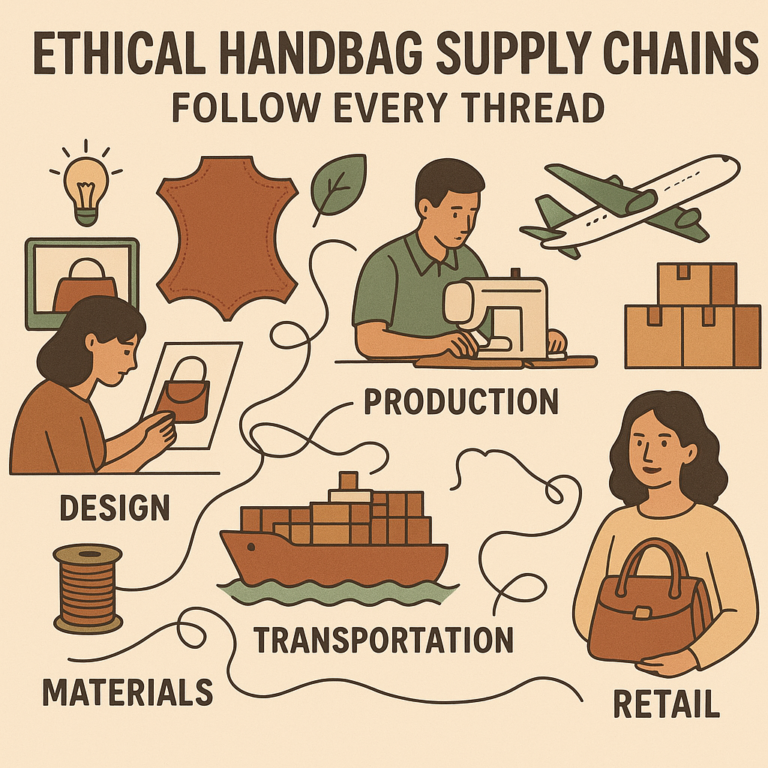
A bag that lasts can be part of a more considered wardrobe, but longevity is only one part of sustainability. Production, raw materials, processing, labor, transportation, repair, and end-of-life all contribute to a product’s impact.
A claim such as “made to last” is useful only when supported by real construction quality and care options. The UN Environment Programme’s work on sustainability and circularity in fashion offers broader context on why keeping products in use matters—while also reminding us that a single purchase cannot solve an industry-wide problem.
Leather, Exotic Skins, and Animal Welfare
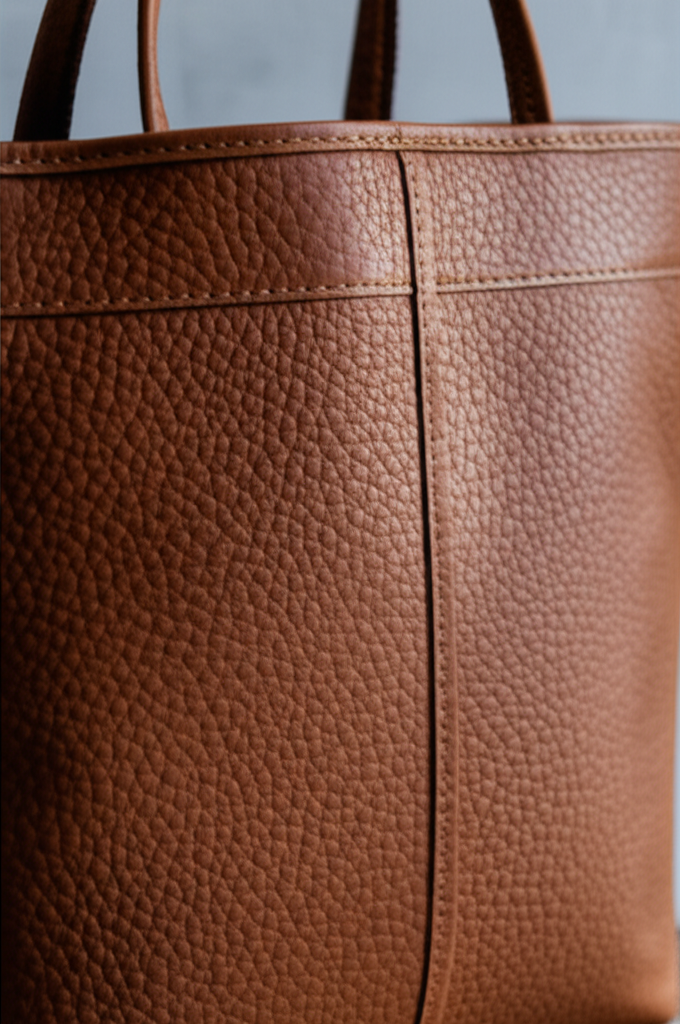
Leather can be durable and repairable, but its impacts depend on animal sourcing, processing, tanning, and supply-chain practices. Exotic skins raise additional questions about wildlife trade, traceability, and animal welfare. A luxury label does not automatically answer those questions.
When evaluating a brand, look for specific, current information on:
- Material sourcing and traceability
- Tanning and chemical management
- Animal-welfare standards
- Supplier oversight
- Repair and take-back programs
- Independent reporting or certification
If a brand provides only broad language such as “responsibly made,” ask what that means in practice. Transparency is more useful than a polished sustainability slogan.
Vegan Leather, Recycled Materials, and Their Trade-Offs
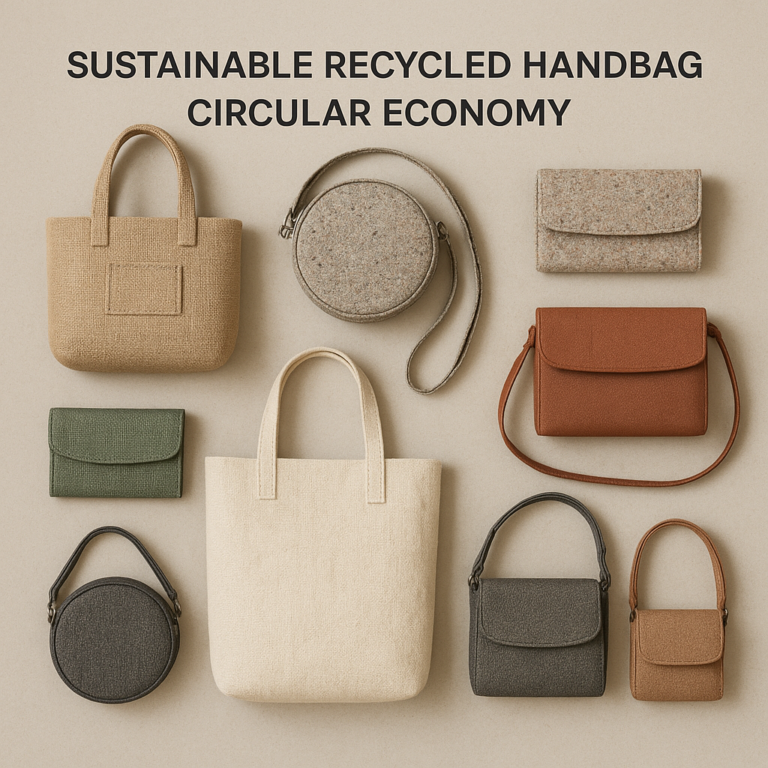
“Vegan leather” describes a product without animal leather, but the term covers many materials. Some alternatives rely on plastic-based coatings; others use plant-derived feedstocks, recycled content, or blends. Their durability and end-of-life options differ.
| Material family | Potential benefit | Questions to ask |
|---|---|---|
| Conventional leather | Can be long-wearing and repairable | How are the hide and tanning processes managed? |
| Recycled synthetic | May use recovered feedstock | What proportion is recycled, and can the item be repaired or recycled again? |
| Plant-derived alternative | May reduce reliance on conventional animal leather | What binders, coatings, and backing materials are used? |
| Recycled textile or nylon | Can make use of existing synthetic material | Is the fabric durable, repairable, and clearly traceable? |
| Coated canvas | Often lightweight and practical | Can it be repaired, and how does the coating age? |
The key is not to crown one material as universally “green.” A long-lived, repairable item with transparent sourcing may be a better choice for you than a material marketed as eco-friendly but difficult to maintain or dispose of.
Supply Chains, Tanning, Labor, and Brand Transparency
Sustainability includes people as well as materials. Ask whether the brand reports on supplier standards, labor protections, environmental management, and the origin of key materials. Look for measurable information and clear explanations of limitations.
For broader context, the United Nations Environment Programme discusses circularity in fashion. Use that lens when reading a brand’s own claims: what is being measured, by whom, and over what part of the supply chain?
Durability and Repairability as Sustainability Measures
A bag that survives frequent use and can be repaired may stay in service longer. Check whether the brand offers repairs, replacement components, or care guidance. Also consider whether the construction is practical to maintain: a delicate finish or difficult-to-replace strap can shorten an item’s useful life for an active owner.
At Purse Brands™, we tell clients to think beyond the first unboxing. Ask, “Can I carry this in rain? Can a cobler repair it? Will I still want it in five years?” The answers are more illuminating than a leaf icon on a hangtag. 🌿
♻️ Are Pre-Owned and Vintage Handbags More Sustainable?
Often, buying pre-owned can extend a product’s use and reduce demand for a newly made replacement. But the environmental benefit depends on what the purchase changes. If a secondhand bag replaces a new purchase and is used for years, the case is stronger than if it simply adds another item to an overflowing closet.
How Buying Secondhand Can Extend a Bag’s Life
Secondhand shopping puts existing bags back into circulation. It can also make craftsmanship and materials more accessible. Check:
- Seller credibility: Is there a clear business identity and customer-support process?
- Authentication: Who evaluates the bag and what happens if it fails?
- Condition grading: Are defects photographed and described?
- Returns: Can you return it if the item differs from the listing?
- Repair needs: Do you know who can service the material and what work is possible?
For organization and care ideas that help any bag stay in use, visit our Handbag Organizing Tips.
When Resale Has Less Environmental Impact—and When It May Not
Resale is not impact-free. Shipping, packaging, cleaning, repair, returns, and extra purchases all have consequences. The more useful question is: does this purchase help you avoid buying a new product, and will you use it for a meaningful stretch of time?
A secondhand purchase may also be a poor fit if the bag needs extensive restoration or if you buy it only because you think it will appreciate. Use first, resale speculation second.
Vintage Handbags vs. New “Sustainable” Collections
A vintage bag has already been produced, which can make extending its life appealing. A new collection labeled sustainable may use recycled or lower-impact materials, but the label should be assessed against the product’s construction, supply chain, repair options, and expected lifespan.
There is no automatic winner. Compare the specific vintage item with the specific new product—including condition, material transparency, fit, durability, and how likely you are to carry it.
⚖️ Handbag Investment Value vs. Sustainability: Finding the Balance
Resale value and sustainability can support each other when a durable, desirable bag stays in use and is later passed to another owner. But they can also pull in different directions. A rare bag may command attention while relying on opaque sourcing; a thoughtfully produced bag may have little resale demand.
Our balanced approach:
- Choose use over hype. A bag that fits your routine is more likely to earn its keep.
- Favor repairable construction. Ask about service and maintenance before buying.
- Research the material and supply chain. Don’t infer sustainability from price or prestige.
- Consider pre-owned options. Especially when you want an established style and can verify condition.
- Treat resale as uncertain. Use conservative expectations and account for selling costs.
- Avoid overbuying for the “investment” story. More bags do not automatically make a more sustainable wardrobe.
The video perspective linked at #featured-video emphasizes quality, brand recognition, exclusivity, and care. Those can help explain desirability, but they do not replace environmental evidence. That distinction is the thread tying the whole topic together.
🛍️ How to Choose a Handbag You’ll Use, Keep, and Resell
The best purchase is not necessarily the rarest or most expensive. It is the one you can afford, authenticate, carry comfortably, and care for.
Set a Budget and Define Your Investment Goal
Before browsing, decide which kind of value matters most:
- Practical value: capacity, comfort, and everyday usefulness
- Style value: how well it works with your wardrobe
- Resale value: likely demand and condition sensitivity
- Sustainability value: material transparency, durability, repair, and secondhand options
Set a firm budget that includes potential authentication, maintenance, repairs, and resale fees. If the bag only makes sense financially after assuming a future profit, the plan is too optimistic.
Choose a Practical Size, Color, and Silhouette
Try mapping your usual carry: phone, wallet, keys, glasses, water bottle, work items, or a small pouch. Then consider:
- Will the strap sit comfortably on your shoulder?
- Does the opening make everyday access easy?
- Is the weight reasonable when full?
- Does the material suit your climate and habits?
- Can you style the color with clothes you already own?
A neutral bag may be easy to resell to a broad audience, but only choose one if you actually enjoy wearing it. Personal style is not a spreadsheet.
Buy New, Pre-Owned, or Vintage?
| Route | Advantages | Trade-offs |
|---|---|---|
| New from the brand | Clear provenance and direct access to current service policies | Highest uncertainty about future resale; production impact is new |
| Pre-owned from a reputable seller | May extend product life and offer access to past styles | Condition, authenticity, and return terms need careful review |
| Vintage | Distinctive designs and long-use potential | May require specialist authentication, repair, or material care |
For a new purchase, use the brand’s official channel where possible. For resale, prioritize a detailed listing, authentication terms, and a return policy over a seductive “investment-grade” label.
Questions to Ask Before You Buy
- What exact model, size, material, and year is this?
- Are there clear photos of corners, handles, lining, and hardware?
- Is the item authenticated, and by whom?
- Are repairs or alterations disclosed?
- Can the brand or an independent specialist service it?
- What is the seller’s return policy?
- What do comparable completed sales—not just active listings—suggest?
- Will I carry it if resale value falls?
If the answer to that last question is no, pause. A bag’s most dependable return is the enjoyment and use you get from it.
✅ How to Authenticate a Designer Handbag Before Buying
Authentication is model-specific and can be difficult even for experienced shoppers. No single clue—serial number, logo, stitching, box, or receipt—proves authenticity on its own.
Stitching, Hardware, Logos, and Materials
Compare the item with reliable references for the exact model and production period. Look at overall construction, alignment, material feel, hardware engraving, stitching consistency, and the way the bag is assembled. Counterfeits can copy visible details, so avoid declaring a bag authentic based one feature.
Serial Numbers, Date Codes, and Brand Authentication Policies
Codes and identifiers vary by brand and period. Some modern products may use different identification systems than older pieces. A code can be copied, misunderstood, or absent for reasons tied to the specific model.
Check current guidance through the brand or an established authentication specialist. Do not rely on a viral checklist that claims every authentic bag must have one particular code or mark.
Using Independent Authentication Services and Resale Platforms
A reputable resale platform may offer its own authentication process, but read the terms: what is covered, who performs the review, what remedies are available, and what happens if a disagreement arises? For a high-value purchase, consider an independent specialist with transparent methods and a clear written report.
Common Counterfeit Red Flags
❌ Pause if you see:
- A price or story that seems implausibly good
- Refusal to provide detailed photos or provenance
- Pressure to pay outside the platform
- Inconsistent model details or conflicting descriptions
- Stock photos in place of photos of the actual item
- A seller who will not discuss returns or authentication
✅ Better practice: use a protected payment method, keep records, and never rush because a seller says “someone else is waiting.”
🧼 How to Care for a Handbag and Protect Its Long-Term Value
Care keeps a bag usable and helps present it well if you later sell. The right routine depends on material, finish, and brand guidance, so test any cleaner on an inconspicuous area and consult a specialist for valuable or delicate pieces.
Cleaning and Conditioning Different Materials
- Smooth leather: Use a clean, soft cloth; avoid household cleaners and excess moisture.
- Suede: Use a suede brush and specialist advice for stains; water can leave marks.
- Coated canvas: Wipe gently according to the brand’s care instructions; avoid abrasive scrubbing.
- Nylon: Follow the care label or brand recommendations; do not assume every trim or coating is washable.
- Exotic materials: Use a qualified specialist rather than experimenting at home.
For Prada, follow the brand’s own care and service guidance through Prada’s official website, and use the equivalent official support for other houses.
Storage, Shape, Light, and Humidity
Store a bag clean and dry, away from direct sunlight and excessive heat. Support its shape with clean, breathable stuffing, but do not overfill it. Keep chains and hardware from pressing into leather, and give suede and delicate finishes room to breathe.
For closet systems that make your collection easier to use, see our Handbag Organizing Tips. A bag you can find is a bag you’re more likely to carry.
Repairs, Restoration, and Brand Spa Services
Small issues can become expensive if ignored. Loose stitching, a failing strap attachment, or a zipper problem deserves attention before it worsens. Ask the brand about service first; if unavailable, find a repair professional experienced with the material and construction.
Before approving restoration, ask whether replacement parts or color changes could affect resale interest. A repair that improves usability may still change the bag’s originality, so keep documentation and disclose work to future buyers.
💸 How to Sell or Consign a Handbag for the Best Return
Selling can take time. The highest listed price is not always the best offer once you account for fees, effort, authentication, and how long your money is tied up.
Private Sale, Consignment, Buyout, or Trade-In
| Selling route | Potential upside | Trade-off |
|---|---|---|
| Private sale | More control over the listing and negotiation | You handle trust, messages, shipping, and disputes |
| Consignment | Platform handles much of the listing and sale process | Payment comes after sale; fees and timing vary |
| Buyout | Faster payment and less seller effort | Offer may be lower than a successful private sale |
| Trade-in | Convenient if you plan another purchase | Credit value may not match cash value |
The Real describes consignment as a process in which the seller sends or drops off an item, the platform evaluates and lists it, and payment follows a sale. Its Prada resale guide advertises commissions of up to 85% of the sale price, but that figure is platform-specific and should not be assumed for every seller or item. Always check the current contract and net payout terms.
How to Price a Bag Using Comparable Sales
- Identify the exact model, size, material, color, and approximate year.
- Search several resale platforms for matching examples.
- Separate active listings from completed sales.
- Compare condition carefully; “excellent” can mean different things to different sellers.
- Subtract platform fees, shipping, authentication, and repair costs.
- Choose whether you prioritize a faster sale or a stronger asking price.
- Revisit the listing if it receives little interest.
The Real’s Prada guide notes that availability, popularity, age, condition, and selling strategy can influence resale. That makes a single comparison unreliable; use a small set of close matches instead.
Preparing Photos, Documents, and Condition Details
Photograph the front, back, base, sides, interior, corners, handles, strap, hardware, and any flaws in natural, even light. Include a clear scale or dimensions when useful. Describe repairs, stains, odors, and missing accessories honestly.
Gather receipts and service records where available, but protect personal information. Clear disclosure can build buyer confidence and prevent disputes.
Resale Fees, Payouts, Timing, and Buyer Protection
Before choosing a platform, check:
- Seller commission and any processing charges
- Shipping and insurance responsibilities
- Authentication and return procedures
- Payout timing and payment method
- Whether an unsold item can be returned
- How the price may change over time
- What happens if a buyer disputes the listing
Consignment may take months if the seller or platform waits for a stronger offer. If you need money quickly, a buyout may be more practical—but compare the net terms rather than focusing only on the headline offer.
⚠️ Handbag Investment Risks and Common Myths
The most useful advice is also the least glamorous: no handbag is a guaranteed investment. The Real’s Prada article puts it plainly: “Very few investments guarantee a full return or profit.” It also says cared-for pre-owned Prada bags may sell for a sizable portion of their original cost. Both points can be true: resale potential exists, but the result depends on the item and market.
Why Most Handbags Are Not Guaranteed Investments
Handbags are illiquid, condition-sensitive, and dependent on changing consumer demand. Selling takes effort and may involve substantial fees. A bag might retain value in one configuration but not another, even within the same model family.
The Luxe Dallas article summary supplied for this topic contains promotional messaging but no substantive resale data or evidence. We therefore do not treat it as support for specific investment claims. The responsible takeaway is to prioritize transparent sales evidence and exact-item comparisons.
Brand Price Increases Don’t Guarantee Resale Gains
A rise in new retail pricing can influence buyer expectations, but resale markets have their own supply and demand. If many owners list the same model, or if shoppers move on to another shape, your bag may not follow the brand’s retail price upward.
The referenced Medium article about Chanel’s investment potential is linked here, but its text was unavailable for verification in the provided summary. We cannot responsibly attribute specific conclusions or figures to it.
Trends, Market Volatility, and the Cost of Holding
Trend-led designs may become hot, then cool. Limited editions can be tricky to price, while popular classics can still be affected by wear, repairs, and market saturation. Storage and maintenance also take time and resources.
The video linked at #featured-video frames luxury handbags as potentially valuable due to quality, brand, and exclusivity. That is one useful lens. Our counterweight is practical: desirability is not the same as predictable profit, and investment language should never obscure sustainability or affordability.
🧠 Quick Tips for a Smarter, More Sustainable Handbag Purchase
- ✅ Buy a shape you’ll carry, not a name you’re afraid to use.
- ✅ Compare exact models and completed resale transactions where available.
- ✅ Inspect condition from every angle, especially corners, handles, lining, and hardware.
- ✅ Ask about repair services and material sourcing before purchasing.
- ✅ Consider pre-owned or vintage if the item is authentic, well described, and a good fit.
- ✅ Keep care and purchase records to support maintenance and future resale.
- ❌ Don’t assume rarity, celebrity wear, or price hikes guarantee profit.
- ❌ Don’t treat “vegan,” “recycled,” or “responsible” as complete sustainability evidence.
- ❌ Don’t buy an investment bag you cannot comfortably afford to keep.
- ✅ Use conservatively: a bag is a better personal investment when it earns real wear.
For more brand comparisons, explore Designer Purse Brands, Affordable Purse Brands, and Iconic Handbags.