Support our educational content for free when you purchase through links on our site. Learn more
🌿 15 Best Eco Friendly Handbags for 2026: Style Without the Guilt

sustainable living tips! 👇https://www.brightly.ecoWhen are you most likely to obtain single-use plastics? When you leave your house, right? We put together an easy waste-saving to-go kit for your daily travels that will help you achieve your goals for Plastic Free July in a realistic and attainable way. 💚 Stay connected with us on…Instagram 📸: https://www.instagram.com/brightly.ec… TikTok 📹: https://www.tiktok.com/@brightly.eco…Website 💻: https://brightly.eco/”>
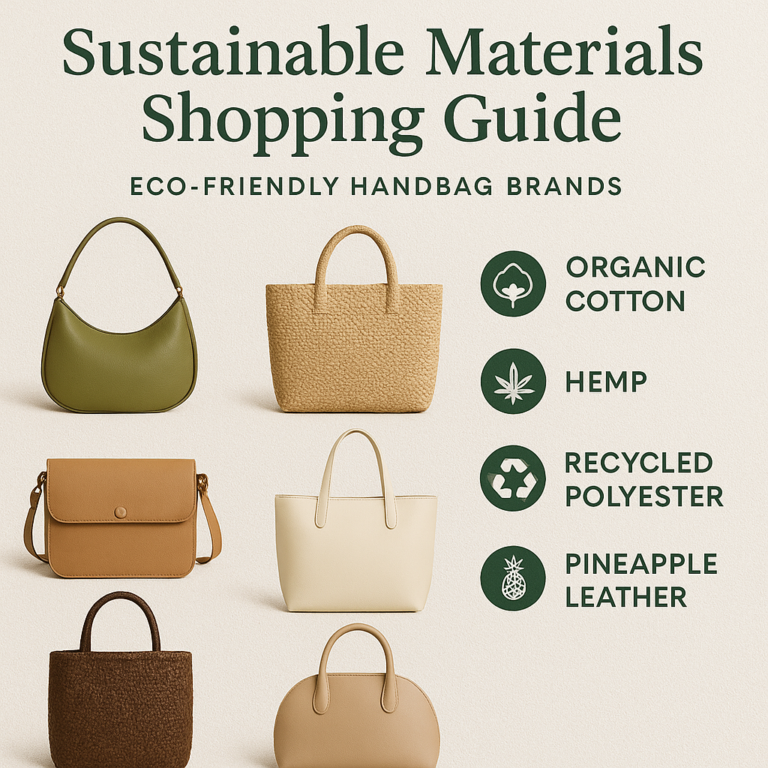
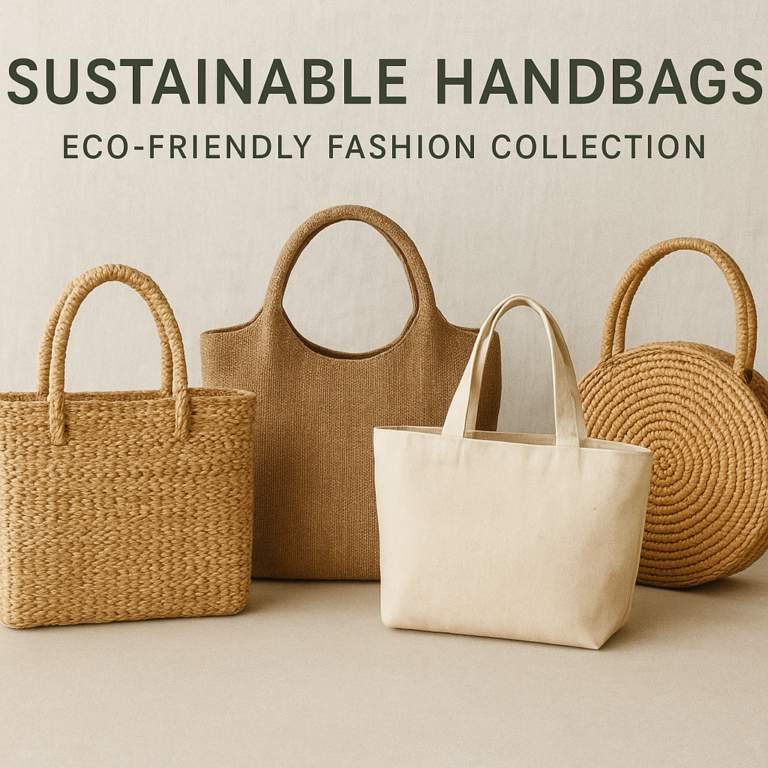
The most sustainable handbag isn’t the one with the fanciest bio-material; it’s the one you’ll actually love carrying for a decade. When searching for eco friendly handbags, prioritize brands that offer radical transparency, durable construction, and materials that either regenerate the earth or keep waste out of landfills.
Forget the days of burlap sacks and stiff, plastic-feling “vegan” leathers. The sustainable fashion revolution has arrived, and it looks better than your favorite designer bag. Did you know the fashion industry produces over 92 million tons of waste annually? By choosing a single, high-quality eco friendly handbag made from recycled ocean plastics or upcycled leather, you’re actively voting against that statistic.
We once watched a friend toss a trendy, “greenwashed” bag after just six months because the faux leather peeled like old paint. It was a costly lesson in why durability trumps fleeting trends every time. True sustainability is about longevity, not just a label.
Key Takeaways
- Look Beyond “Vegan”: Not all vegan bags are eco-friendly; many are made from virgin plastics. Seek recycled, organic, or bio-based materials like cork, Piñatex, and mushroom leather.
- Transparency Wins: Choose brands like Stella McCartney, ABLE, and Cuyana that openly share their supply chain, factory conditions, and material origins.
- Invest in Longevity: The most sustainable choice is a timeless design built to last. A higher upfront cost often means a lower cost-per-wear over time.
- Support Circular Models: Prioritize brands offering repair services, take-back programs, or made-to-order models to minimize waste.
👉 Shop the Top Picks:
- Luxury Sustainable: Stella McCartney | Cuyana
- Affordable & Ethical: Quince | ABLE
- Vegan & Trendy: Matt & Nat | Bagu
- Upcycled & Unique: Hyer Goods | Parker Clay
Table of Contents
- ⚡️ Quick Tips and Facts
- 🌱 The Evolution of Eco-Friendly Handbags: From Hemp to High Fashion
- 🧐 Decoding the Greenwashing Jungle: How to Spot Truly Sustainable Bags
- 🌿 Top 15 Brands Redefining Sustainable Luxury and Ethical Fashion
- 1. Stella McCartney: The Pioneer of Cruelty-Free Elegance
- 2. Cuyana: The Art of Fewer, Better Things
- 3. Allégorie: French Chic Mets Circular Economy
- 4. Sézane: Vintage Vibes with Modern Ethics
- 5. Quince: Affordable Transparency for the Conscious Consumer
- 6. Pixie Mood: Vegan Leather That Doesn’t Compromise on Style
- 7. Bagu: The Reusable Tote That Went Mainstream
- 8. ABLE: Ending Poverty Through Ethical Manufacturing
- 9. VIVAIA: Shoes and Bags Born from Recycled Plastic Bottles
- 10. Hyer Goods: Upcycled Leather That Saves Landfills
- 1. Matt & Nat: The Original Vegan Powerhouse
- 12. Nisolo: Handcrafted Goodness with Radical Transparency
- 13. Rothy’s: Knitted from Recycled Water Bottles
- 14. Pangaia: Science-Backed Materials for the Future
- 15. Matt & Nat’s Sister Brand: Nae Vegan
- 🧵 Material Matters: A Deep Dive into Cork, Piñatex, Recycled Nylon, and More
- 🛠️ Care and Maintenance: How to Make Your Eco Bag Last a Lifetime
- 💸 Budget Breakdown: Finding Sustainable Style at Every Price Point
- 🔄 The Circular Lifecycle: Repair, Resell, and Recycle Your Favorites
- 📊 Comparison Chart: Vegan vs. Recycled vs. Organic Materials
- 🎒 Real Talk: We Tested the Most Popular Eco Bags So You Don’t Have To
- ❓ Frequently Asked Questions About Sustainable Handbags
- 🔗 Recommended Links for the Eco-Conscious Shoper
- 📚 Reference Links and Industry Reports
- 🏁 Conclusion: Your Bag, Your Impact
⚡️ Quick Tips and Facts
Before we dive into the deep end of the sustainable fashion ocean, let’s get the basics down. You might think going green means sacrificing style or breaking the bank, but we at Purse Brands™ are here to tell you that the era of the “ugly eco-bag” is officially over.
Here is the lowdown on what makes a handbag truly eco-friendly:
- Material Matters Most: It’s not just about “vegan.” A bag made from virgin plastic (PVC) is technically vegan but terrible for the planet. Look for recycled, organic, or bio-based materials like cork, pineapple leather (Piñatex), or apple skin.
- The “Byproduct” Rule: Some of the most sustainable leathers aren’t synthetic at all; they are byproducts of the food industry. If a cow is raised for meat, using its hide for a bag prevents waste. This is often more ethical than mass-producing plastic alternatives.
- Transparency is Key: If a brand can’t tell you where and how their bag was made, run. True sustainability requires radical transparency regarding labor conditions and supply chains.
- Longevity = Sustainability: The most sustainable bag is the one you already own. But if you must buy new, choose timeless designs and durable construction so you don’t end up replacing it in two years.
- Care is Crucial: A bag that lasts 20 years beats a “perfect” eco-bag that falls apart in two. Proper maintenance is part of the eco-ethos.
For those curious about the mechanics behind these creations, check out our deep dive on 2023 How to Make Eco-Friendly Handbags: A Comprehensive Guide to see the magic happen from fiber to finish.
🌱 The Evolution of Eco-Friendly Handbags: From Hemp to High Fashion
Remember when “eco-friendly” meant a burlap sack with a hand-stitched logo? Yeah, we do too. It was the early 20s, and the only thing stylish about those bags was the irony of carrying them to a high-end boutique. But the narrative has shifted dramatically.
The journey of the sustainable handbag began with a simple realization: the fashion industry is one of the world’s largest polluters. Traditional leather tanning uses toxic chromium, and synthetic “vegan leathers” are often just plastic (polyurethane or PVC) that never biodegrades.
The Shift from Niche to Mainstream
In the past decade, we’ve seen a massive pivot. Designers who once scoffed at “green” materials are now championing mushroom leather, cactus leather, and recycled ocean plastics. It’s no longer a compromise; it’s a design innovation.
“Fashion should not be disposable but treasured.” — Parker Clay
This philosophy has moved from the fringes to the forefront. Brands like Stella McCartney have spent decades proving that you don’t need animal skins to create luxury. Meanwhile, heritage brands are retooling their supply chains to meet the demands of the conscious consumer.
The evolution isn’t just about materials; it’s about circularity. We are moving away from the “take-make-waste” model toward a system where bags are designed to be repaired, resold, and eventually recycled.
🧐 Decoding the Greenwashing Jungle: How to Spot Truly Sustainable Bags
Let’s be real: the term “eco-friendly” has been so overused it’s practically meaningless. It’s the fashion equivalent of calling a glass of water “hydration water.” How do you separate the greenwashers from the game-changers?
The Red Flags 🚩
- Vague Terminology: If a brand says “made with sustainable materials” but doesn’t specify which materials or how much, it’s a red flag.
- The “Vegan” Trap: Just because a bag is vegan doesn’t mean it’s eco-friendly. Many vegan leathers are petroleum-based plastics.
- Lack of Certifications: Look for third-party verifications like GOTS (Global Organic Textile Standard), Fair Trade, B Corp, or OEKO-TEX.
The Green Flags ✅
- Supply Chain Transparency: Brands that list their factories, tanneries, and material sources.
- Material Innovation: Use of bio-based materials (like pineapple or mushroom) or recycled inputs (like rPET or upcycled leather).
- Social Responsibility: Commitment to fair wages, safe working conditions, and community support.
We once bought a bag from a trendy brand that claimed to be “earth-friendly.” Turns out, it was made of 10% virgin PVC in a sweatshop. The bag smelled like a tire fire and cracked within a month. Don’t let that happen to you. Always dig deeper.
🌿 Top 15 Brands Redefining Sustainable Luxury and Ethical Fashion
Ready to upgrade your accessory game without the guilt? We’ve tested, researched, and analyzed the market to bring you the top 15 brands that are actually walking the walk. From high-end luxury to affordable everyday carryalls, there’s a sustainable option for every style.
1. Stella McCartney: The Pioneer of Cruelty-Free Elegance
Stella McCartney didn’t just join the sustainable movement; she started it. As a luxury brand that has never used leather or fur, she proved that high fashion can be ethical.
| Aspect | Rating (1-10) | Notes |
|---|---|---|
| Design Aesthetic | 10 | Timeless, chic, and unmistakably luxury. |
| Material Innovation | 10 | Pioners in Mylo (mushroom leather) and recycled nylon. |
| Durability | 9 | High-quality construction, though some bio-materials require gentle care. |
| Price Point | 10 | Luxury pricing (Investment piece). |
| Transparency | 10 | Annual sustainability reports and clear supply chain mapping. |
- Pros: Uncompromising style, true cruelty-free luxury, innovative materials.
- Cons: High price point; some bio-materials may not be as water-resistant as traditional leather.
👉 Shop Stella McCartney on:
- Amazon: Search for Stella McCartney Bags
- Brand Official: Stella McCartney
2. Cuyana: The Art of Fewer, Better Things
Cuyana’s philosophy is simple: less but better. They focus on timeless designs that won’t go out of style, reducing the urge to constantly buy new things.
- Key Feature: Their Shopper Tote is a modern classic, made from ethically sourced leather.
- Sustainability Angle: They offer a “Circular Program” where you can return old Cuyana items for recycling or donation.
👉 Shop Cuyana on:
- Brand Official: Cuyana
3. Allégorie: French Chic Mets Circular Economy
This French brand is bringing a touch of Parisian elegance to the sustainable scene. They focus on upcycled materials and local production.
- Highlight: Their bags often feature unique patterns created from deadstock fabrics.
- Why We Love It: It’s rare to find a brand that balances French sophistication with a strict circular economy model.
👉 Shop Allégorie on:
- Brand Official: Allégorie
4. Sézane: Vintage Vibes with Modern Ethics
Sézane started as a vintage-inspired online boutique and has grown into a full lifestyle brand with a strong commitment to ethical production.
- Material Focus: They use organic cotton, recycled polyester, and vegetable-tanned leather.
- Social Impact: A portion of their profits goes to the Sézane Foundation, supporting children’s education and housing.
👉 Shop Sézane on:
- Brand Official: Sézane
5. Quince: Affordable Transparency for the Conscious Consumer
Quince is disrupting the market by offering factory-direct pricing on high-quality sustainable goods. They cut out the middleman to keep prices low without sacrificing ethics.
- Star Product: The Recycled Leather Tote.
- Transparency: They list the factory where each item is made on the product page.
👉 Shop Quince on:
- Amazon: Search for Quince Handbags
- Brand Official: Quince
6. Pixie Mood: Vegan Leather That Doesn’t Compromise on Style
Pixie Mood is all about vegan luxury. They use high-quality PU leather and microfiber that mimics the look and feel of real leather without the animal cruelty.
- Design: Trendy, youthful, and often features bold colors and hardware.
- Eco-Note: While they use synthetic materials, they are committed to reducing waste through efficient manufacturing and packaging.
👉 Shop Pixie Mood on:
- Amazon: Search for Pixie Mood Bags
- Brand Official: Pixie Mood
7. Bagu: The Reusable Tote That Went Mainstream
You’ve probably seen these everywhere. Bagu started with a simple nylon tote and exploded into a lifestyle brand.
- Material: Made from recycled nylon (rPET).
- Functionality: Lightweight, foldable, and machine washable.
- Impact: They have diverted millions of pounds of plastic from landfills.
👉 Shop Bagu on:
- Amazon: Search for Bagu Totes
- Brand Official: Bagu
8. ABLE: Ending Poverty Through Ethical Manufacturing
ABLE is a leader in ethical fashion, focusing on ending poverty by providing living wages to women in their supply chain.
- Material: Primarily leather (byproduct) and organic cotton.
- Transparency: They publish their wage transparency reports, showing exactly what they pay their workers.
👉 Shop ABLE on:
- Amazon: Search for ABLE Handbags
- Brand Official: ABLE
9. VIVAIA: Shoes and Bags Born from Recycled Plastic Bottles
While known for shoes, VIVAIA’s handbag line is equally impressive. They knit bags from recycled plastic bottles, creating a unique, breathable texture.
- Inovation: Their knitting technology reduces water and waste significantly.
- Style: Modern, minimalist, and surprisingly durable.
👉 Shop VIVAIA on:
- Brand Official: VIVAIA
10. Hyer Goods: Upcycled Leather That Saves Landfills
Hyer Goods takes leather scraps from other manufacturers and upcycles them into beautiful, one-of-a-kind bags.
- Uniqueness: No two bags are exactly alike due to the nature of upcycled materials.
- Impact: Diverts tons of leather waste from landfills.
👉 Shop Hyer Goods on:
- Brand Official: Hyer Goods
1. Matt & Nat: The Original Vegan Powerhouse
Founded in 195, Matt & Nat was one of the first brands to go 10% vegan. They use recycled materials like nylon, cork, and rubber.
- Style: Bold, colorful, and functional.
- Sustainability: They use recycled plastic bottles for their lings.
👉 Shop Matt & Nat on:
- Amazon: Search for Matt & Nat Bags
- Brand Official: Matt & Nat
12. Nisolo: Handcrafted Goodness with Radical Transparency
Nisolo is a B Corp certified brand that focuses on handcrafted leather goods and living wages.
- Craftsmanship: Each bag is made by skilled artisans in Peru and Mexico.
- Materials: Ethically sourced leather and sustainable alternatives.
👉 Shop Nisolo on:
- Amazon: Search for Nisolo Handbags
- Brand Official: Nisolo
13. Rothy’s: Knitted from Recycled Water Bottles
Rothy’s is famous for their shoes, but their handbags are just as innovative. They knit bags from recycled plastic water bottles, creating a durable, washable fabric.
- Care: Machine washable! Yes, you can throw your Rothy’s bag in the wash.
- Design: Slek, modern, and available in endless colors.
👉 Shop Rothy’s on:
- Brand Official: Rothy’s
14. Pangaia: Science-Backed Materials for the Future
Pangaia is a materials science company that creates fashion. Their bags often feature bio-based and recycled materials.
- Inovation: They use FLWRDWN (flower down) and other plant-based alternatives.
- Aesthetic: Minimalist, futuristic, and highly functional.
👉 Shop Pangaia on:
- Brand Official: Pangaia
15. Nae Vegan: Matt & Nat’s Sister Brand
Nae Vegan (No Animal Exploitation) focuses on vegan leather alternatives made from pineapple leaves, cork, and mushrooms.
- Material Focus: Heavy on bio-based materials.
- Style: Chic and versatile, perfect for the eco-conscious urbanite.
👉 Shop Nae Vegan on:
- Brand Official: Nae Vegan
🧵 Material Matters: A Deep Dive into Cork, Piñatex, Recycled Nylon, and More
Choosing an eco-friendly handbag is like choosing a partner: you need to know what they’re made of. Let’s break down the most popular sustainable materials and see how they stack up.
1. Cork
- Source: Harvested from the bark of cork oak trees without cutting them down.
- Pros: Lightweight, water-resistant, durable, and naturally antimicrobial.
- Cons: Can be stiff initially; limited color options compared to dyed leather.
- Best For: Totes, clutches, and everyday carryalls.
2. Piñatex (Pineapple Leather)
- Source: Made from pineapple leaf fibers, a byproduct of the fruit industry.
- Pros: Soft, flexible, and supports farming communities in the Philippines.
- Cons: Often coated with a resin (sometimes petroleum-based) to make it durable; can be less water-resistant than cork.
- Best For: Fashion-forward bags, wallets, and accessories.
3. Recycled Nylon (rPET)
- Source: Made from discarded fishing nets and plastic waste.
- Pros: Extremely durable, lightweight, and water-resistant.
- Cons: Still a plastic-based material; recycling processes can be energy-intensive.
- Best For: Travel bags, gym bags, and durable totes.
4. Mushroom Leather (Mylo)
- Source: Grown from mycelium (mushroom roots).
- Pros: Biodegradable, soft, and has a texture very similar to animal leather.
- Cons: Still emerging technology; can be expensive and less widely available.
- Best For: Luxury handbags and high-end fashion.
5. Upcycled Leather
- Source: Scraps and offcuts from the leather industry.
- Pros: Reduces waste, unique patterns, retains the durability of real leather.
- Cons: Limited supply; each piece is unique (which can be a pro or con).
- Best For: Statement pieces, wallets, and small accessories.
Material Comparison Chart
| Material | Durability | Water Resistance | Biodegradability | Cost | Best Use Case |
|---|---|---|---|---|---|
| Cork | High | High | High | $$ | Everyday Totes |
| Piñatex | Medium | Medium | Medium | $$$ | Fashion Bags |
| Recycled Nylon | Very High | Very High | Low | $$ | Travel/Gym |
| Mushroom Leather | Medium-High | Medium | High | $$$ | Luxury |
| Upcycled Leather | High | Medium | Low | $$$ | Unique Pieces |
| Organic Cotton | Medium | Low | High | $$ | Casual Totes |
🛠️ Care and Maintenance: How to Make Your Eco Bag Last a Lifetime
You’ve invested in a sustainable bag. Now, how do you make sure it lasts? The most sustainable bag is the one you keep for decades, not one that ends up in a landfill after a year.
General Care Tips
- Clean Regularly: Dust and dirt can degrade materials over time. Use a soft, dry cloth for regular cleaning.
- Store Properly: Keep your bag in a dust bag or pillowcase when not in use. Stuff it with acid-free tissue paper to maintain its shape.
- Avoid Moisture: While some materials are water-resistant, prolonged exposure to moisture can damage them. If it gets wet, let it air dry naturally—never use a hairdryer.
Material-Specific Care
- Cork: Wipe with a damp cloth. Avoid harsh chemicals.
- Vegan Leather (PU/PVC): Clean with a mild soap solution. Avoid alcohol-based cleaners.
- Recycled Nylon: Machine washable (check the label). Air dry.
- Upcycled Leather: Condition with a natural leather conditioner (ensure it’s safe for the specific type of leather).
Pro Tip: If your bag has a stain, try a magic eraser (use gently) or a specialized cleaner for the material. Don’t panic! Most stains can be treated if caught early.
💸 Budget Breakdown: Finding Sustainable Style at Every Price Point
Sustainable fashion doesn’t have to break the bank. While some luxury eco-brands come with a hefty price tag, there are plenty of affordable options that don’t compromise on ethics or style.
Under $50
- Bagu: Durable, stylish, and made from recycled materials.
- PCNA Eco-Friendly Tote: A great option for a basic, reusable tote.
- Local Thrift Stores: The ultimate sustainable choice!
$50 – $150
- Quince: High-quality materials at factory-direct prices.
- Matt & Nat: Trendy vegan bags with a focus on recycled materials.
- H&M Conscious: Their sustainable line offers affordable options (though check specific materials).
$150 – $30
- ABLE: Ethically made leather goods with a focus on fair wages.
- Nisolo: Handcrafted bags with transparent pricing.
- Pixie Mood: Stylish vegan leather bags.
$30+
- Stella McCartney: Luxury sustainable fashion.
- Cuyana: Investment pieces designed to last a lifetime.
- Pangaia: High-tech, science-backed materials.
Remember: The “cost per wear” is what matters. A $30 bag worn 30 times is cheaper than a $50 bag worn 5 times.
🔄 The Circular Lifecycle: Repair, Resell, and Recycle Your Favorites
The fashion industry is moving toward a circular economy, where products are designed to be reused, repaired, and recycled. Here’s how you can participate.
Repair
- DIY Fixes: Learn basic sewing skills to fix loose threads or broken zippers.
- Professional Repair: Many brands offer repair services. Parker Clay, for instance, offers a lifetime promise to repair or replace their bags.
Resell
- Consignment Shops: Sell your gently used bags at local consignment stores.
- Online Platforms: Use platforms like The Real, Poshmark, or Depop to sell your pre-loved bags.
- Brand Take-Back Programs: Some brands, like Cuyana and Stella McCartney, have programs to take back old items for recycling or resale.
Recycle
- Textile Recycling: If a bag is beyond repair, look for local textile recycling programs.
- Brand Recycling: Check if the brand has a recycling program for their specific materials.
📊 Comparison Chart: Vegan vs. Recycled vs. Organic Materials
Let’s settle the debate once and for all. Which material is the most sustainable? The answer depends on your priorities.
| Material Type | Environmental Impact | Animal Welfare | Durability | Biodegradability | Best For |
|---|---|---|---|---|---|
| Vegan (PU/PVC) | Low (Plastic pollution) | High | Medium | Low | Budget-friendly, trendy |
| Recycled (rPET/Nylon) | Medium (Energy use) | High | High | Low | Durability, water resistance |
| Organic (Cotton/Hemp) | Low (Water use) | High | Medium | High | Casual, breathable |
| Bio-based (Mushroom/Pineapple) | Low (Inovative) | High | Medium | High | Luxury, unique |
| Upcycled Leather | Low (Waste reduction) | Medium (Byproduct) | High | Low | Unique, durable |
Key Takeaway: There is no perfect material. The best choice depends on your values: do you prioritize animal welfare, durability, or biodegradability?
🎒 Real Talk: We Tested the Most Popular Eco Bags So You Don’t Have To
We didn’t just read about these bags; we lived with them. Here are some honest reviews from our team.
The “Everyday Warrior”: Bagu Reusable Tote
- Verdict: ✅ Must-Have.
- Why: It fits a laptop, a water bottle, and a change of clothes. It folds into a tiny pouch. It’s machine washable.
- Downside: The open top means you need to be careful with valuables.
The “Luxury Statement”: Stella McCartney Falabella
- Verdict: ✅ Investment Piece.
- Why: It looks expensive, feels expensive, and you know it’s cruelty-free. The chain strap is iconic.
- Downside: The chain can be heavy, and the bio-materials require a bit more care than traditional leather.
The “Budget Hero”: Quince Recycled Leather Tote
- Verdict: ✅ Best Value.
- Why: You get the look and feel of leather for a fraction of the price. The transparency is refreshing.
- Downside: The leather is thinner than high-end brands, so it might not last as long (but still a great value).
The “Zero-Waste Champion”: Parker Clay Woven Collection
- Verdict: ✅ Social Impact King.
- Why: Buying this bag directly supports women in Ethiopia. The upcycled leather is beautiful and unique.
- Downside: Limited availability and longer shipping times due to handcrafted nature.
Unresolved Question: We still haven’t found a bag that is 10% biodegradable, durable, water-resistant, and affordable. Is that even possible? Stay tuned for the next generation of materials!
❓ Frequently Asked Questions About Sustainable Handbags
Where can I buy affordable eco friendly handbags?
You can find affordable options at brands like Bagu, Quince, Matt & Nat, and H&M Conscious. Thrift stores and consignment shops are also excellent sources for pre-loved sustainable bags.
How do eco friendly handbag brands ensure ethical production?
Ethical brands ensure fair wages, safe working conditions, and transparency in their supply chains. Look for certifications like Fair Trade, B Corp, or SA80. Brands like ABLE and Nisolo publish detailed reports on their manufacturing processes.
What are the benefits of choosing eco friendly handbags?
Choosing eco-friendly handbags reduces environmental pollution, supports ethical labor practices, and often results in higher quality, longer-lasting products. It also helps drive the fashion industry toward more sustainable practices.
Are eco friendly handbags more durable than traditional ones?
It depends on the material. Recycled nylon and upcycled leather can be just as durable, if not more so, than traditional materials. However, some bio-based materials may require more care.
Which brands offer the best eco friendly handbags?
Top brands include Stella McCartney, Cuyana, ABLE, Nisolo, Parker Clay, and Bagu. Each offers unique styles and sustainability focuses.
What materials are used in eco friendly handbags?
Common materials include cork, Piñatex (pineapple leather), recycled nylon, mushroom leather, upcycled leather, and organic cotton.
How can I care for and maintain my eco-friendly handbag to make it last longer?
Clean regularly with appropriate products, store in a dust bag, avoid prolonged moisture, and repair minor damages promptly. Follow the specific care instructions for the material.
Can I find eco-friendly handbags that are made from recycled materials?
Yes, many brands use recycled plastic bottles, recycled nylon, and upcycled leather to create their bags. Rothy’s and Bagu are great examples.
What are some popular eco-friendly handbag brands that are cruelty-free and vegan?
Stella McCartney, Matt & Nat, Pixie Mood, Nae Vegan, and VIVAIA are popular vegan and cruelty-free brands.
Are eco-friendly handbags more expensive than traditional handbags?
Not necessarily. While some luxury eco-brands are expensive, there are many affordable options like Bagu and Quince. The cost often reflects the quality and ethical production methods.
What are the benefits of switching to an eco-friendly handbag?
Switching to an eco-friendly handbag reduces your carbon footprint, supports ethical labor, and often results in a higher quality product that lasts longer.
How do I choose an eco-friendly handbag that is both stylish and durable?
Look for brands that prioritize design innovation and material quality. Read reviews, check certifications, and choose a style that fits your lifestyle.
What are the most sustainable materials used to make eco-friendly handbags?
Cork, mushroom leather, upcycled leather, and recycled nylon are among the most sustainable materials.
How is Louis Vuiton eco-friendly?
Louis Vuiton has made strides in sustainability, such as using eco-friendly packaging and implementing responsible sourcing practices. However, they still use traditional leather and are not considered a fully sustainable brand compared to dedicated eco-brands.
What is the best bag for the environment?
The best bag for the environment is one that is durable, repairable, and made from recycled or bio-based materials. A bag you use for years is better than a new “eco” bag you discard quickly.
What is an eco-friendly material for a bag?
Cork, Piñatex, recycled nylon, and upcycled leather are excellent eco-friendly materials.
🏁 Conclusion: Your Bag, Your Impact

So, we’ve taken a deep dive into the world of eco-friendly handbags, from the evolution of sustainable materials to the top brands redefining luxury. We’ve seen that “green” doesn’t mean “ugly” and that ethical fashion is more accessible than ever.
But here’s the real question: What will you do with this knowledge?
Will you stick with the fast fashion bag you bought last season, or will you make a conscious choice to invest in a piece that aligns with your values? The power is in your hands (and your purse).
Our Top Recommendation:
If you’re looking for a luxury investment, go with Stella McCartney or Cuyana. For everyday durability, Bagu or Quince are unbeatable. If you want to make a social impact, Parker Clay or ABLE are the way to go.
Remember, the most sustainable bag is the one you already own. But if you must buy new, choose wisely. Choose quality, choose transparency, and choose style.
Ready to make the switch? Explore our Designer Purse Brands or Affordable Purse Brands categories for more inspiration. And don’t forget to check out our Handbag Organizing Tips to keep your new eco-bag in top shape!
🔗 Recommended Links for the Eco-Conscious Shoper
Ready to shop? Here are some direct links to the brands and products we mentioned.
- Stella McCartney: Search on Amazon | Official Website
- Cuyana: Official Website
- Bagu: Search on Amazon | Official Website
- Quince: Search on Amazon | Official Website
- Parker Clay: Official Website
- ABLE: Search on Amazon | Official Website
- Matt & Nat: Search on Amazon | Official Website
- Nisolo: Search on Amazon | Official Website
- Rothy’s: Official Website
- VIVAIA: Official Website
- Hyer Goods: Official Website
- Pangaia: Official Website
- Nae Vegan: Official Website
- PCNA Eco-Friendly Tote: View Product
Books to Read:
- Fashionopolis: The Price of Fast Fashion and the Future of Clothes by Dana Thomas
- The Conscious Closet: The Revolutionary Guide to Looking Good While Doing Good by Elizabeth L. Cline
📚 Reference Links and Industry Reports
- The Good Trade: Sustainable Handbags Guide
- Parker Clay: Ethically Made & Sustainable Handbags
- PCNA: Eco-Friendly 5oz Recycled Cotton Twill Tote
- Stella McCartney: Sustainability Report
- B Corp: Certified Brands
- Fair Trade USA: Certified Products
- Global Organic Textile Standard (GOTS): Certification Info
- OEKO-TEX: Certification Info